
Top 14 Task Management Apps of 2026
Quick jump to:
Introduction
Choosing the best task management app is essential for anyone looking to streamline workflows, manage time effectively, and get things done without overwhelm. From simple list app solutions to advanced project management software and collaboration tools, the right app can help you prioritize, meet deadlines, reduce clutter, and boost overall productivity.
The market is full of options: Trello-style boards, Todoist and Notion for flexible systems, Monday and Asana for visual workflows, Wrike for automation workflows, and even Basecamp or Everhour for time tracking. Some apps focus on Pomodoro technique, Eisenhower matrix, or applying rule-based prioritization, while others offer mobile-first experience, desktop apps, API integrations, Zapier connectivity, or unlimited free tasks.
Whether you need a minimalist tool to avoid clutter, intuitive shortcuts for beginners, or tailored features for feedback, dependencies, timelines, and filters, this guide compares 14 leading task management apps. We focus on real use cases: personal planning, free task management, iPhone compatibility, productivity tracking, and everything from quick inbox zero to complex project management tools.
We included both free and paid options across different pricing tiers, with emphasis on how each app helps you adjust to your needs, ensure clarity, and feel in control. Our own Ultimate Planner is featured as a strong contender: it balances beautiful customization with practical task features at an affordable price.
No single app fits everyone. Some excel at collaboration tools and Slack integration, others at encryption and security privacy, while many shine in productivity rule application and automation. Read on to discover which task management software will help you prioritize, streamline, and really get things accomplished in 2026.
| Ultimate Planner | GoodNotes | Notability | Notion | TickTick | Todoist | Any.Do | Microsoft To-Do | Google Calendar | Asana | Monday.com | Akiflow | Habitica | Tiimo | |
|---|---|---|---|---|---|---|---|---|---|---|---|---|---|---|
| Overal rating: | ||||||||||||||
| Rating | 4.8 | 4.8 | 4.7 | 4.7 | 4.7 | 4.6 | 4.6 | 4.7 | 4.5 | 4.5 | 4.6 | 4.6 | 4.5 | 4.7 |
| Reviews | 1k+ | 10k+ | 5k+ | 50k+ | 50k+ | 100k+ | 100k+ | 100k+ | 500k+ | 50k+ | 30k+ | 2k+ | 20k+ | 3k+ |
| Main: | ||||||||||||||
| Subtasks / Nested tasks | ||||||||||||||
| Priorities / Labels / Tags | ||||||||||||||
| Recurring tasks | ||||||||||||||
| Reminders / Notifications | ||||||||||||||
| Time blocking / Calendar view | ||||||||||||||
| Progress tracking | ||||||||||||||
| Integrations | ||||||||||||||
| Offline mode | ||||||||||||||
| Collaboration / Sharing | ||||||||||||||
| Platforms: | ||||||||||||||
| Windows | ||||||||||||||
| Android | ||||||||||||||
| Web | ||||||||||||||
| MacOS | ||||||||||||||
| IOS | ||||||||||||||
| Interface: | ||||||||||||||
| Themes switch | ||||||||||||||
| Notification Support | ||||||||||||||
| System Integration | ||||||||||||||
| Support for custom fonts | ||||||||||||||
| Special features: | ||||||||||||||
| Interactive checklists | ||||||||||||||
| Task Managment | ||||||||||||||
| Habit Tracking | ||||||||||||||
| Time Tracking | ||||||||||||||
| Pomodoro, Focus | ||||||||||||||
| Ai Features | + (auto-prioritize) | |||||||||||||
| Attachments into task | ||||||||||||||
| Synchronize & Backup: | ||||||||||||||
| Synchronize with Apple Calendar | ||||||||||||||
| Synchronize with Google Calendar | ||||||||||||||
| Synchronize with Microsoft Calendar | ||||||||||||||
| Auto backup | ||||||||||||||
| Task sharing, delegation |
How We Tested These Task Management Apps
To give you a reliable guide to the best task management app, we spent over 140 hours actively testing 14 leading tools in real-life conditions. We didn’t trust marketing claims or outdated reviews. Every app was used daily on multiple devices to evaluate how well it helps streamline workflows, manage time, prioritize tasks, and get things done without creating extra clutter.
Testing devices included:
- iPad Pro (M4, iPadOS 18)
- iPhone 16 Pro
- Samsung Galaxy Tab S10
- MacBook Air M3
- Windows 11 laptop
- Google Pixel 9 (Android)
We simulated typical personal and small-project scenarios:
- Creating and organizing daily to-do lists
- Setting recurring tasks, deadlines, and reminders
- Applying Eisenhower matrix or priority filters
- Using Pomodoro technique for focus sessions
- Tracking progress and productivity tracking
- Integrating with calendar app, email, Slack, or Zapier
- Working offline or on mobile
- Collaborating or sharing tasks (when available)
- Managing inbox zero and reducing overwhelm
Each app was scored on a 10-point scale across these criteria:
- Speed and intuitive interface for beginners
- Quality of reminders, notifications, and shortcuts
- Strength of subtasks, dependencies, and recurring tasks
- Time blocking, calendar sync, and timelines
- Progress tracking, stats, and feedback mechanisms
- Offline mode reliability
- Cross-device sync and mobile experience
- Free tier value vs pricing tiers
- Unique boosts (AI, gamification, automation workflows)
- Encryption and security privacy features
We also reviewed user comments (App Store, Google Play, Reddit, Product Hunt) and checked changelogs for recent updates. This hands-on process helped identify which task management software really helps you stay organized, adjust to your needs, and feel productive, not just look impressive on screenshots.
Best Task Management Apps by Category & Use Case
Not every task management app suits every workflow. Some are ideal for quick to-do lists and chores, others for project management software with boards, timelines, and dependencies. Here’s how the 14 apps we tested perform across common real-life scenarios — helping you find the best fit without overwhelm.
Best Overall Balance for Personal Use Ultimate Planner combines customizable templates, tasks, habits, calendar integration, and cross-platform sync at an affordable pricing tiers: often the sweet spot for users who want beauty, functionality, and value without complexity.
Best for Simple Daily Tasks & Quick Capture Microsoft To Do and Any.Do excel at fast, clean lists, reminders, and inbox zero. They are handy, free (or low-cost), and require no setup: perfect for everyday chores, shopping, or get started moments.
Best for Habit Building & Long-Term Routines Habitica and TickTick lead. Habitica uses gamification (rewards, quests) to motivate consistency, while TickTick adds Pomodoro technique, streaks, and time management tools: great for applying productivity rule and productivity tracking.
Best for Visual & ADHD-Friendly Planning Tiimo and Routinery shine with icons, timers, picture schedules, and gentle reminders. Tiimo is especially thoughtful for neurodivergent users, while Routinery guides step-by-step routines to reduce overwhelm.
Best for Powerful Customization & All-in-One Systems Notion is unmatched for flexibility. Build custom boards, databases, filters, and workflows. Ideal if you need everything in one place, including task management software with automation workflows.
Best for Project & Workflow Management Asana and Monday.com dominate structured work. Both offer boards, timelines, dependencies, collaboration tools, and Zapier integration. Excellent for freelancers or personal projects that require clarity and progress visibility.
Best for AI-Assisted Prioritization Akiflow brings AI to prioritize tasks, convert email to actions, and suggest time blocking. perfect for reducing decision fatigue and streamline your day automatically.
Best Free & Minimalist Options Google Calendar handles events and basic scheduling, while Google Keep is the fastest for inbox zero and simple lists: both 100% free and minimalist.
Pick based on your main needs: simplicity, habits, visual cues, projects, AI help, or free basics. Most offer trials — test a few to feel the difference.
Ultimate Planner
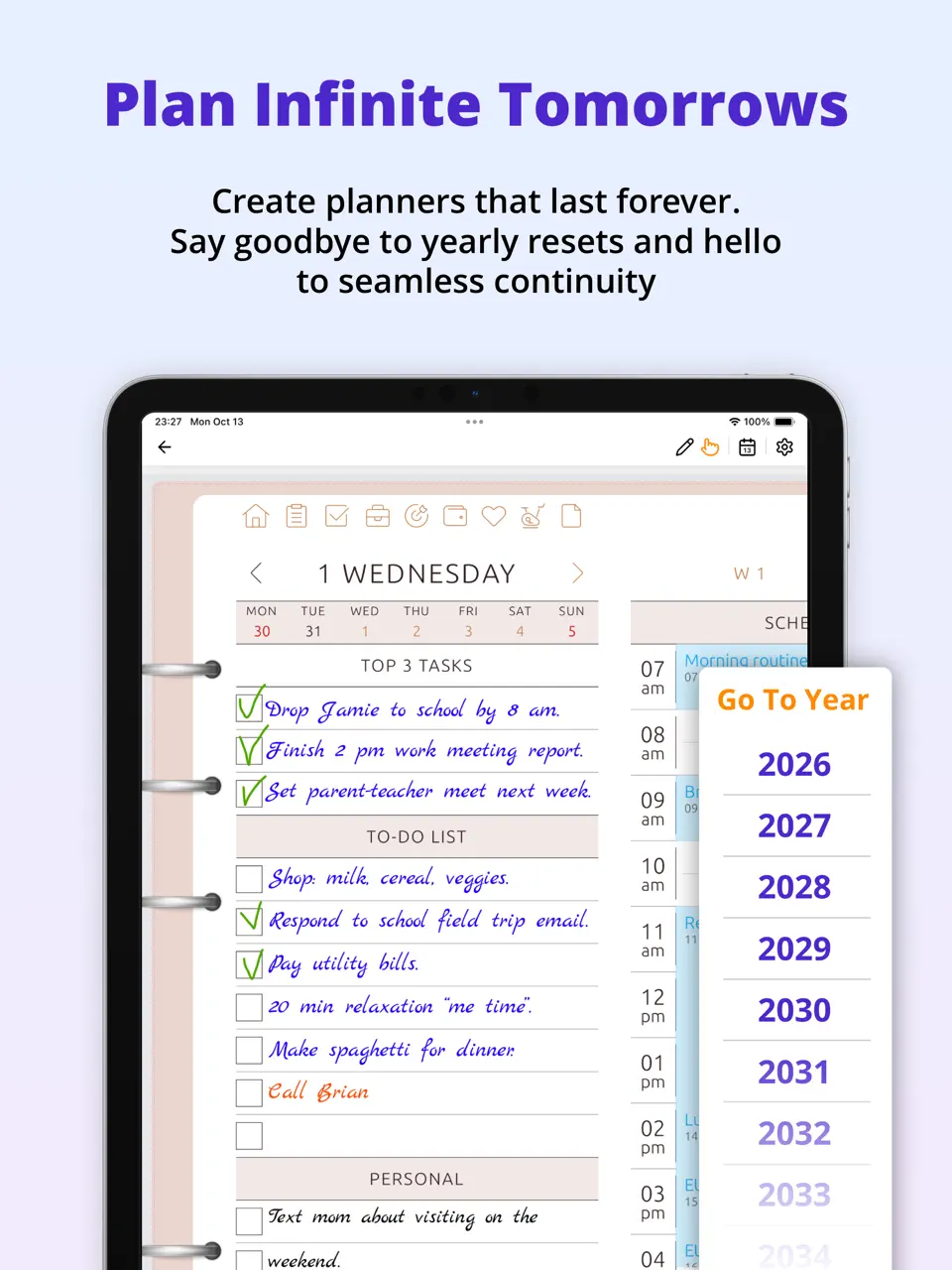
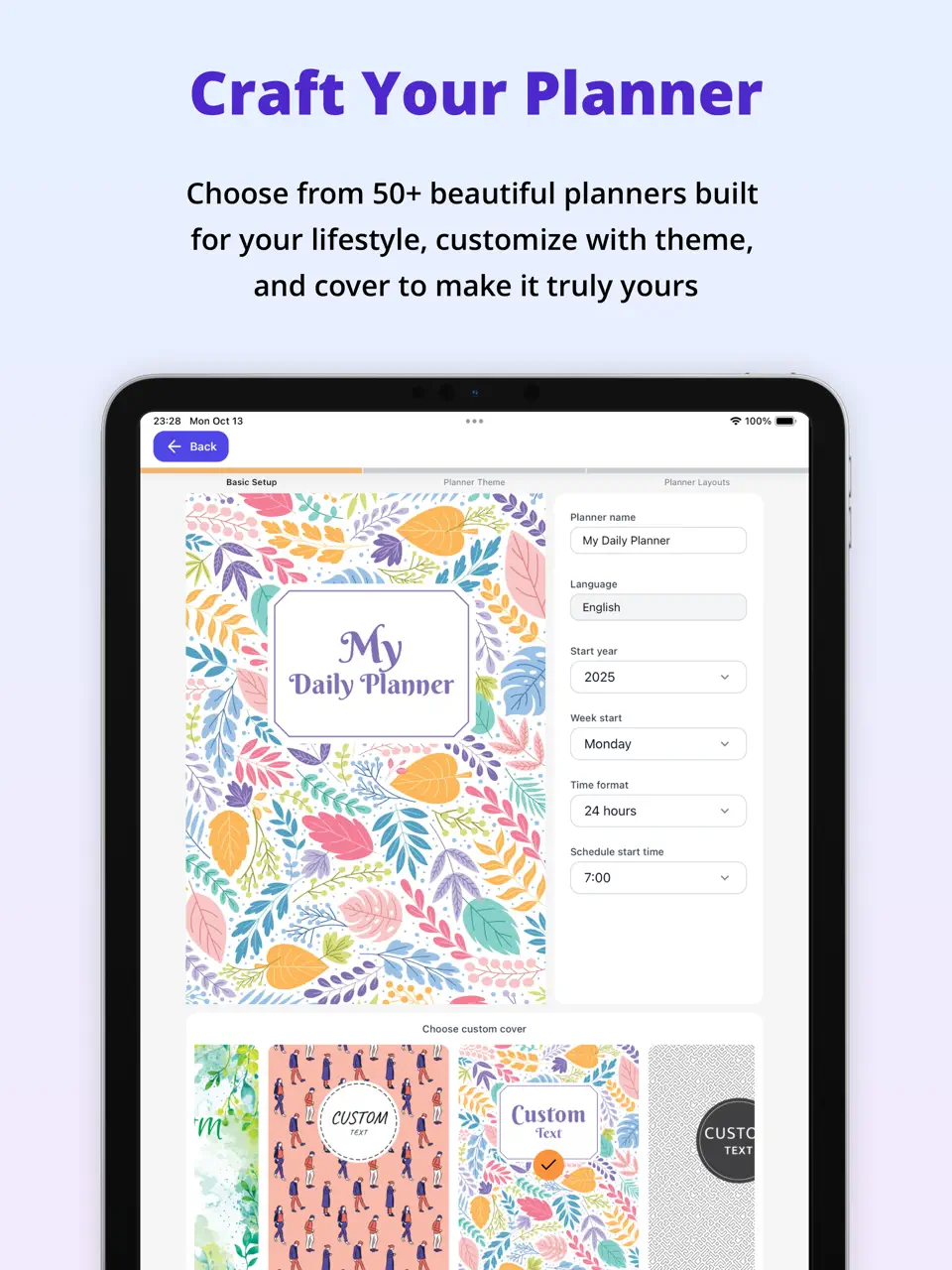
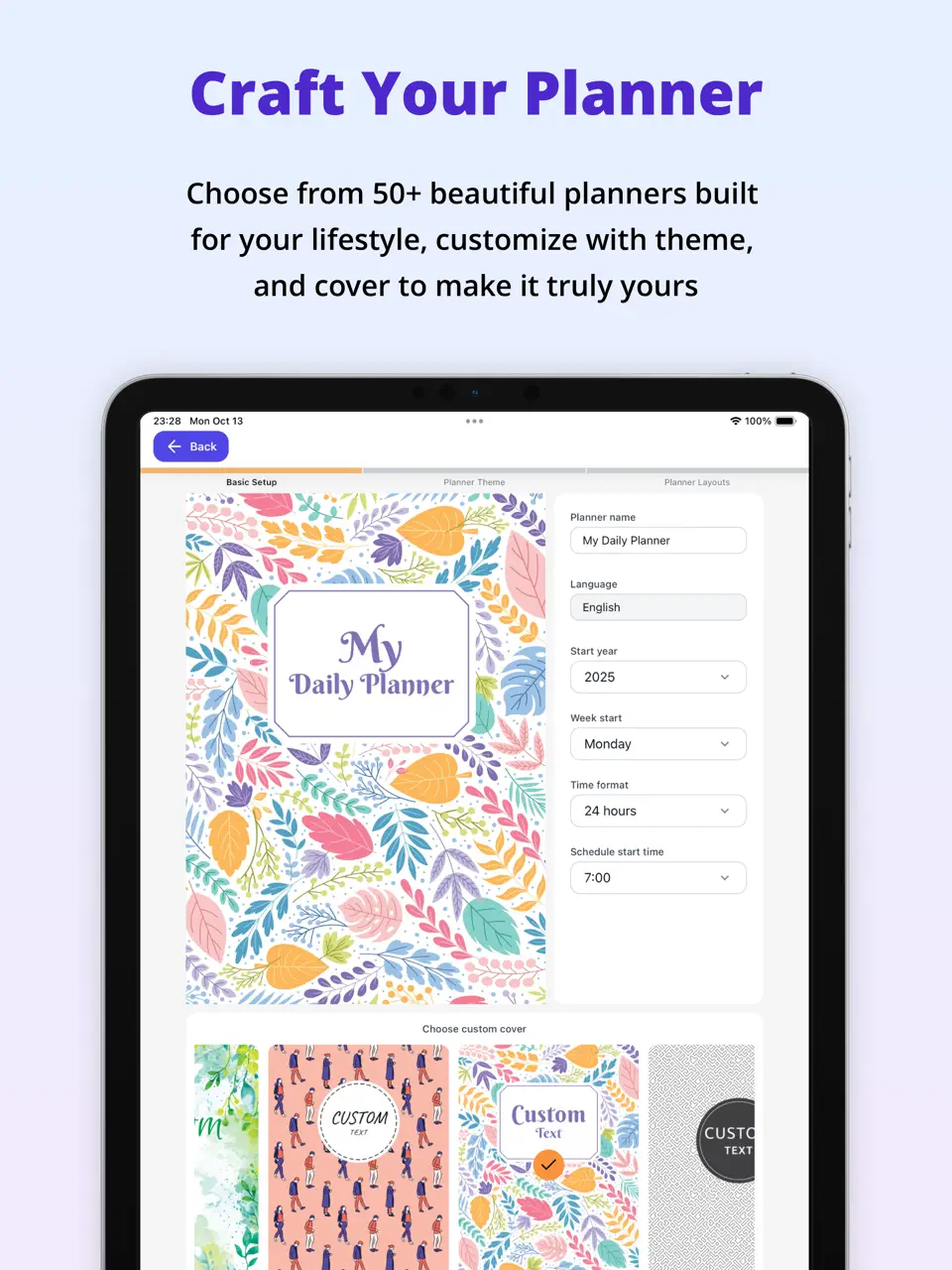
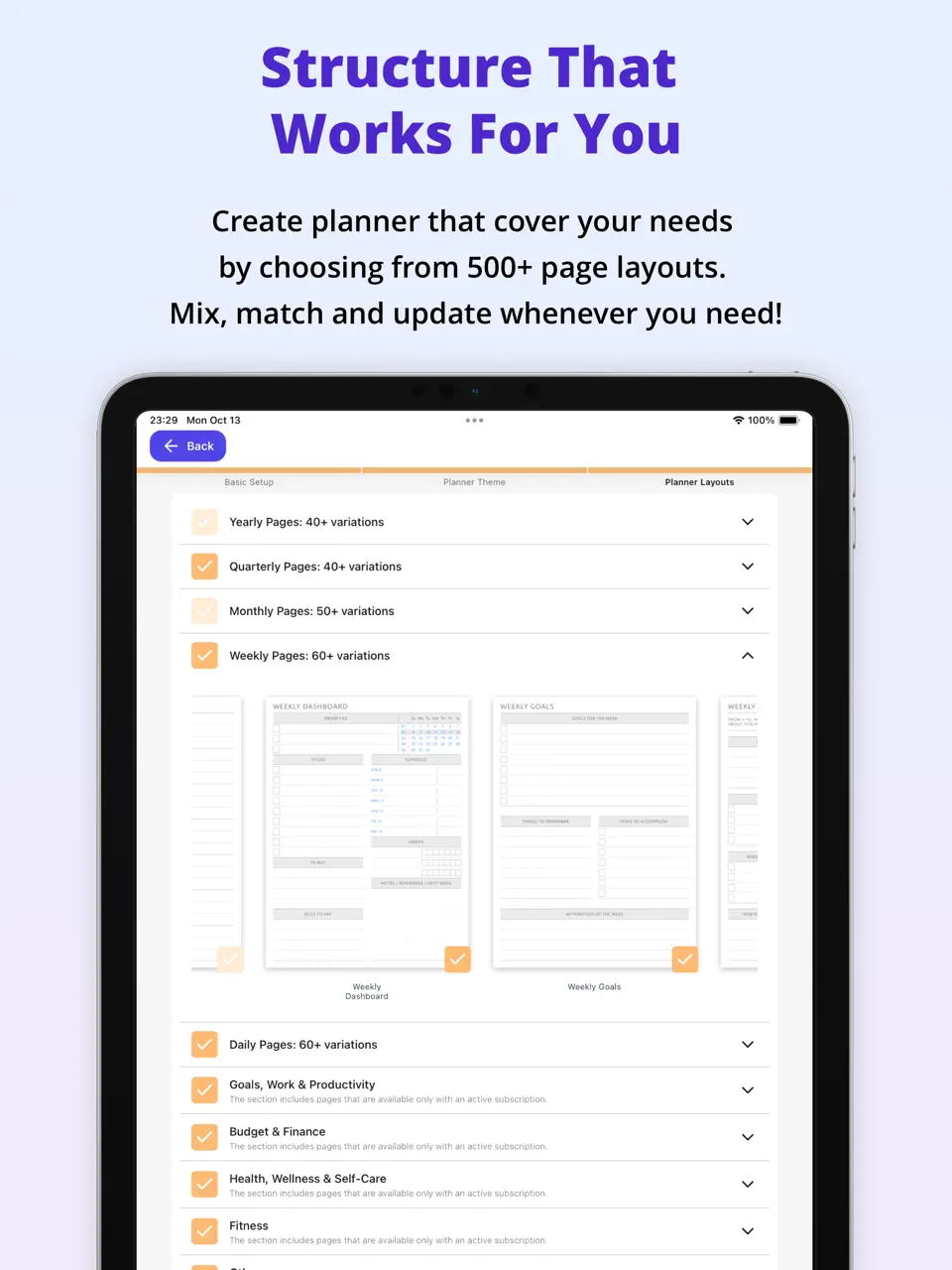

Ultimate Planner is a powerful yet user-friendly task management app that combines beautiful visual planning with practical productivity tools. It offers 40+ ready-made thematic planners (daily, weekly, ADHD-focused, goal-oriented, etc.) with hyperlinks for quick navigation. You can launch a pre-made planner in one click or fully customize it: choose templates, adjust design, colors, fonts, enable/disable sections, integrate calendar sync, and add habits or checklists.
The app supports stickers, Apple Pencil handwriting, progress tracking across iOS, Android, web, Mac, and Windows. Its freemium model gives access to core features for free, with premium unlocking unlimited customization for $39.99 per 2 years. Ideal for users who want a flexible, aesthetically pleasing task manager that feels like a digital bullet journal but with real productivity power.
- 40+ ready-made planners with hyperlinks
- Deep customization (templates, design, sections)
- Built-in calendar sync + habit tracking
- Cross-platform (mobile + desktop)
- Affordable long-term pricing
- No advanced AI automation
- Limited collaboration features
- Attachments and delegation not fully developed
Product details
| Type of app | Best for | Platforms | Developer | Pricing Model |
|---|---|---|---|---|
| Digital Task & Planner | Custom templates with tasks & habits | Multi (Web/iOS/Android/Mac/Win) | Evopaper. LLC | Freemium ($39.99 per 2 years for premium) |
GoodNotes
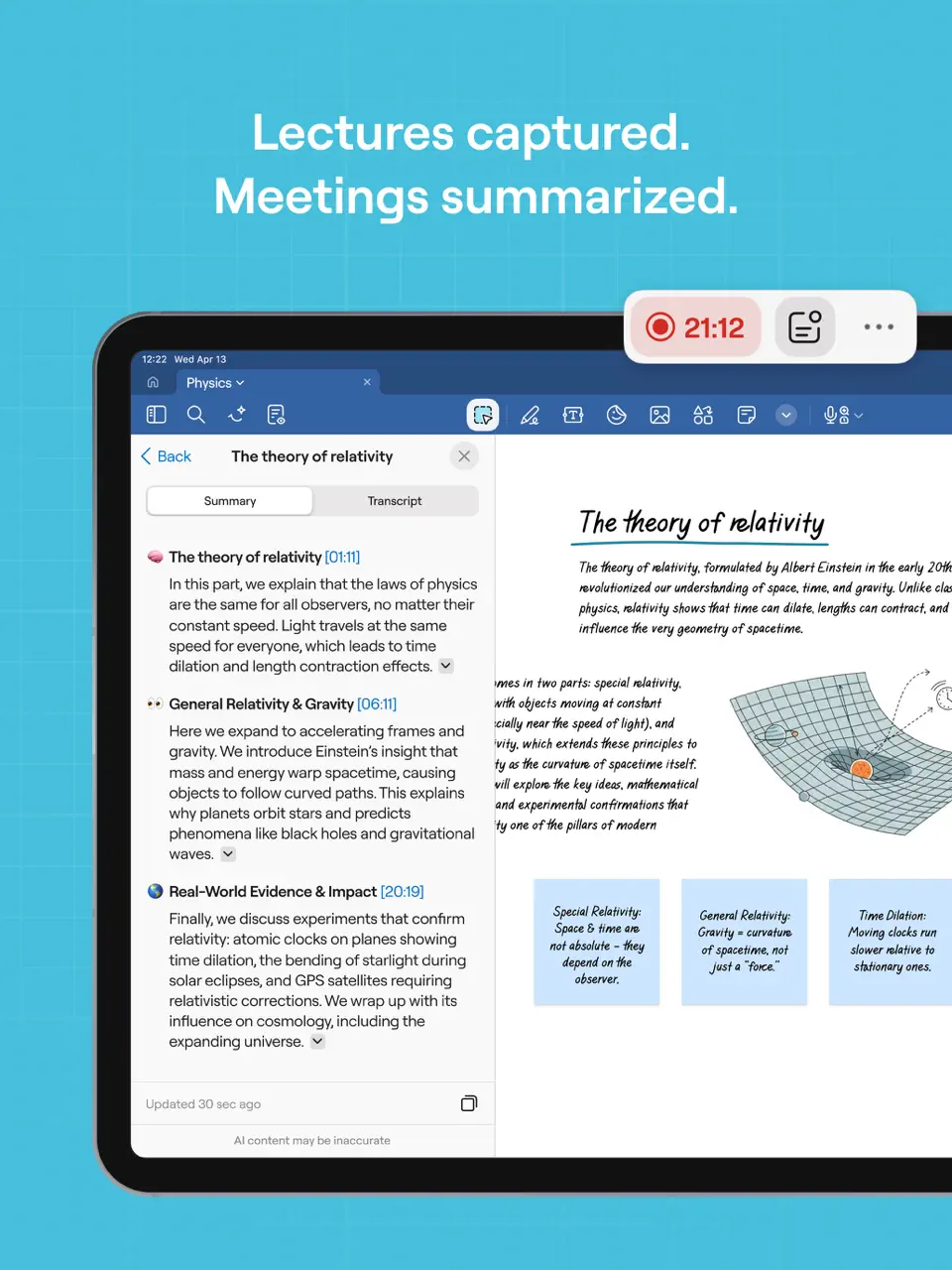
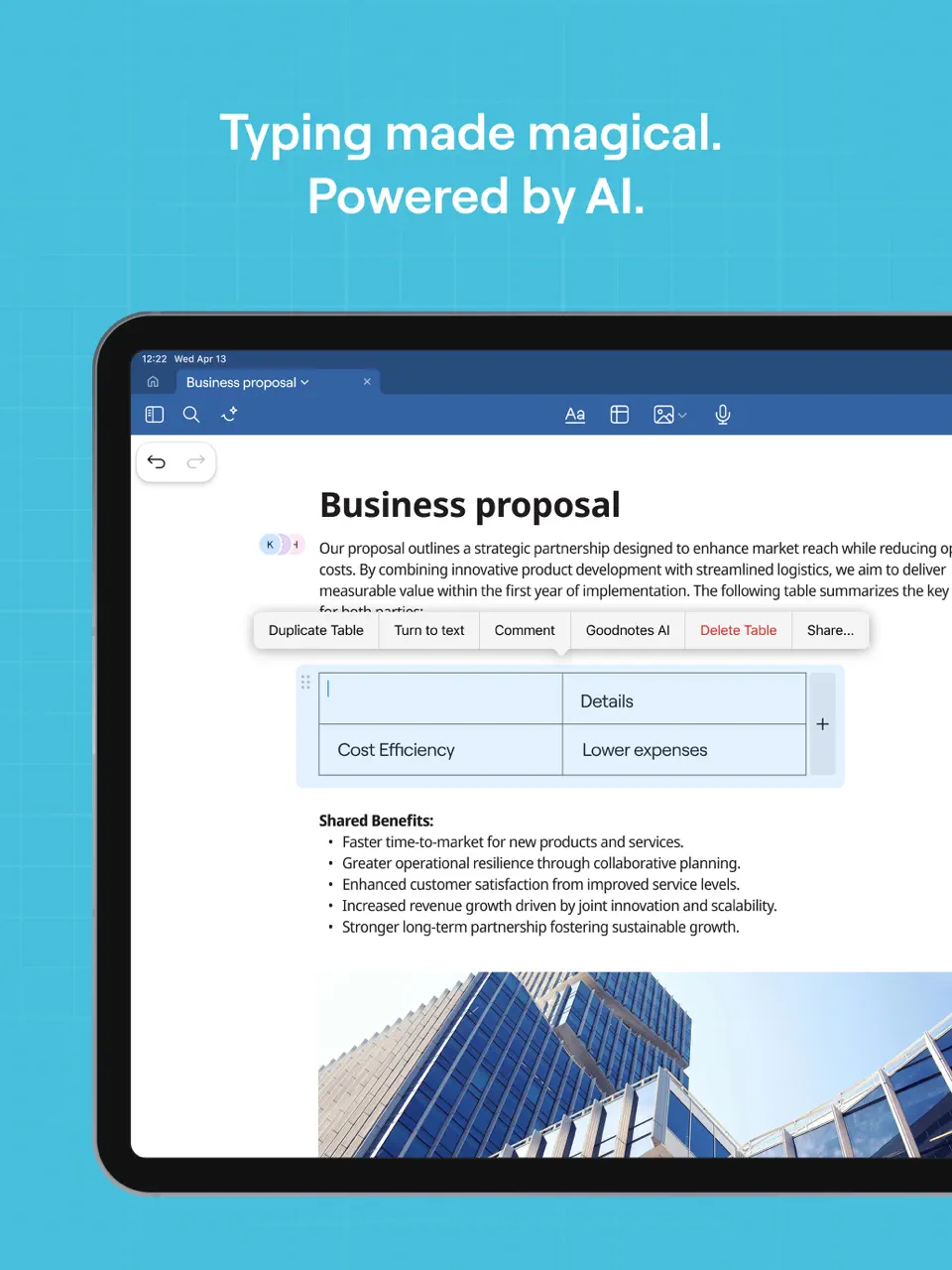
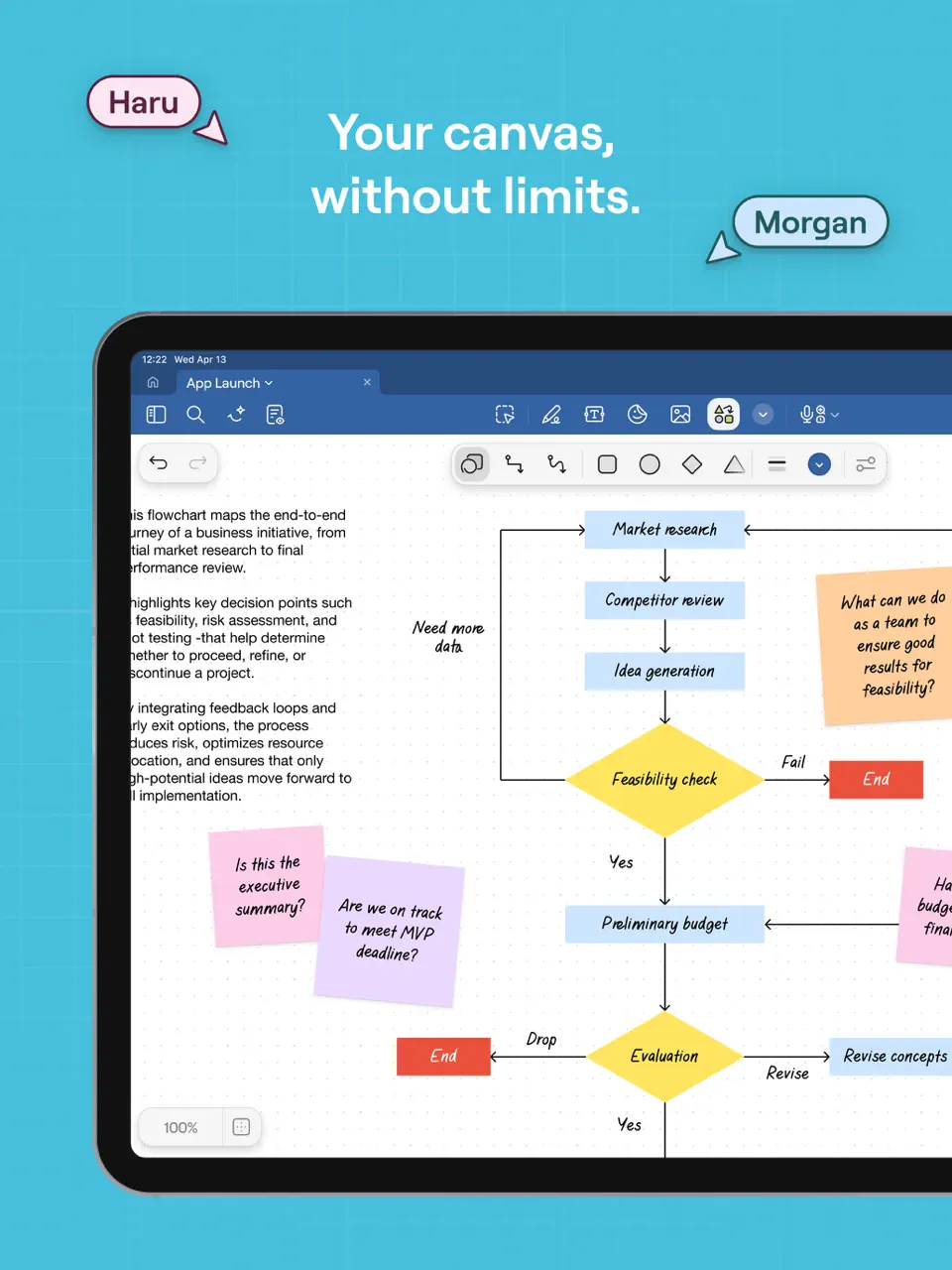
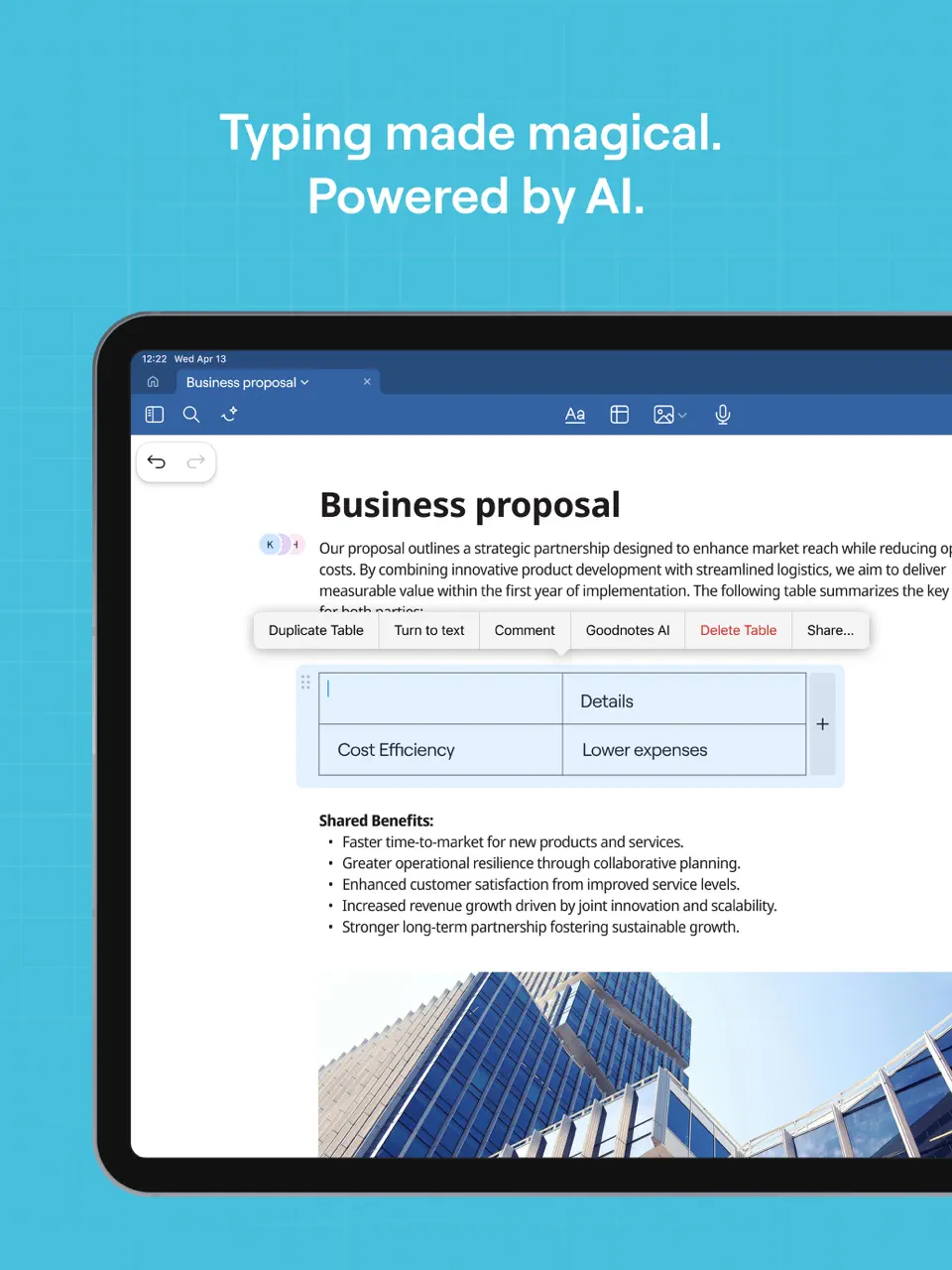
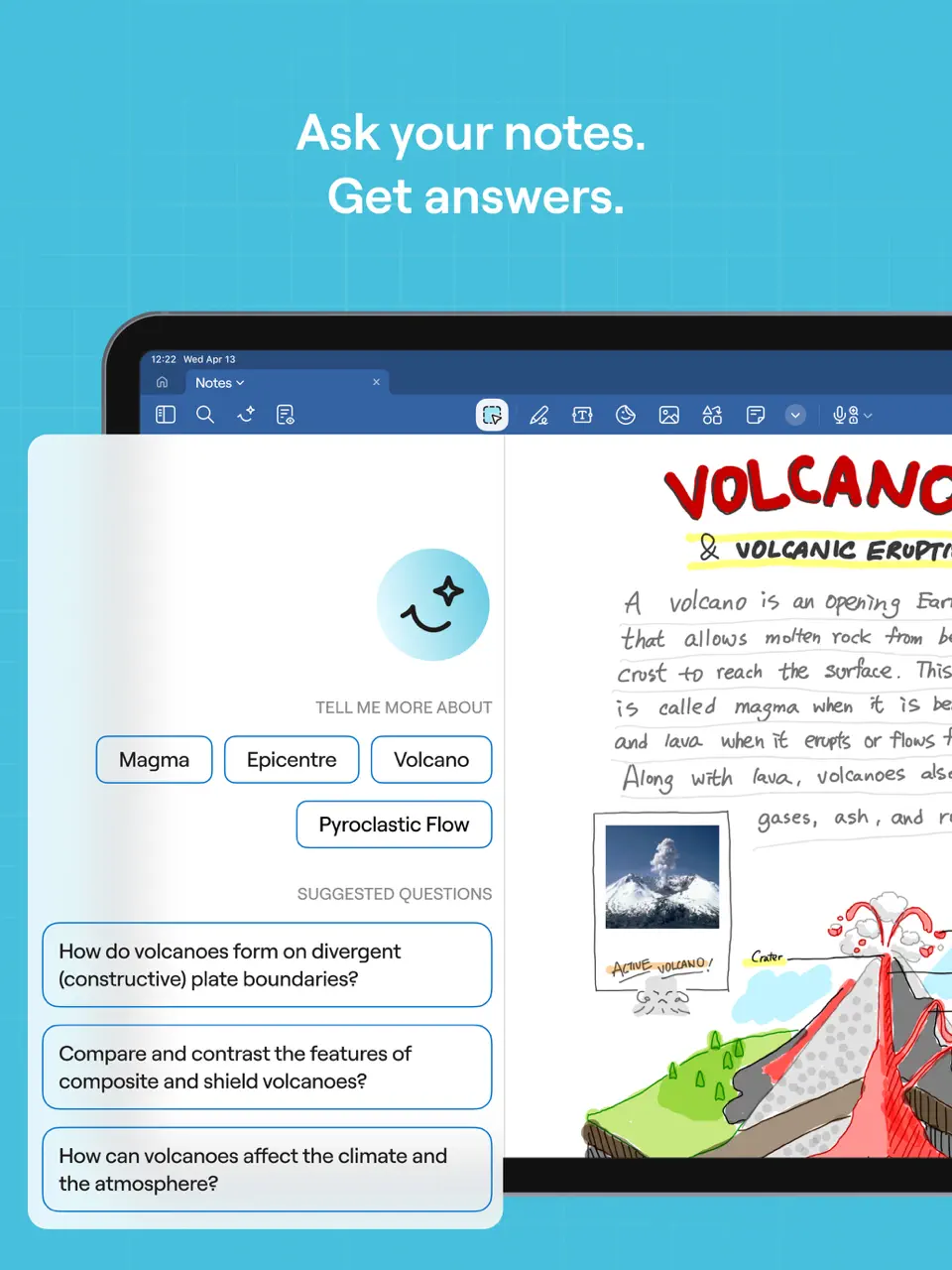
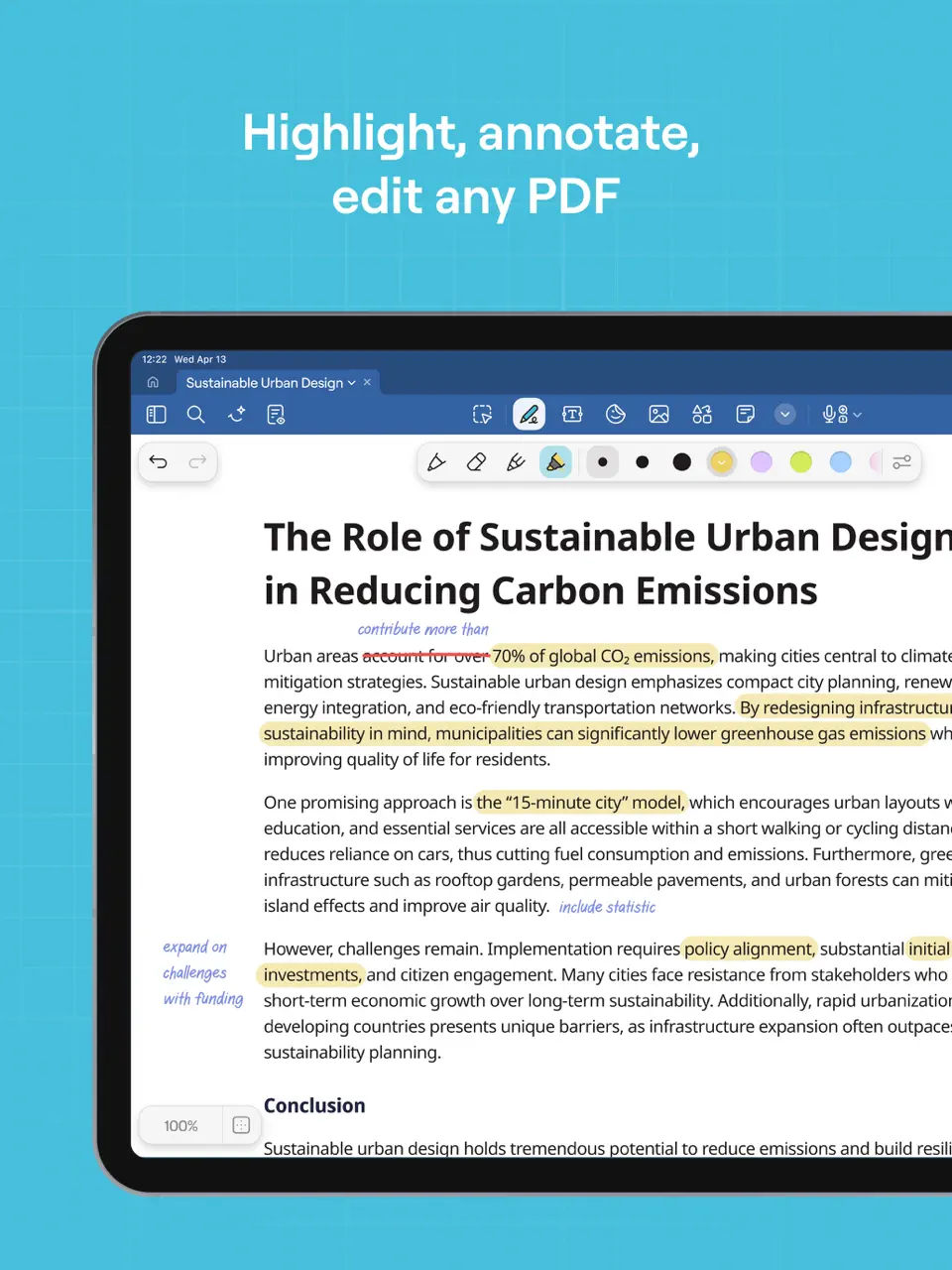
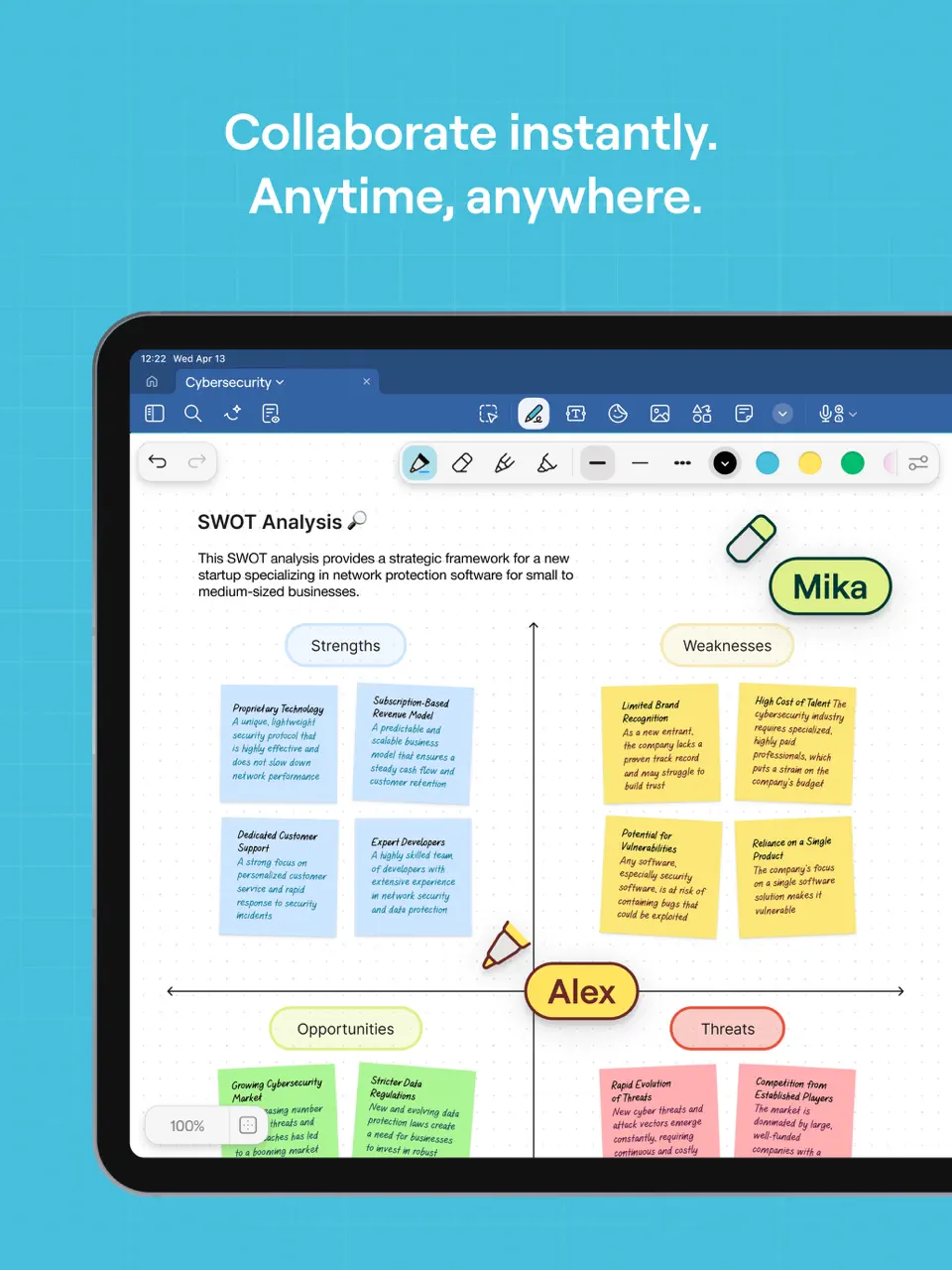
GoodNotes is primarily a premium note-taking app, but many users adapt it for task management through handwritten checklists, PDF planners, and templates. It delivers one of the smoothest Apple Pencil experiences with pressure sensitivity, layers, hover preview, and excellent PDF annotation. You can import task templates, mark them up, organize into notebooks, and search handwritten text.
Recent updates added Math Assist and community-shared planners. While it lacks native reminders, recurring tasks, or calendar integration, it remains popular for visual task planning among students and creatives who prefer handwriting over typing. The free version is limited (3 notebooks), so most upgrade via one-time purchase. GoodNotes suits those who treat task management as part of a larger handwritten workflow.
- Industry-leading handwriting & stylus support
- Powerful PDF annotation and organization
- Large template community marketplace
- Searchable handwritten notes
- Stable and polished on iPad
- No native reminders or recurring tasks
- No built-in calendar or habit tracking
- Paid upgrade required for serious use
Product details
| Type of app | Best for | Platforms | Developer | Pricing Model |
|---|---|---|---|---|
| Note-taking & Handwriting | PDF & handwritten notes | iOS/macOS/Android/Windows | GoodNotes Limited | Freemium (~$10–30 one-time) |
Notability
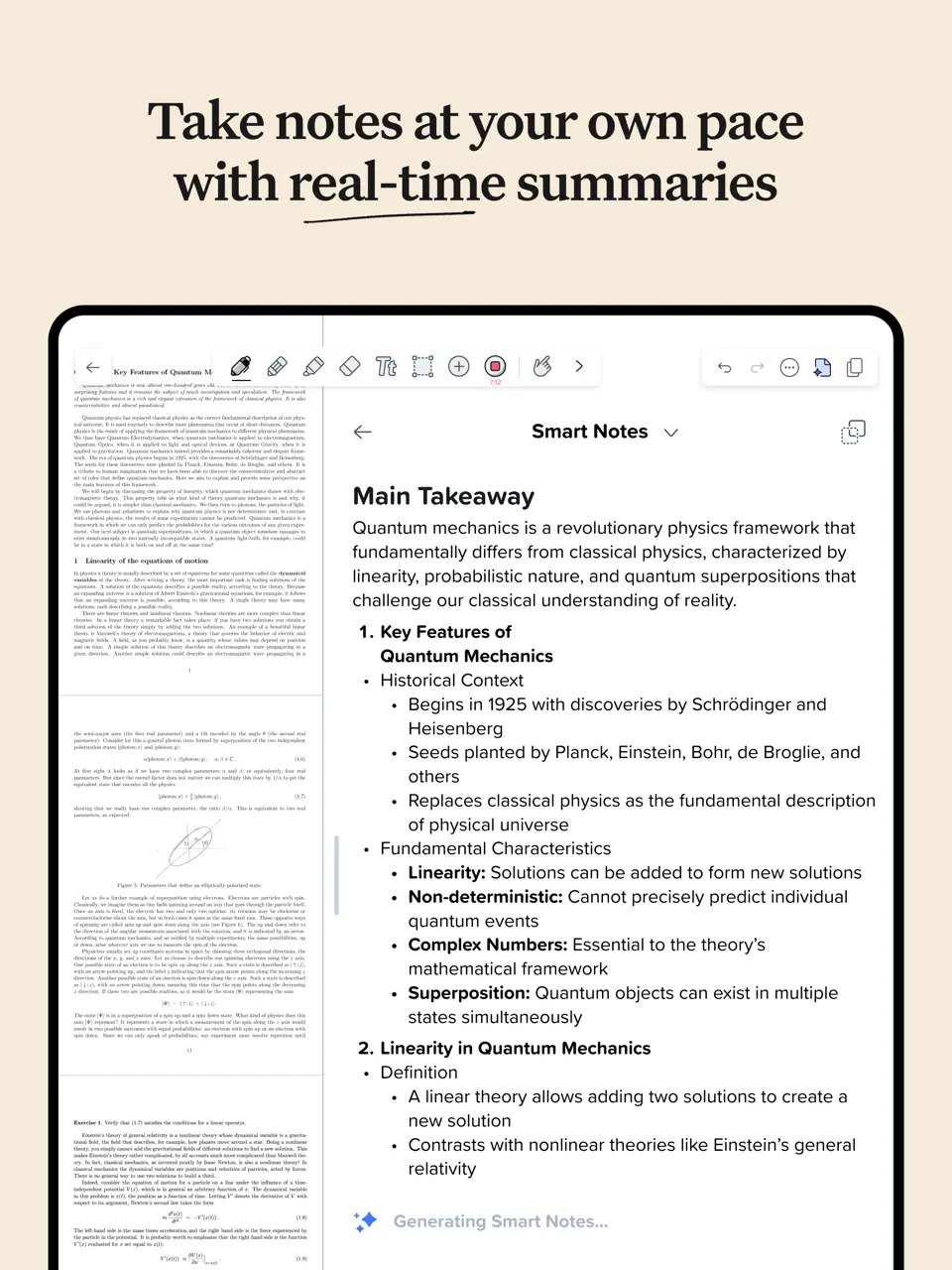
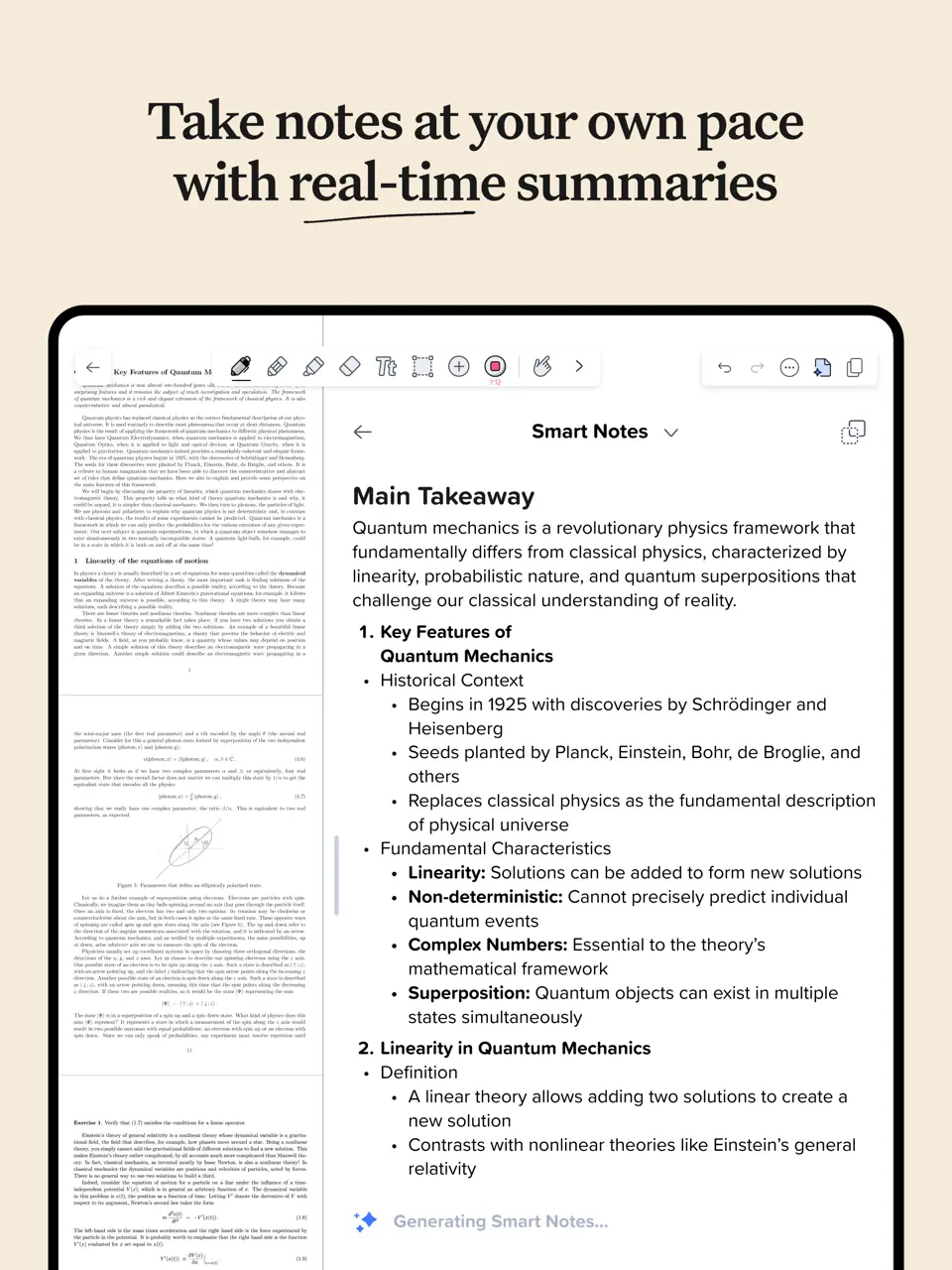
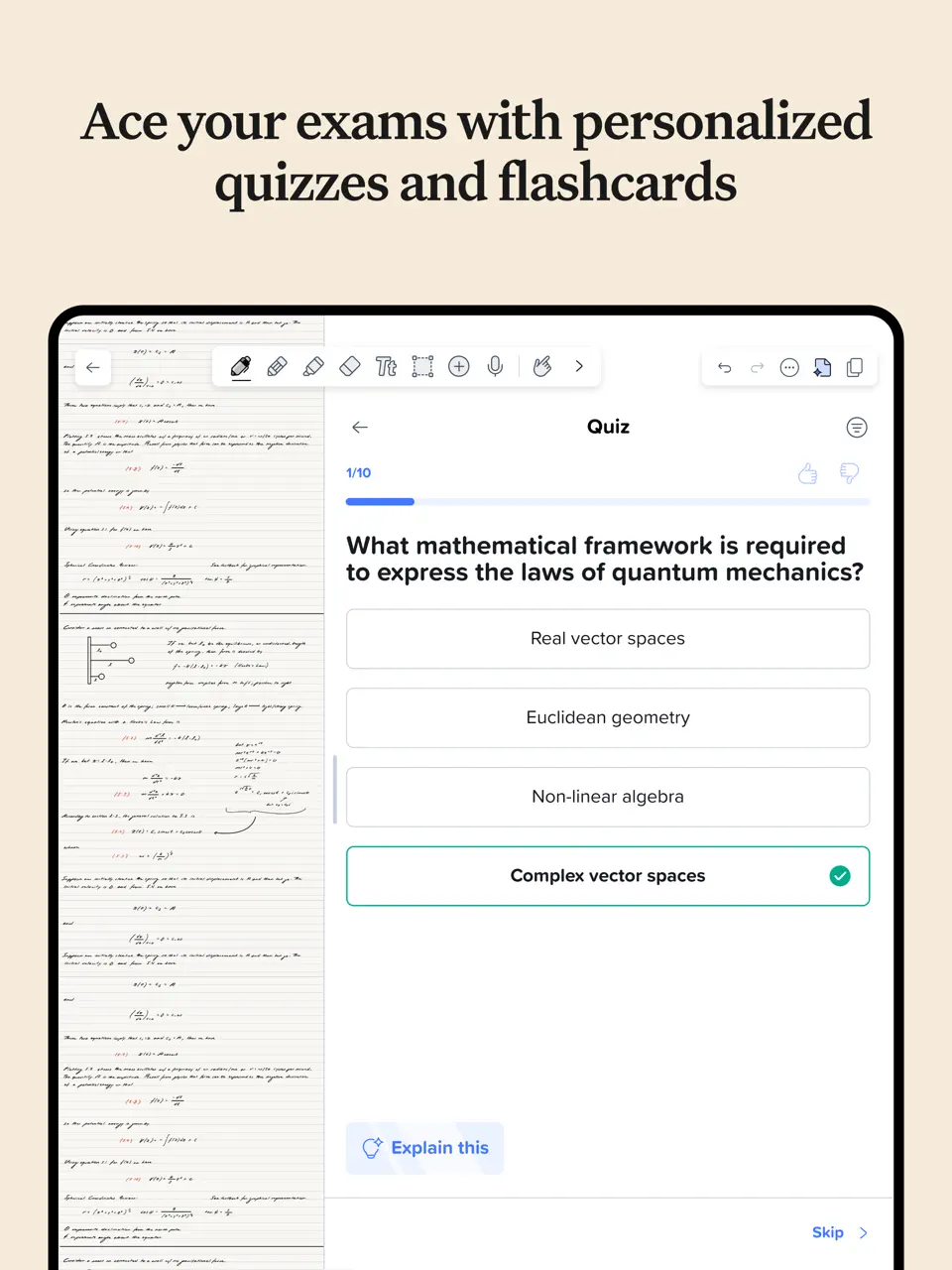
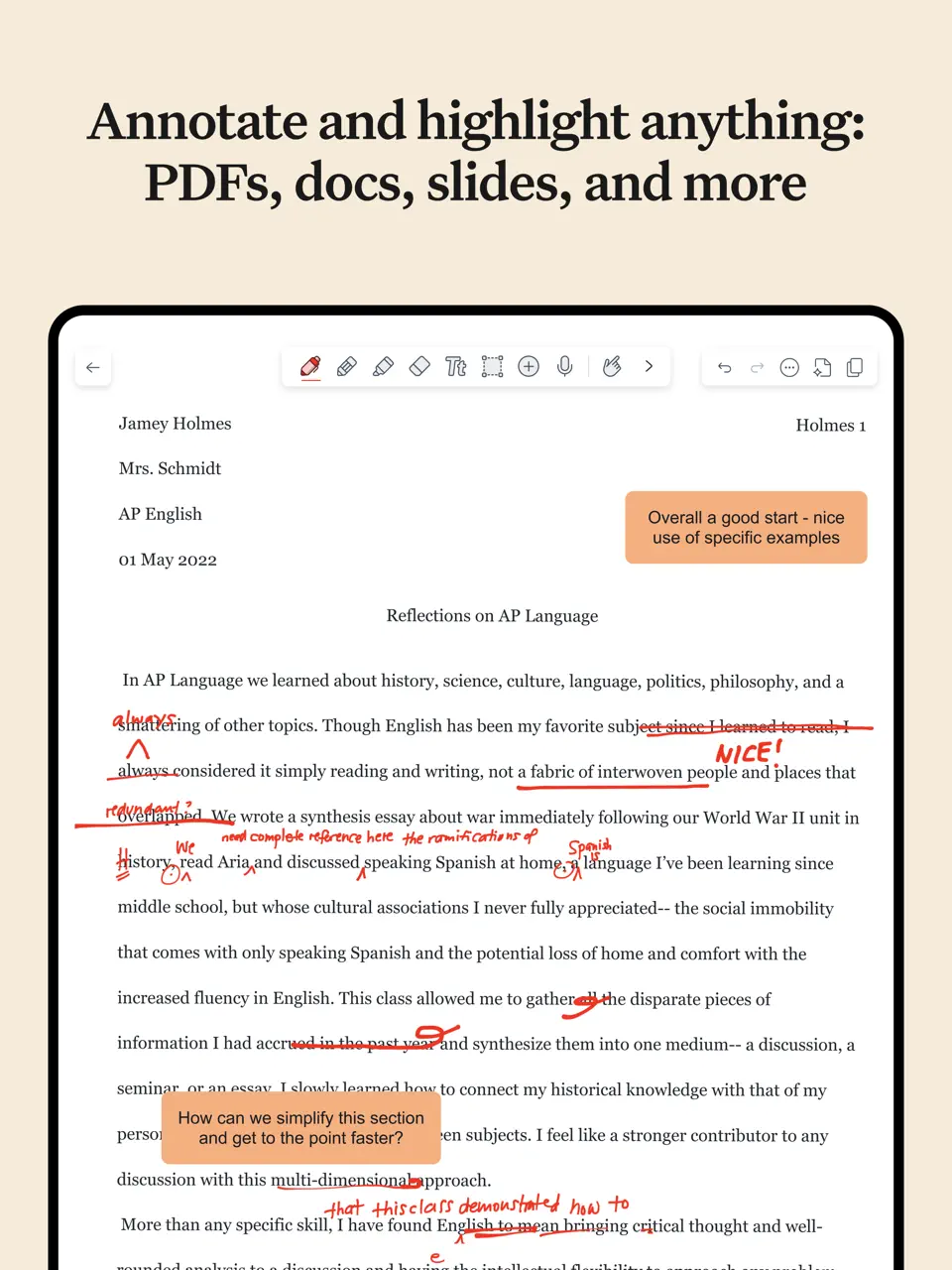
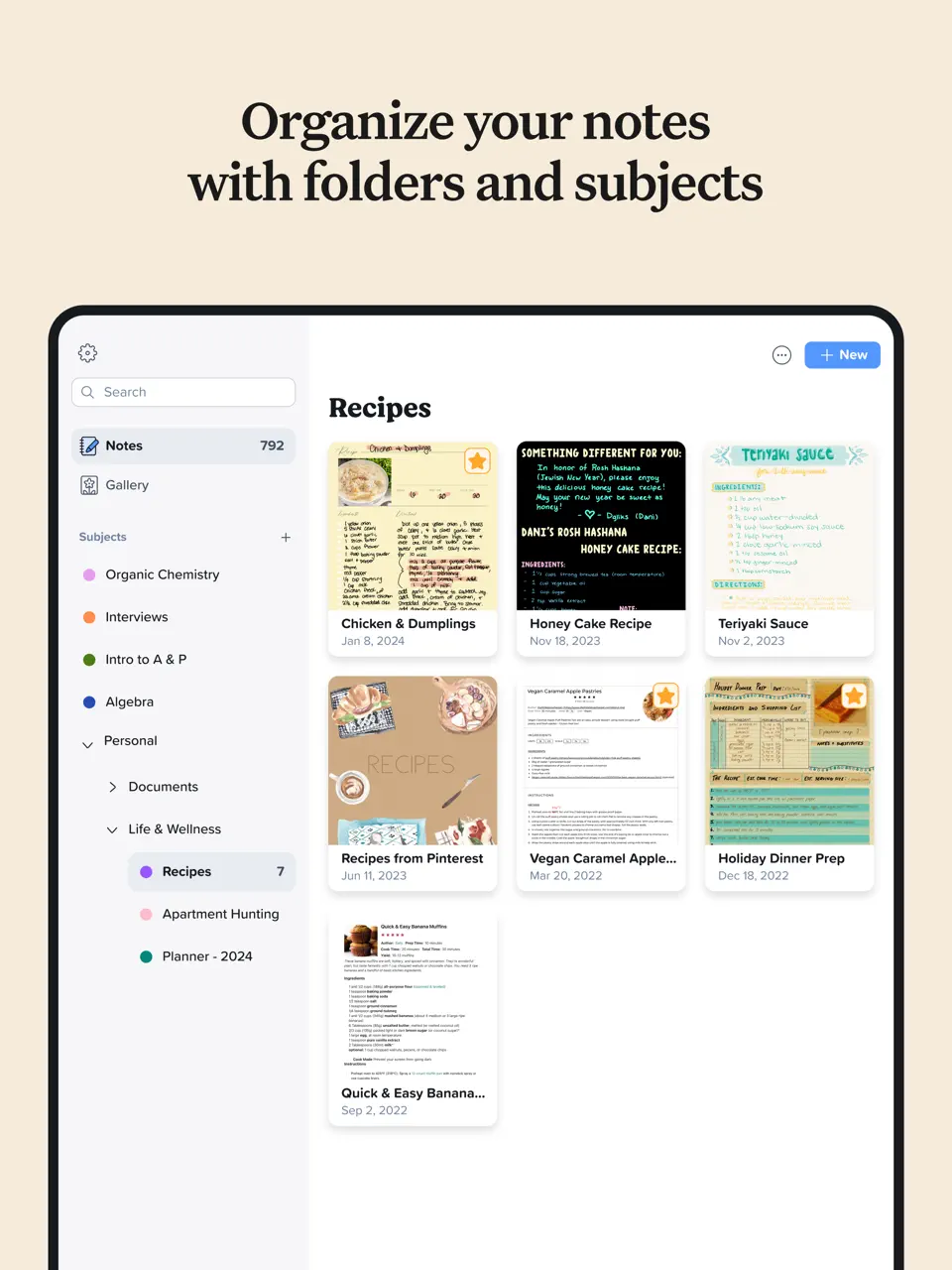
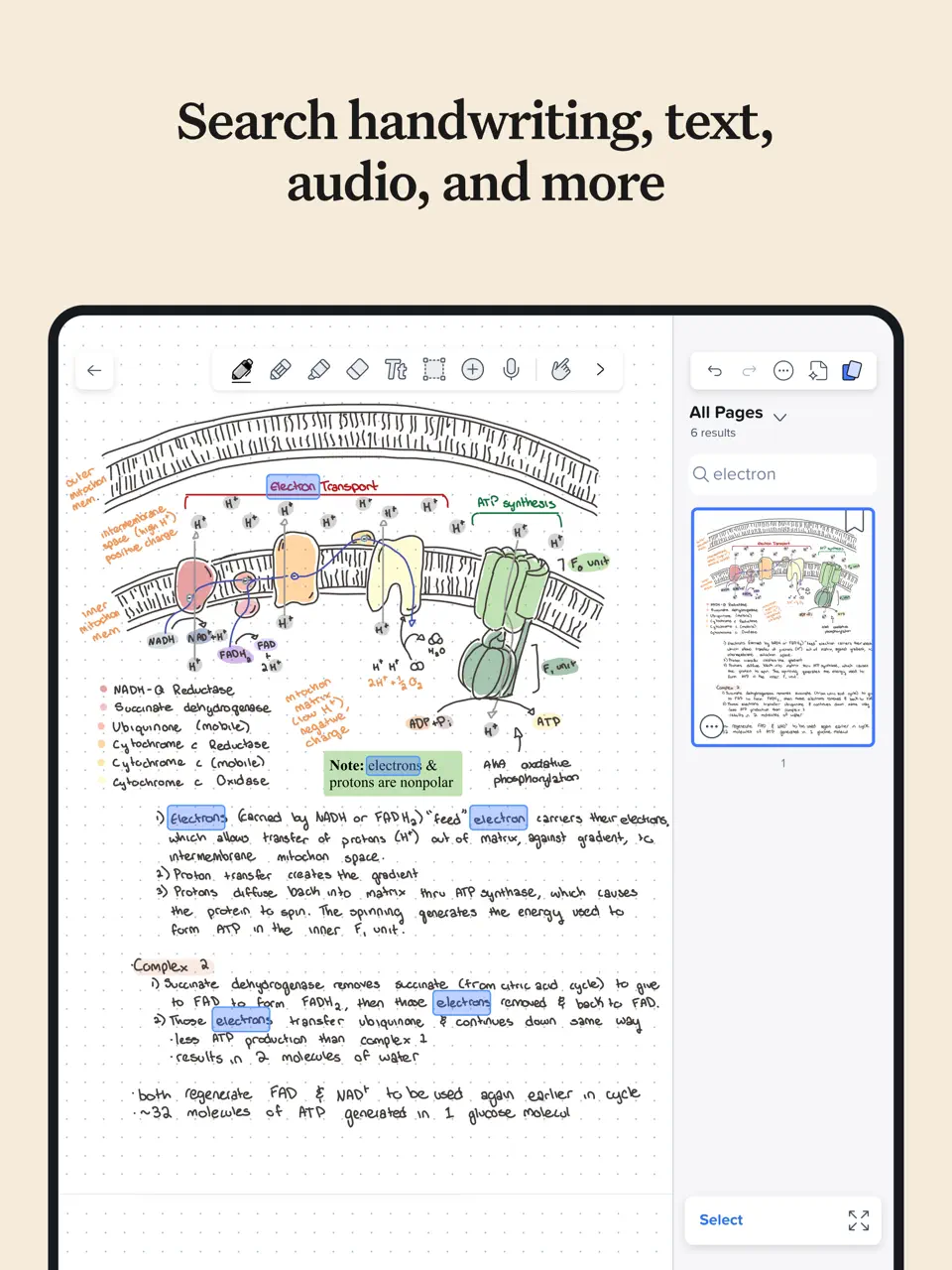
Notability combines fluid handwriting with unique audio recording sync: a standout feature for task and meeting notes. You write tasks or checklists while recording, then tap any note to hear exactly what was said at that moment. It supports infinite pages, subject folders, customizable paper, and strong PDF markup.
Optimized for iPad and macOS with excellent Apple Pencil performance. The app is great for capturing action items during calls or lectures, though it lacks native reminders, calendar views, or habit tracking. Free trial is generous, but full access requires subscription. Notability is ideal for users who blend task management with audio context, especially students, journalists, or professionals in meetings.
- Unique audio-to-handwriting sync
- Smooth handwriting and highlighter tools
- Infinite scrolling pages
- Great for academic or meeting notes
- Presentation mode
- No calendar or habit features
- Apple ecosystem only
- Subscription model
Product details
| Type of app | Best for | Platforms | Developer | Pricing Model |
|---|---|---|---|---|
| Note-taking & Audio | Handwriting + audio notes | iOS/macOS | Ginger Labs | Freemium ($20–99/year) |
Notion
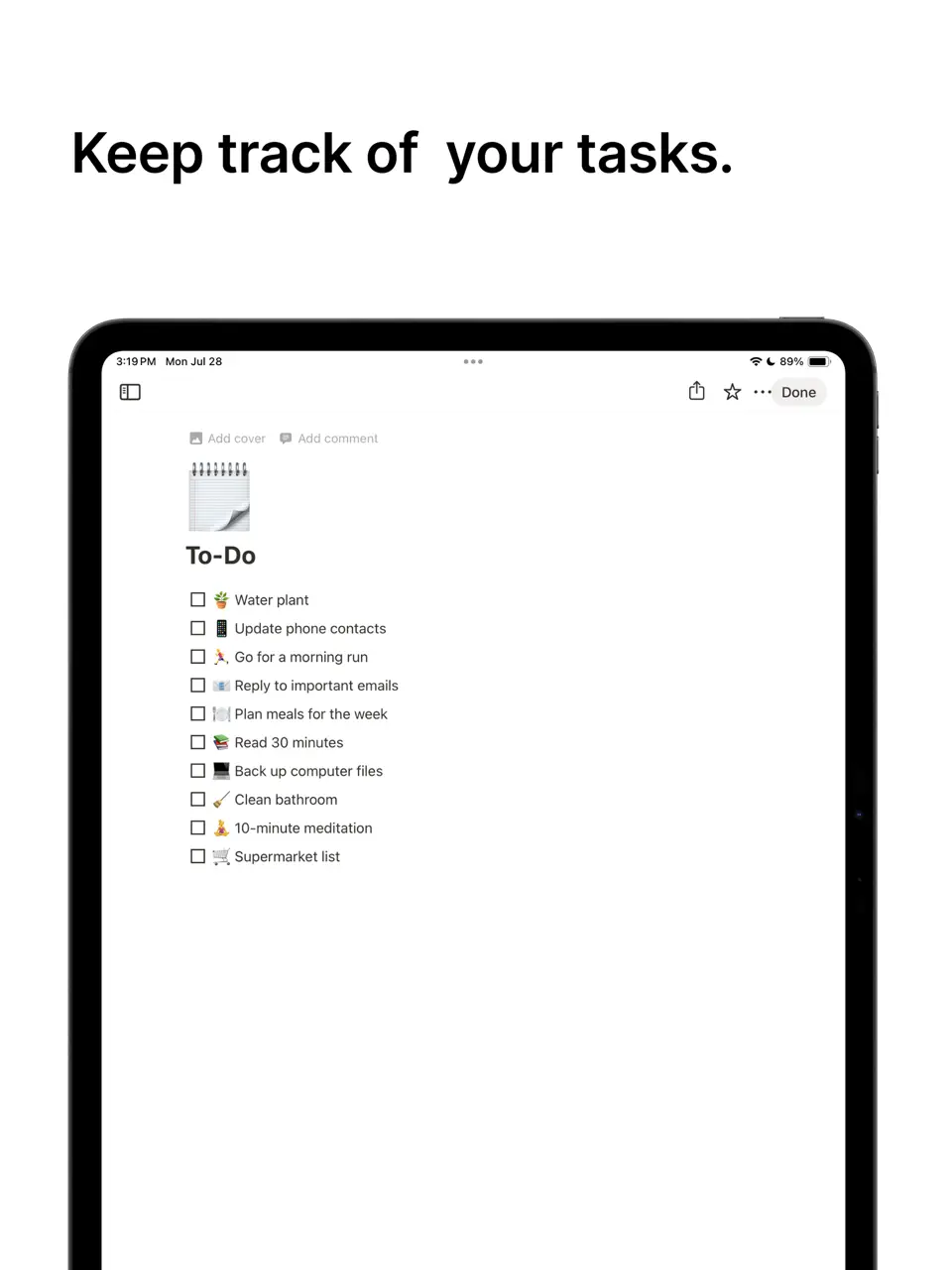
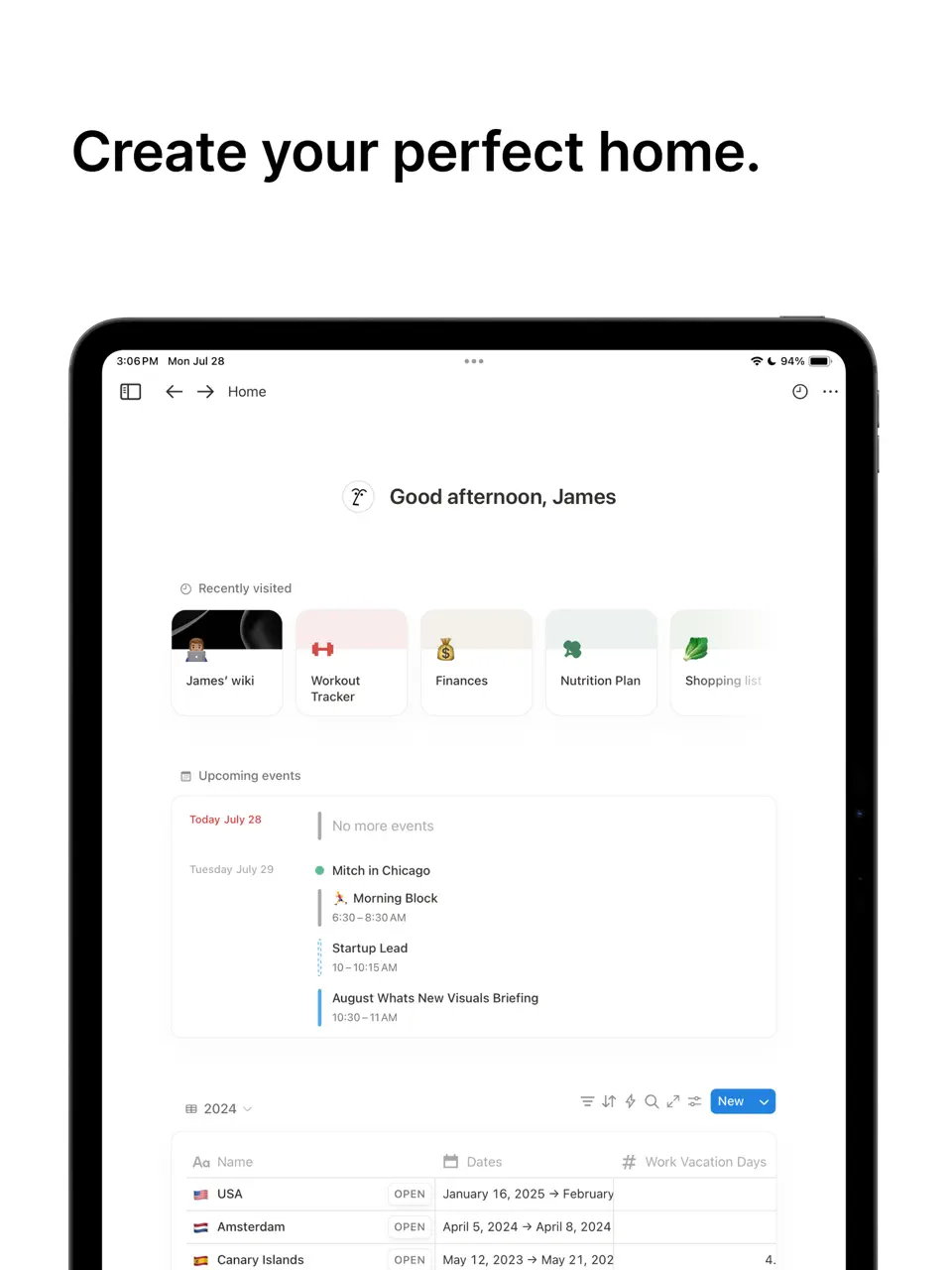
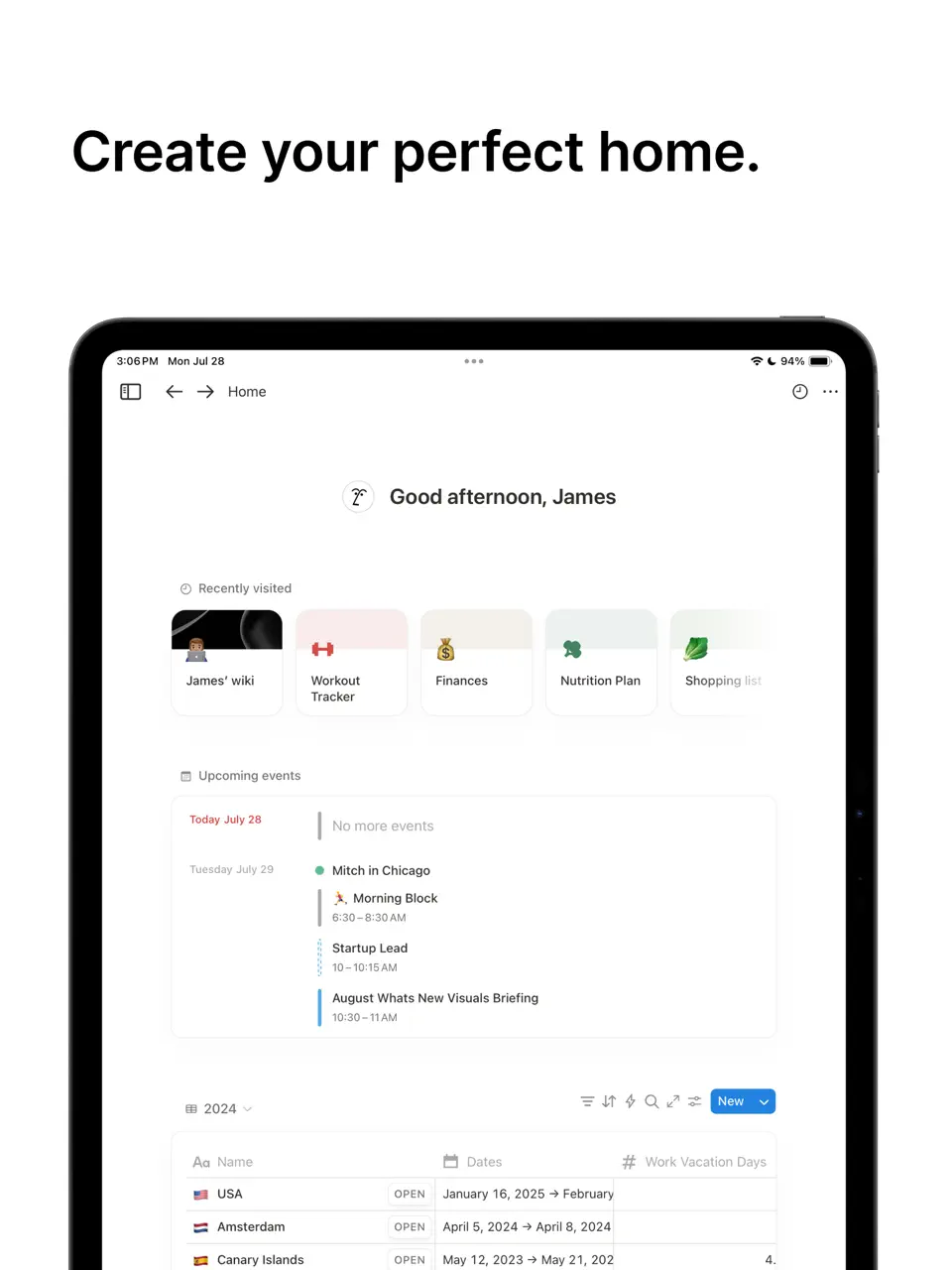
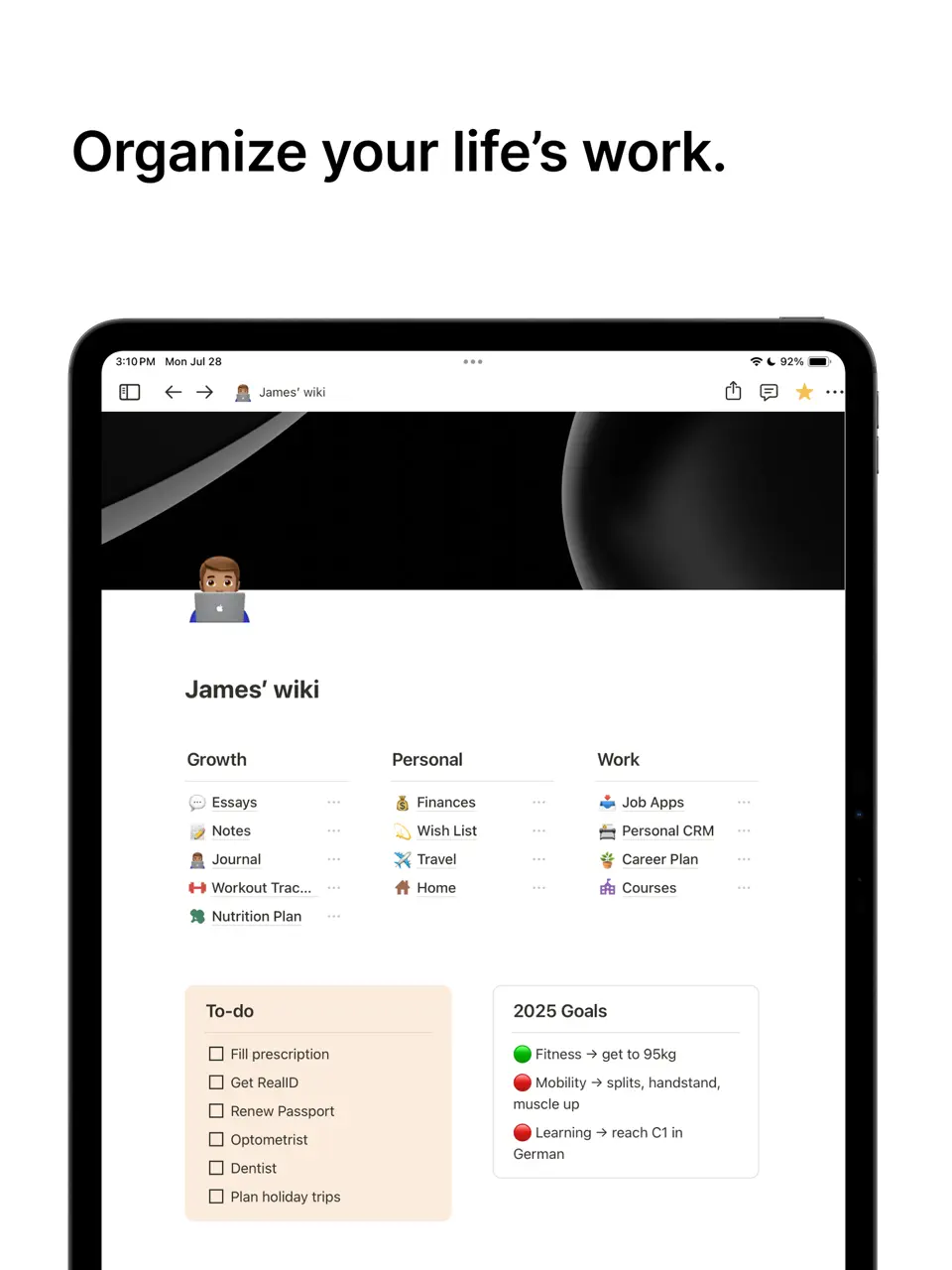
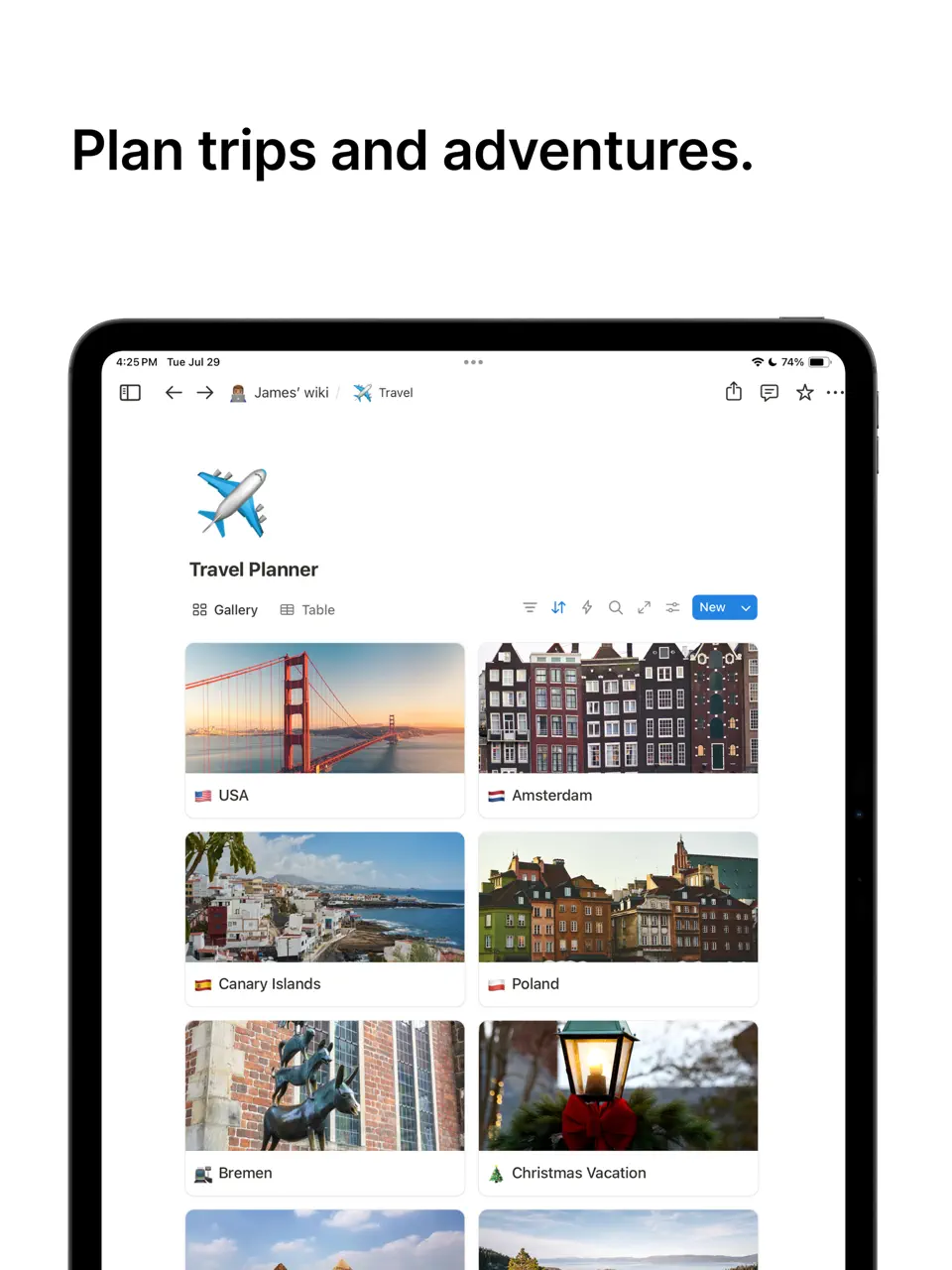
Notion is the most customizable all-in-one task management app and workspace. Using a block-based system, you can create task lists, databases, kanban boards, calendars, habit trackers, and personal dashboards. It supports subtasks, priorities, recurring items (via templates), reminders, progress bars, and extensive integrations (Zapier, Slack, Google Calendar).
The free plan is generous for individuals; paid tiers add AI writing and unlimited blocks. Notion shines when you need flexible productivity tools tailored to your workflow, but the power comes with a learning curve. It is perfect for power users, creators, and freelancers who want everything interconnected in one place without switching apps.
- Endless customization possibilities
- Excellent free tier for personal use
- AI writing and summarization
- Strong collaboration
- Works on all devices
- Steep learning curve
- Can feel slow on mobile
- Overkill for simple daily tasks
Product details
| Type of app | Best for | Platforms | Developer | Pricing Model |
|---|---|---|---|---|
| All-in-One Workspace | Custom task databases | Multi | Notion Labs | Freemium (~$5–12/month) |
TickTick
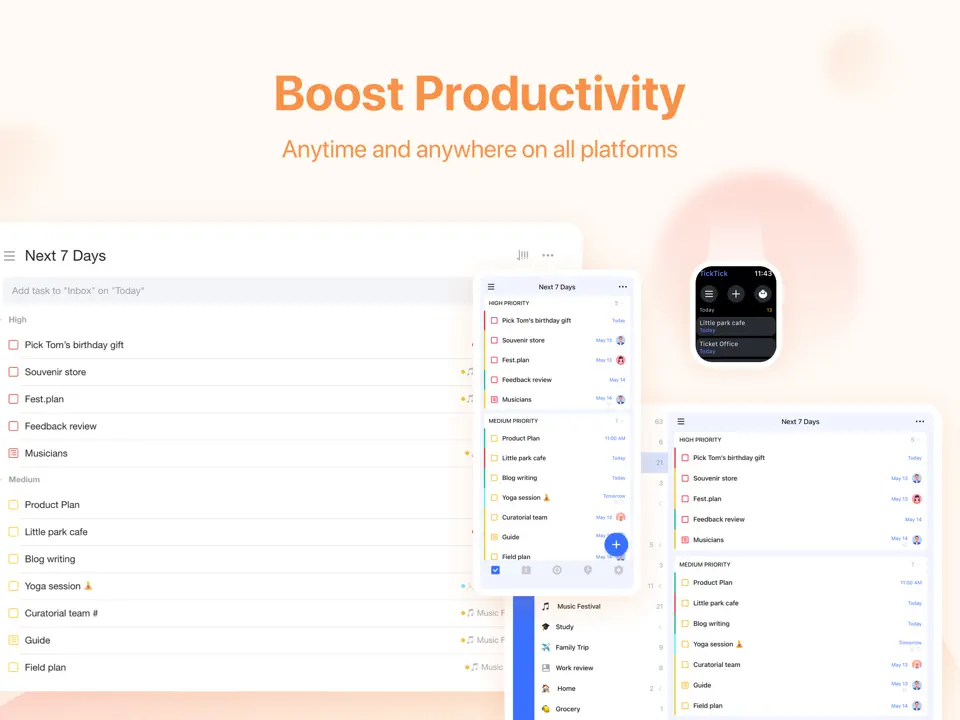
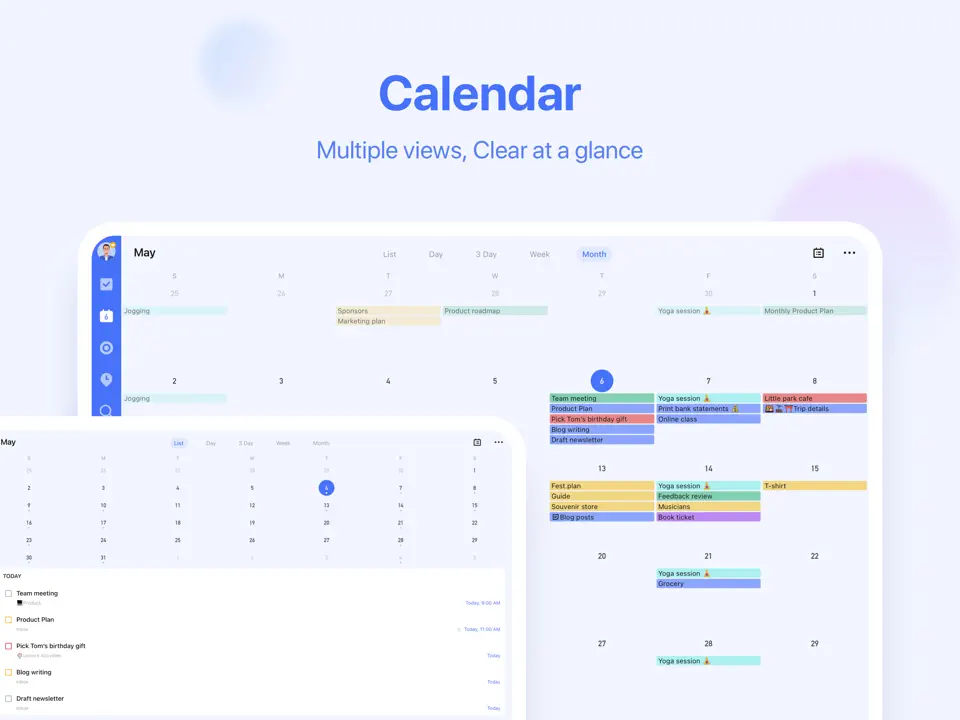
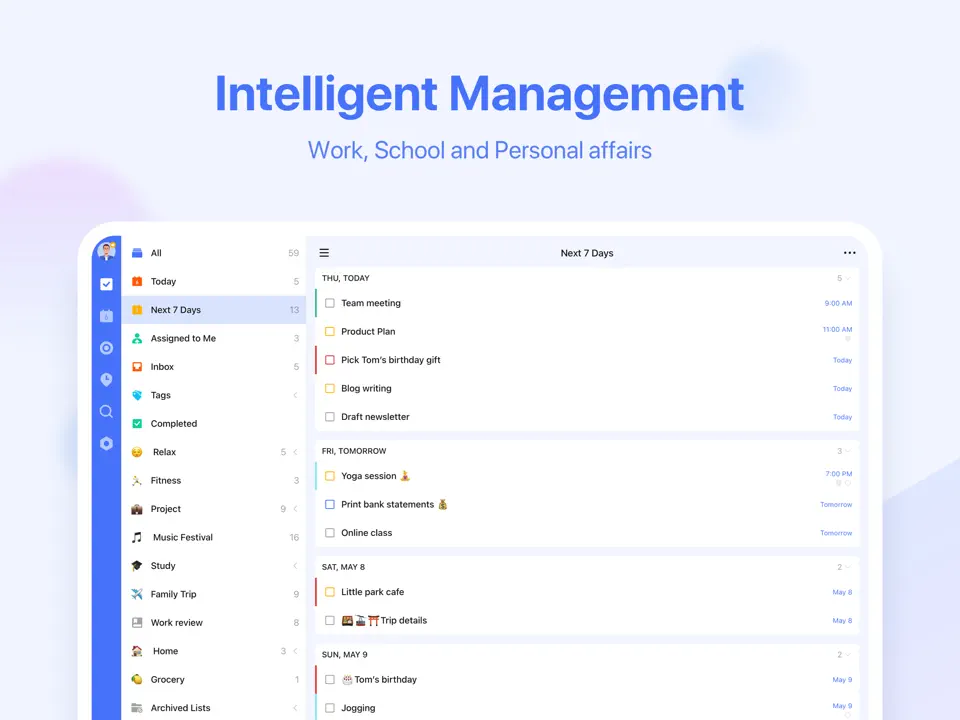
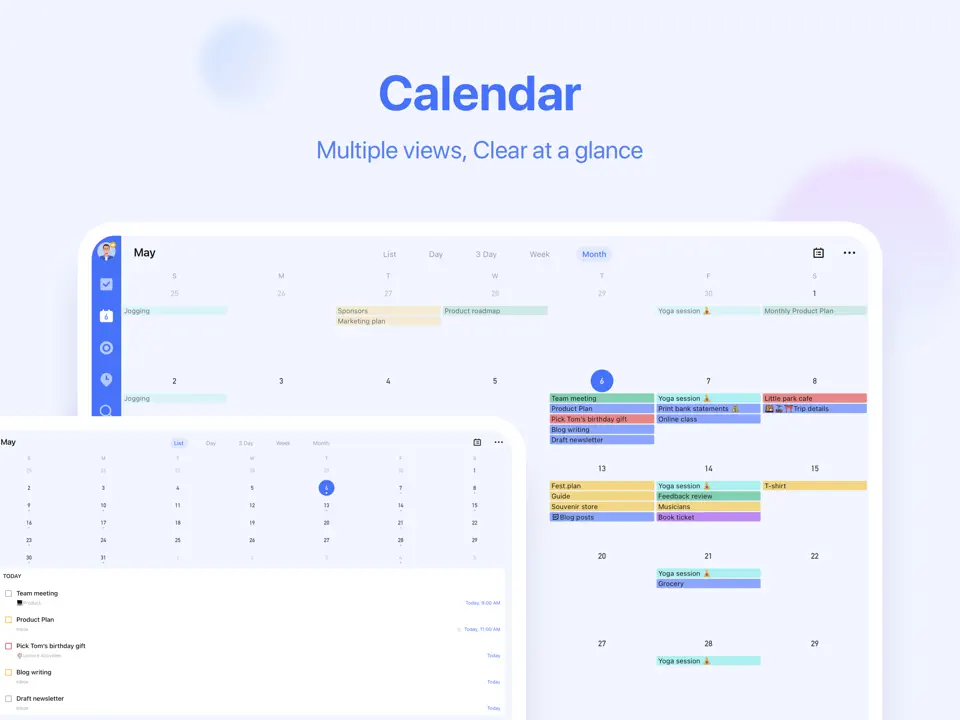
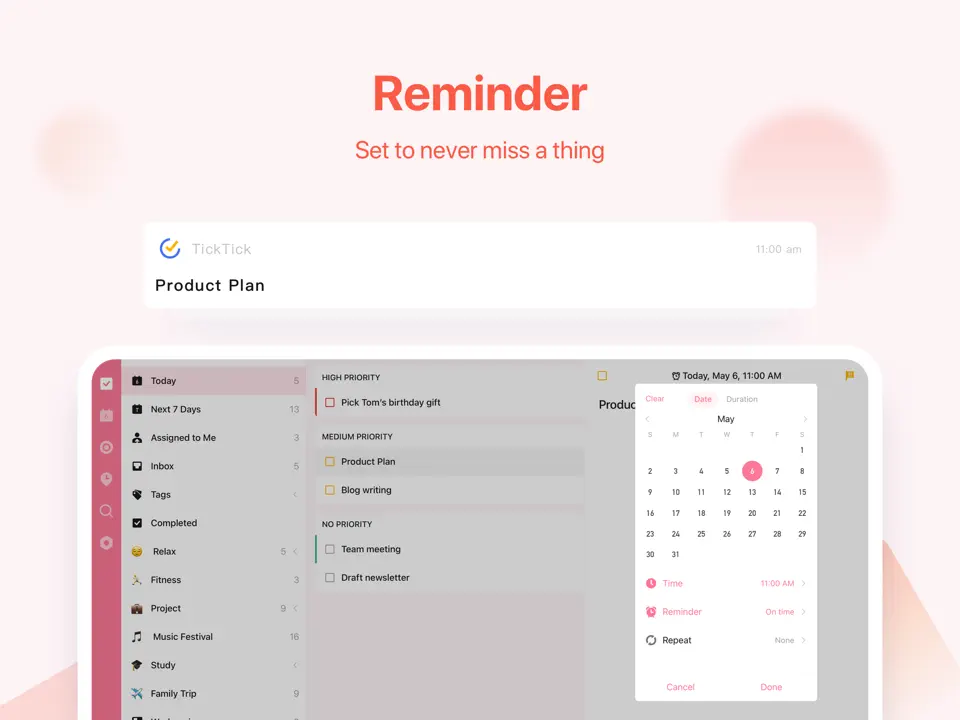
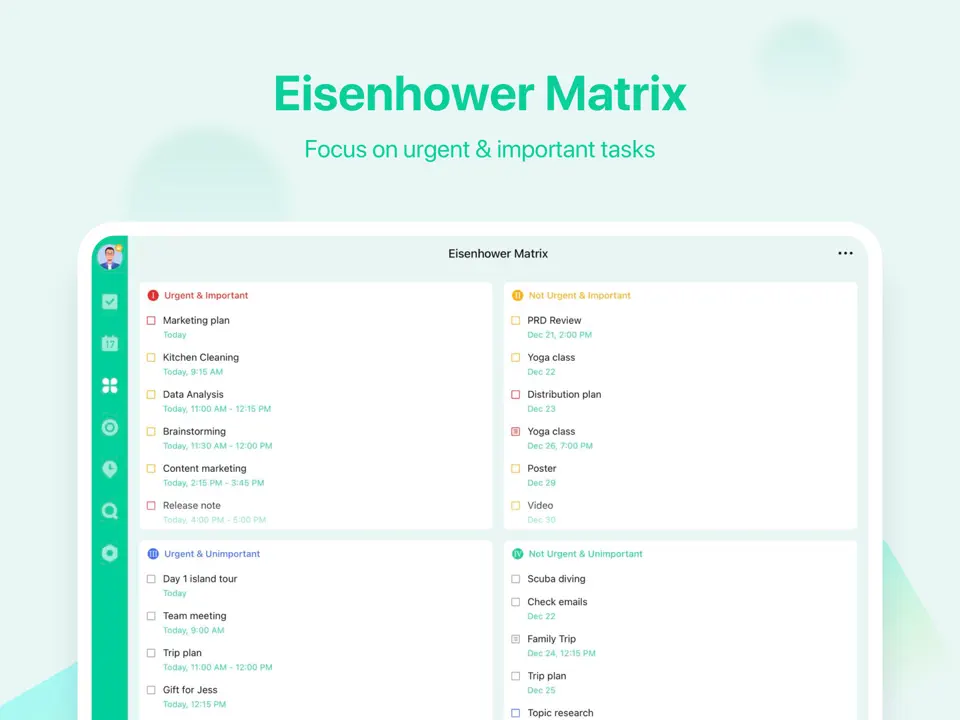
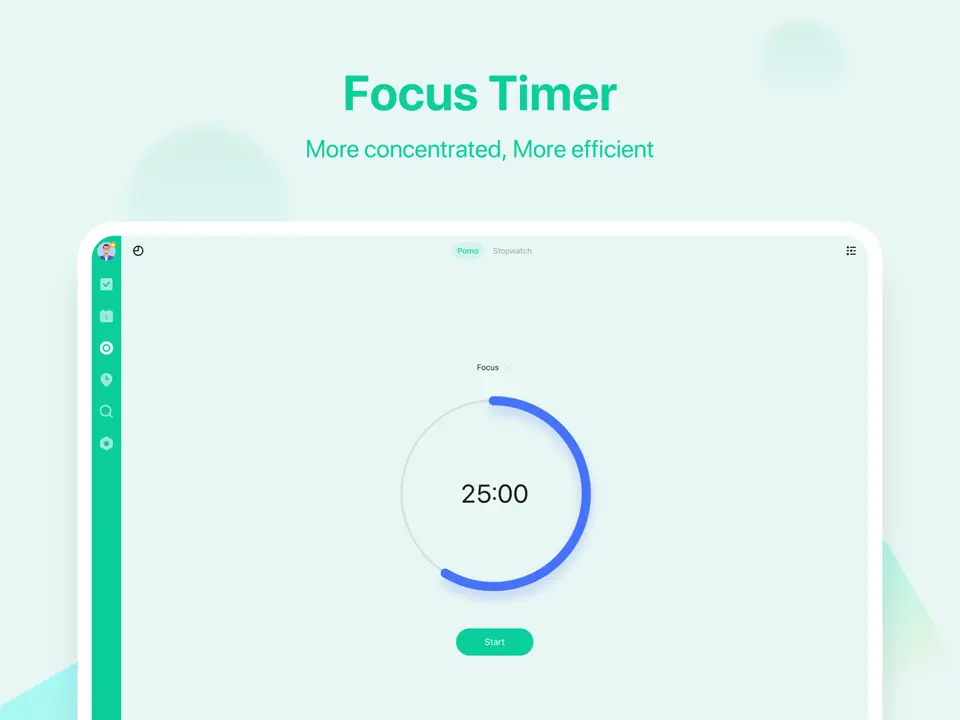
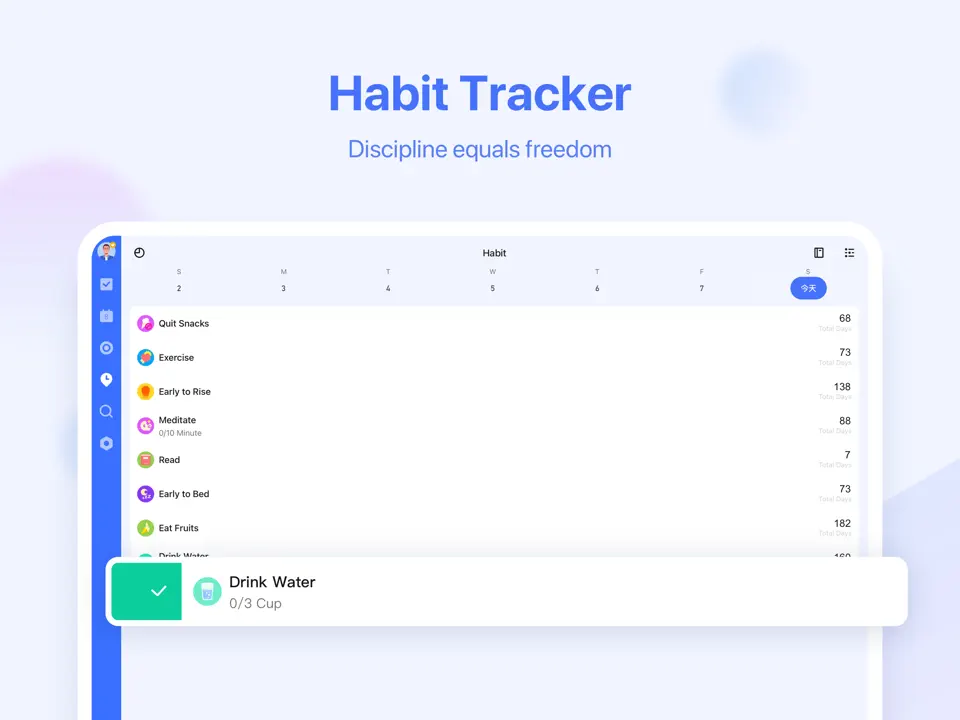
TickTick is a highly capable task management app that combines clean design with deep productivity features. It includes subtasks, priorities, labels, recurring tasks, reminders, built-in calendar, habit tracking, Pomodoro timers, Eisenhower matrix, and customizable widgets. The free version is strong; premium adds advanced filters and calendar subscriptions. It syncs reliably across all platforms and excels at helping users prioritize, manage time, and stay focused. TickTick is ideal for anyone who wants a single app to handle daily tasks, habits, and time blocking without complexity or high cost.
- Native Pomodoro and habit tracking
- Beautiful calendar integration
- Powerful free tier
- Excellent widgets
- Cross-platform sync
- The interface can feel busy for minimalists
- No handwriting support
- Some advanced features behind a paywall
Product details
| Type of app | Best for | Platforms | Developer | Pricing Model |
|---|---|---|---|---|
| All-in-One Task & Habit | Pomodoro & habits | Multi | Appest Inc. | Freemium (~$36/year) |
Todoist
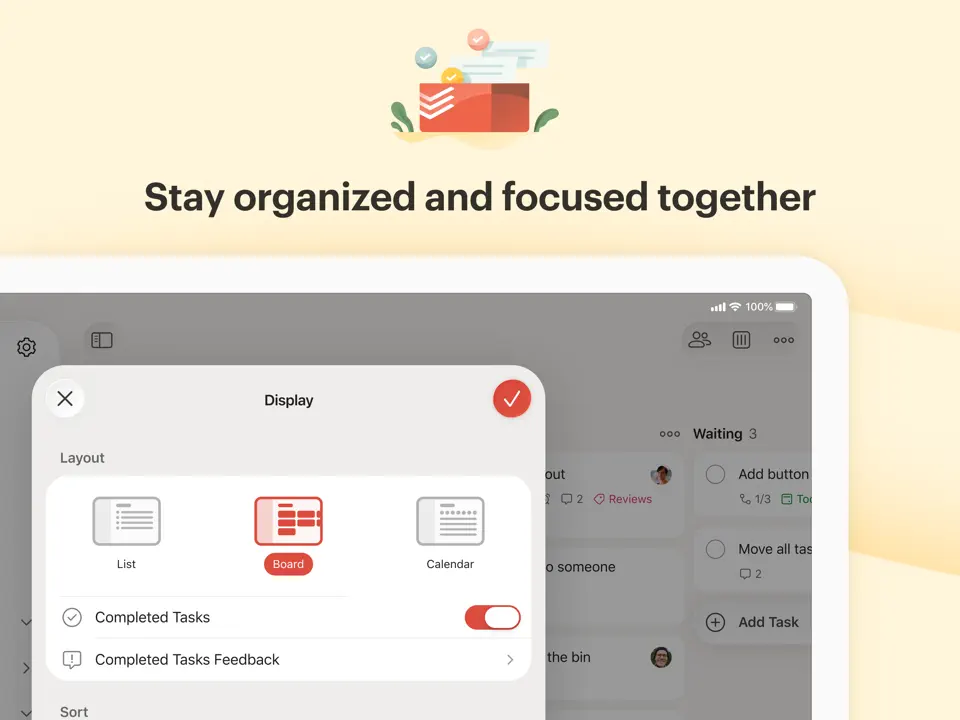
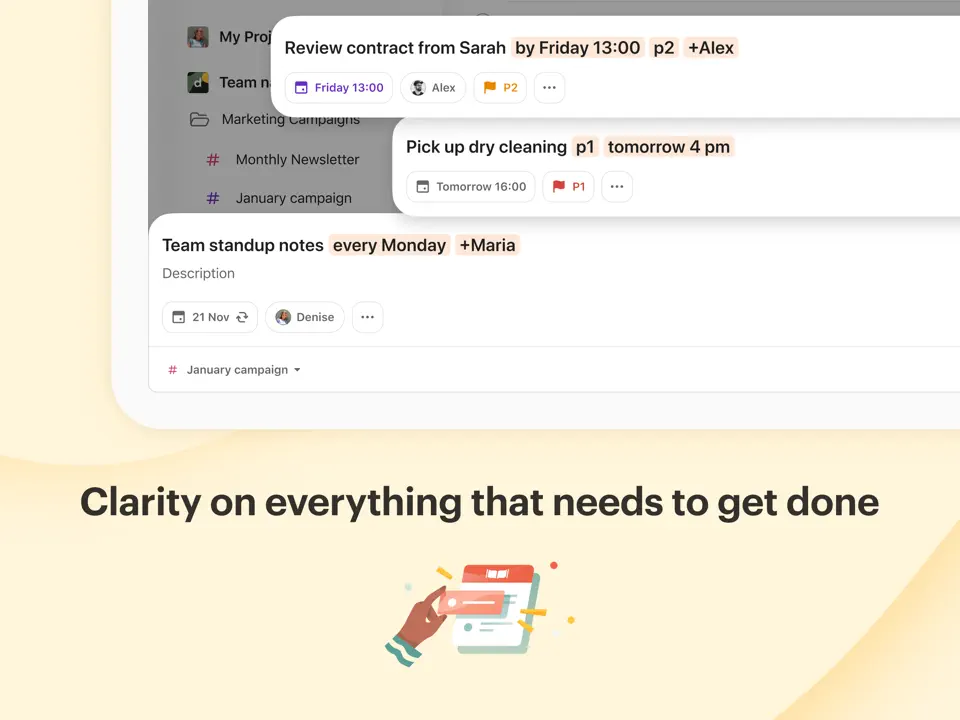
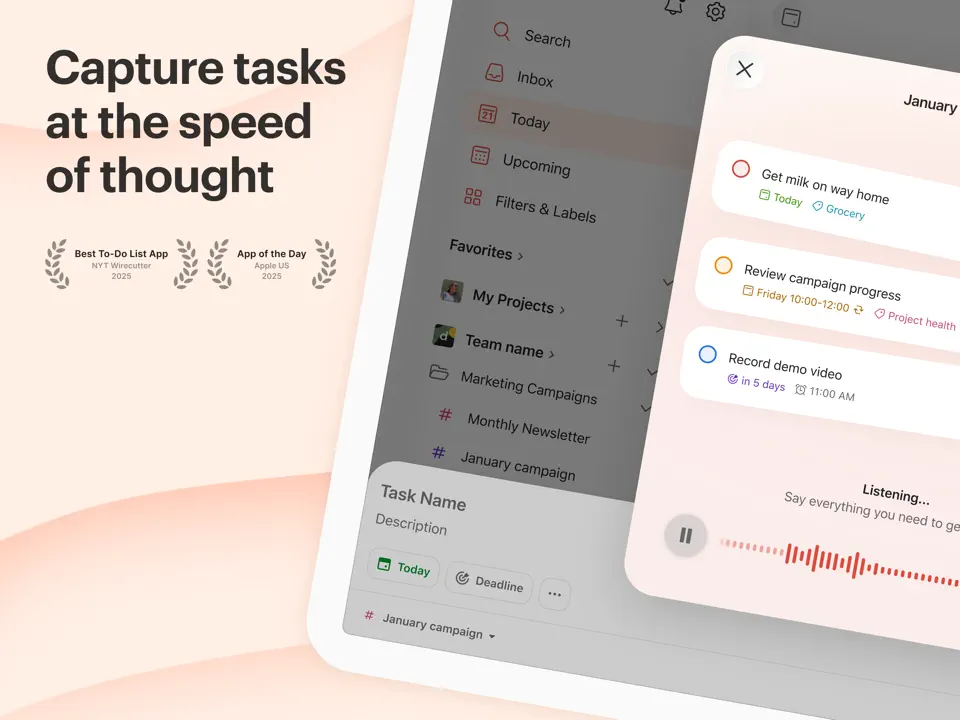
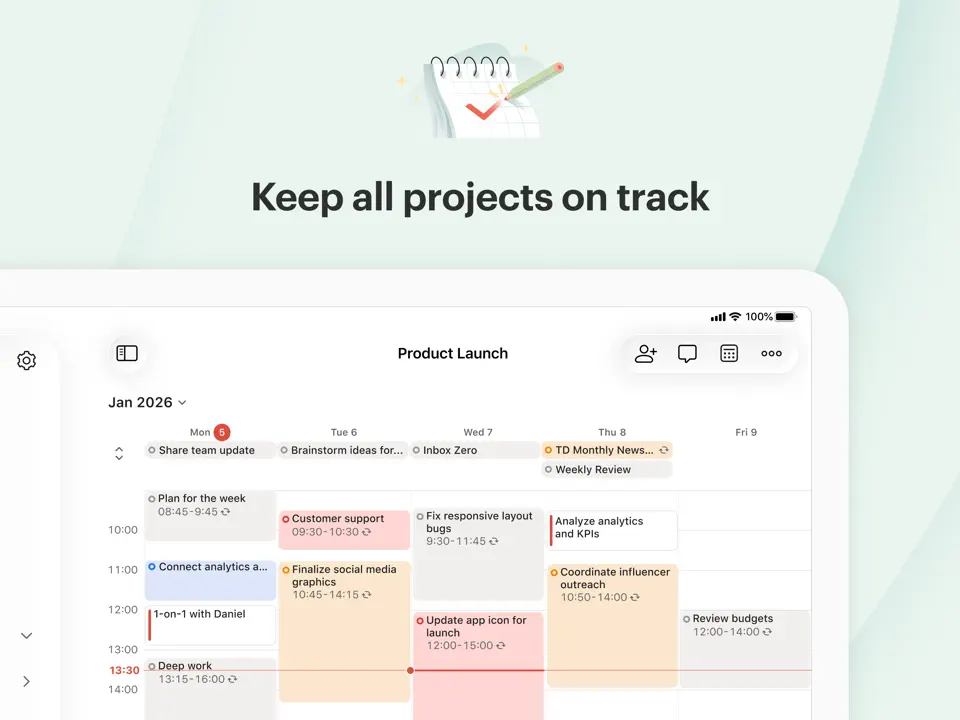
Todoist is one of the most trusted minimalist task management apps. Its natural language input lets you quickly add tasks with due dates, priorities, labels, and recurring schedules. It supports subtasks, filters, karma motivation, and instant sync across devices. The free plan covers most needs; Pro adds reminders and calendar layout. Todoist is perfect for users who want a fast, reliable to-do list app focused purely on tasks without extra clutter. It is a favorite among minimalists and professionals who value speed, clarity, and simplicity in daily organization.
- Lightning-fast natural language input
- Great free version
- Excellent cross-platform sync
- Strong integrations
- Karma motivation system
- No native calendar in free plan
- No habit tracking
- Premium needed for full power
Product details
| Type of app | Best for | Platforms | Developer | Pricing Model |
|---|---|---|---|---|
| Task Manager | Simple lists & reminders | Multi | Doist | Freemium (~$48/year) |
Any.Do
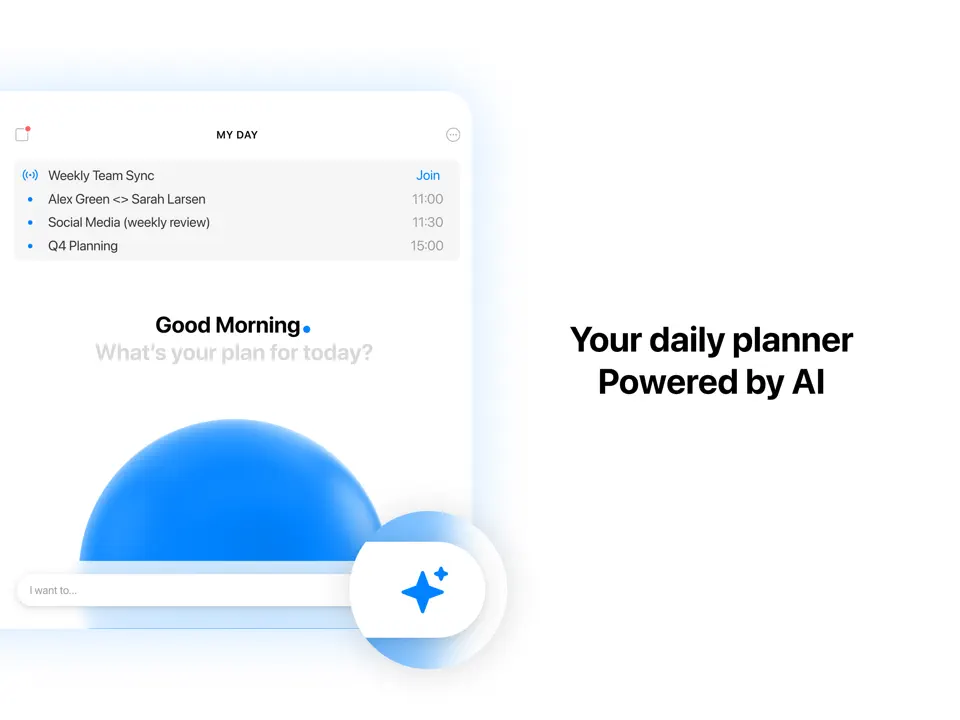
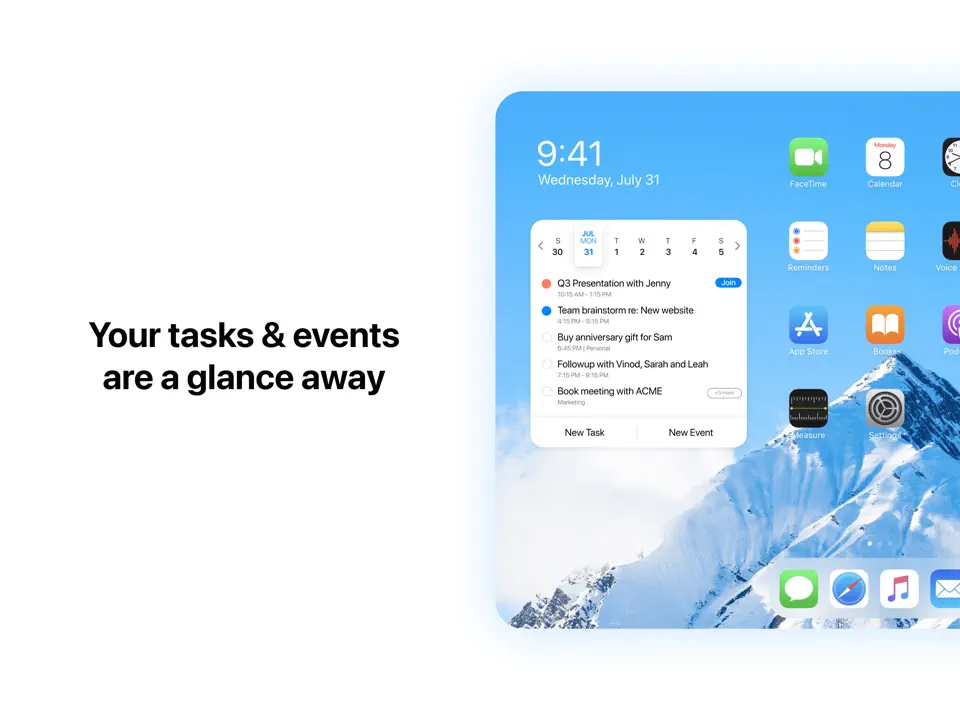
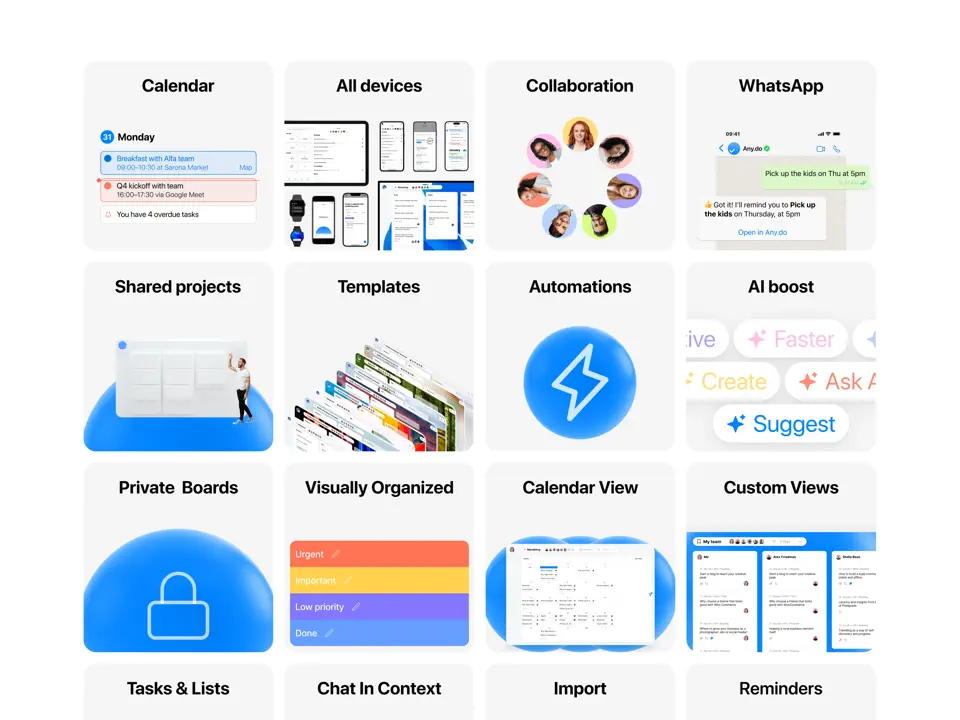
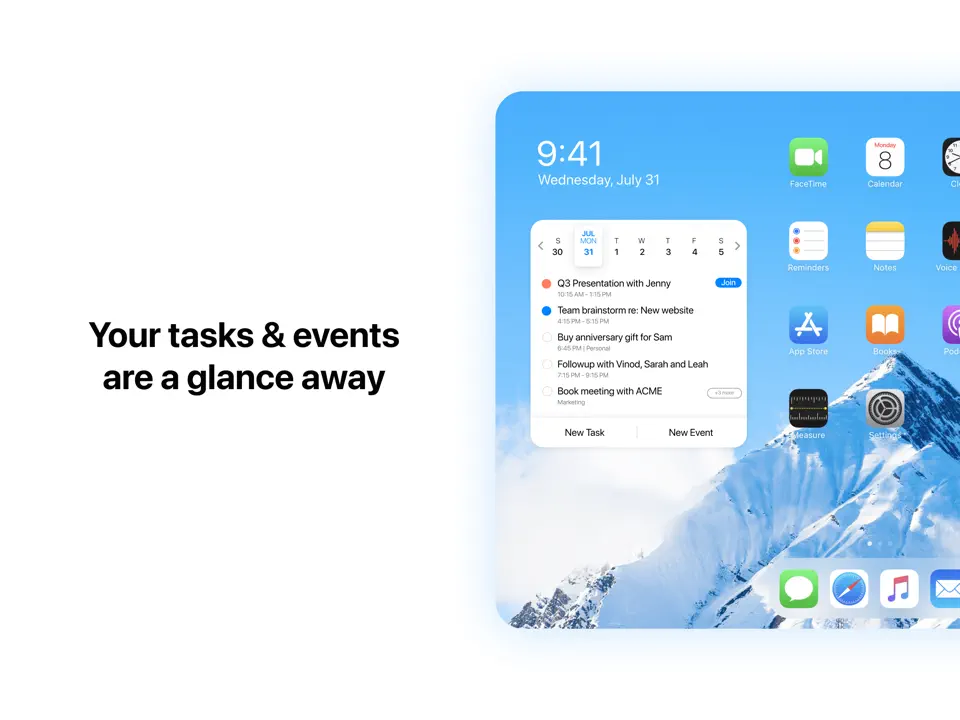
Any.Do is a visually appealing task management app that blends clean lists, voice input, grocery mode, and calendar view. It supports quick add, location reminders, recurring tasks, and family sharing. The free version is usable; premium unlocks themes and advanced features. Any.Do feels intuitive and modern, making it great for everyday tasks, shopping lists, and simple weekly planning. It is a popular choice for users who prioritize aesthetics and ease of use over complex productivity tools.
- Attractive and intuitive interface
- Voice input and grocery lists
- Built-in calendar view
- Good free tier
- Family sharing
- Premium needed for full experience
- No habit tracking
- Less powerful than TickTick or Todoist
Product details
| Type of app | Best for | Platforms | Developer | Pricing Model |
|---|---|---|---|---|
| Simple Task & Calendar | Quick lists & voice | Multi | Any.do | Freemium (~$8/month) |
Microsoft To-Do
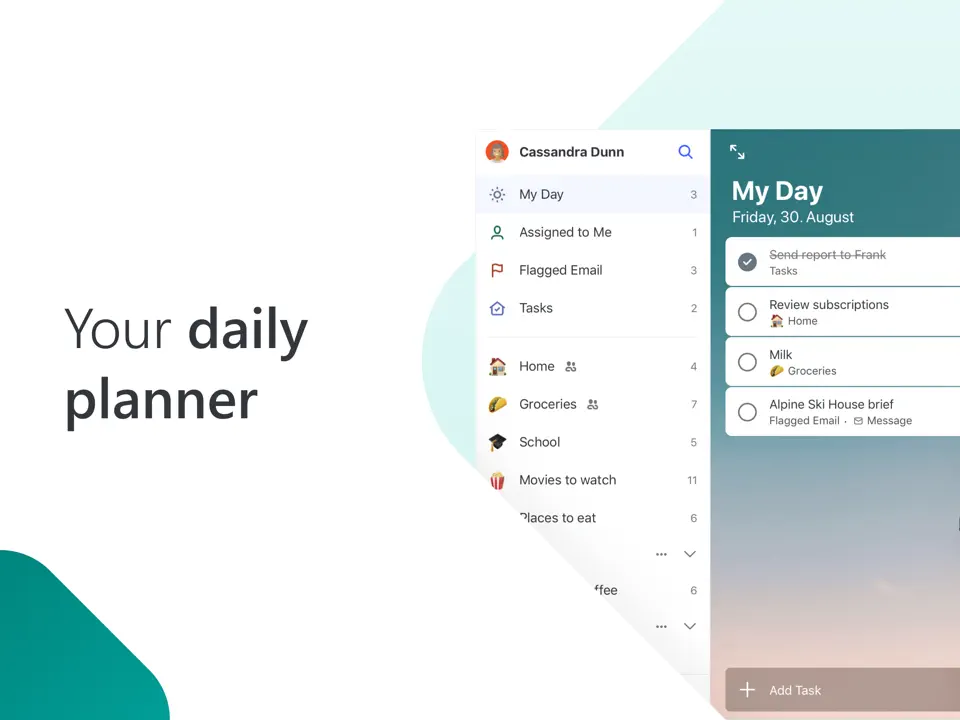
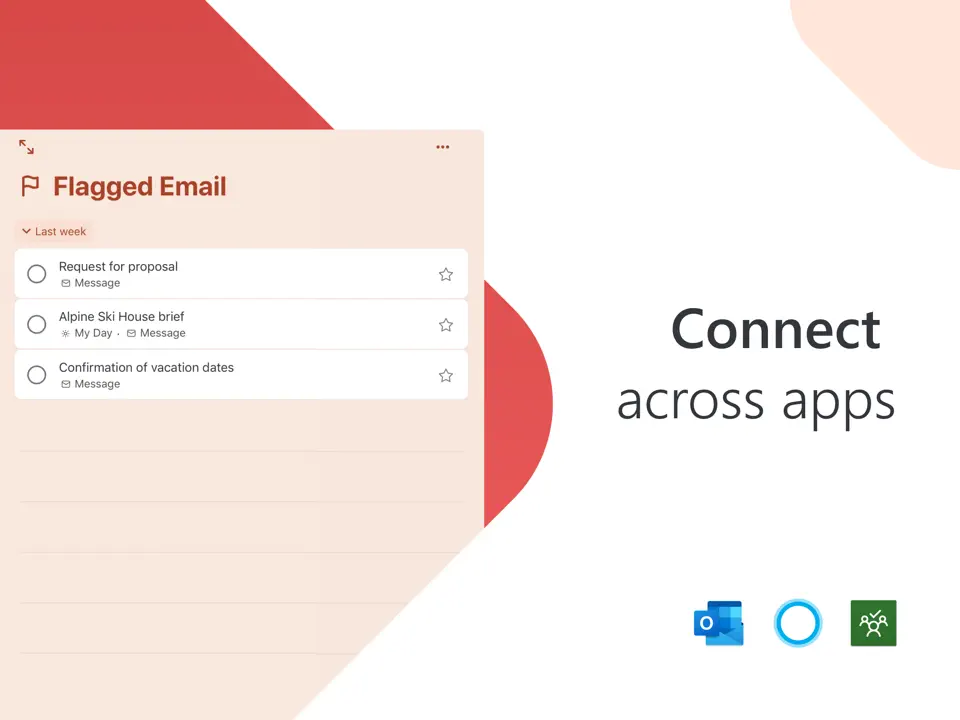
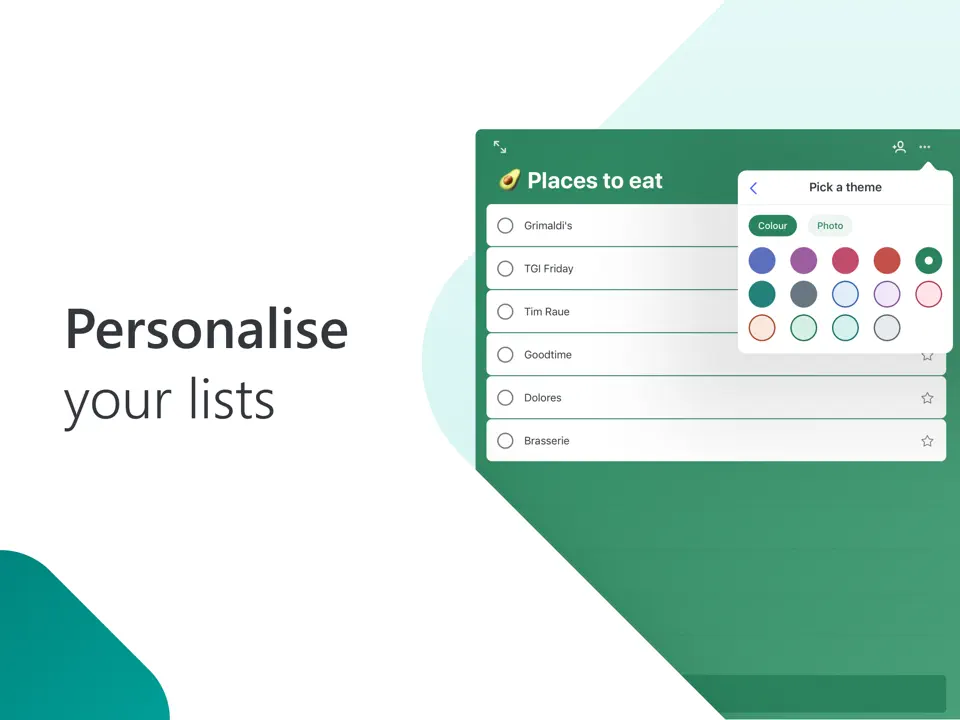
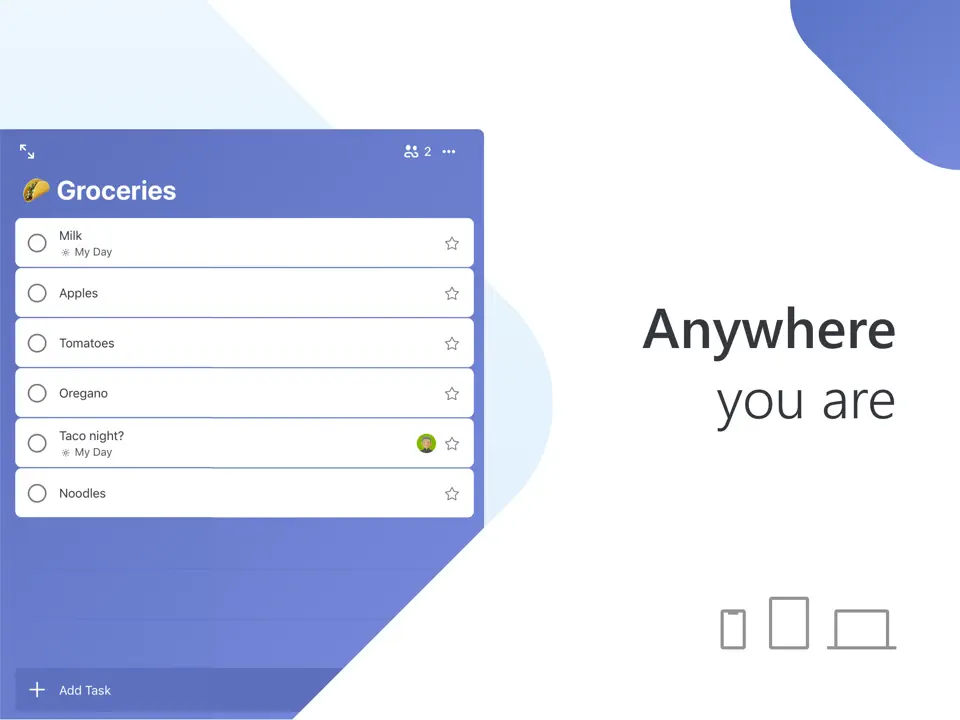
Microsoft To Do is a clean, free task management app with strong Outlook integration. It offers lists, subtasks, due dates, reminders, and the popular My Day view for daily focus. It syncs instantly across Windows, iOS, Android, web, and Mac. No ads, no paywalls, everything is free. It is perfect for users in the Microsoft ecosystem who want a simple, reliable tool for daily tasks and to-dos without extra features or cost.
- 100% free
- Seamless Microsoft sync
- Simple and distraction-free
- My Day focus feature
- Cross-platform
- Basic compared to TickTick
- No habit tracking
- Limited customization
Product details
| Type of app | Best for | Platforms | Developer | Pricing Model |
|---|---|---|---|---|
| Simple Task Planner | Free daily lists | Multi | Microsoft | Free |
Google Calendar
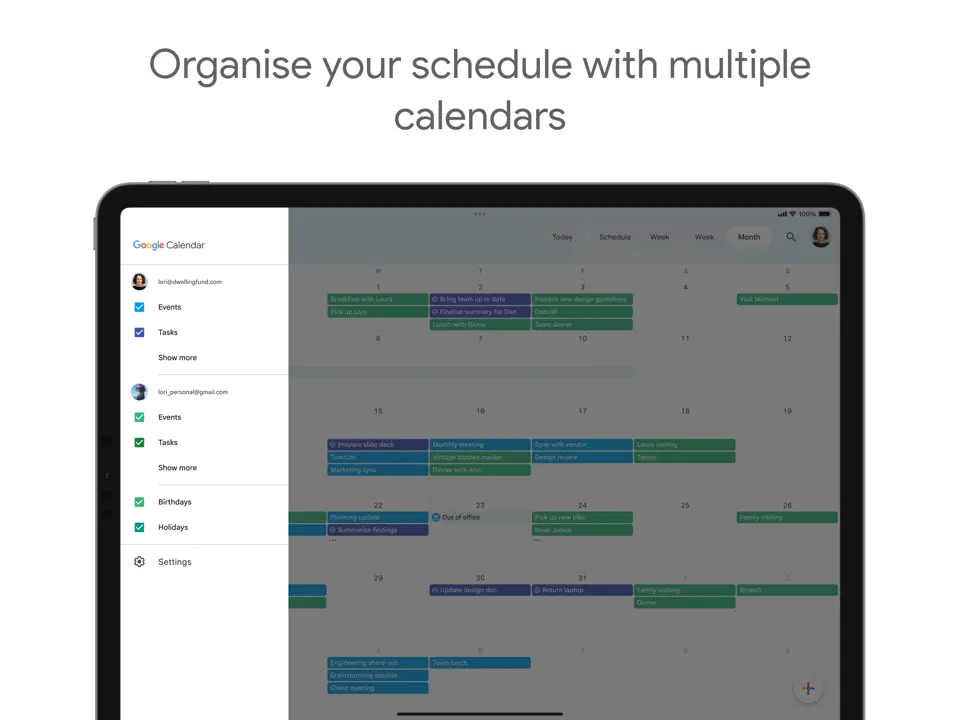
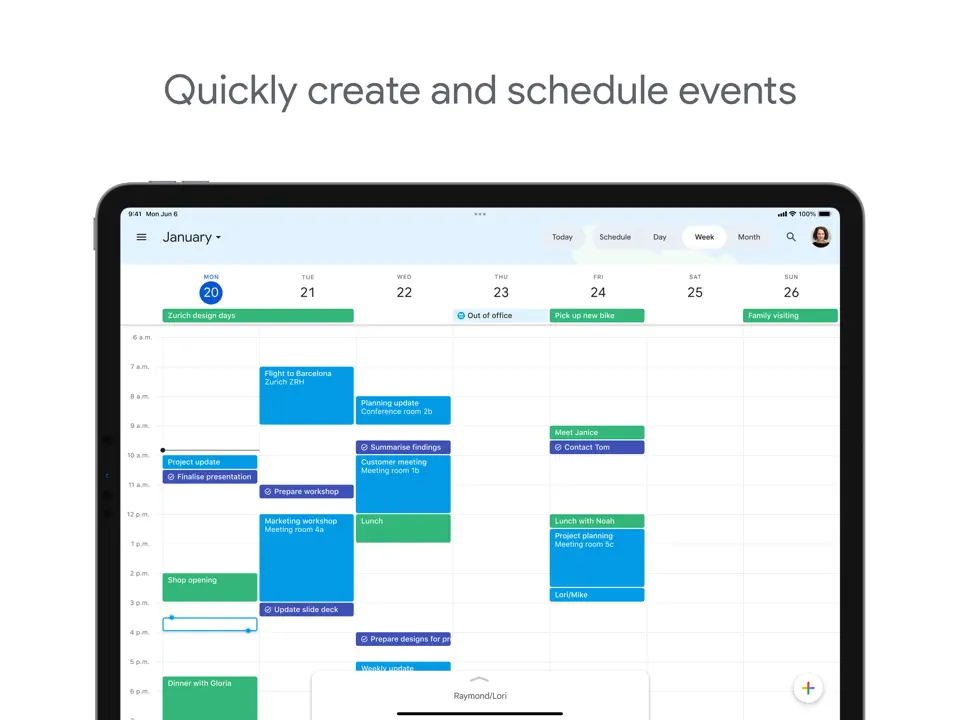
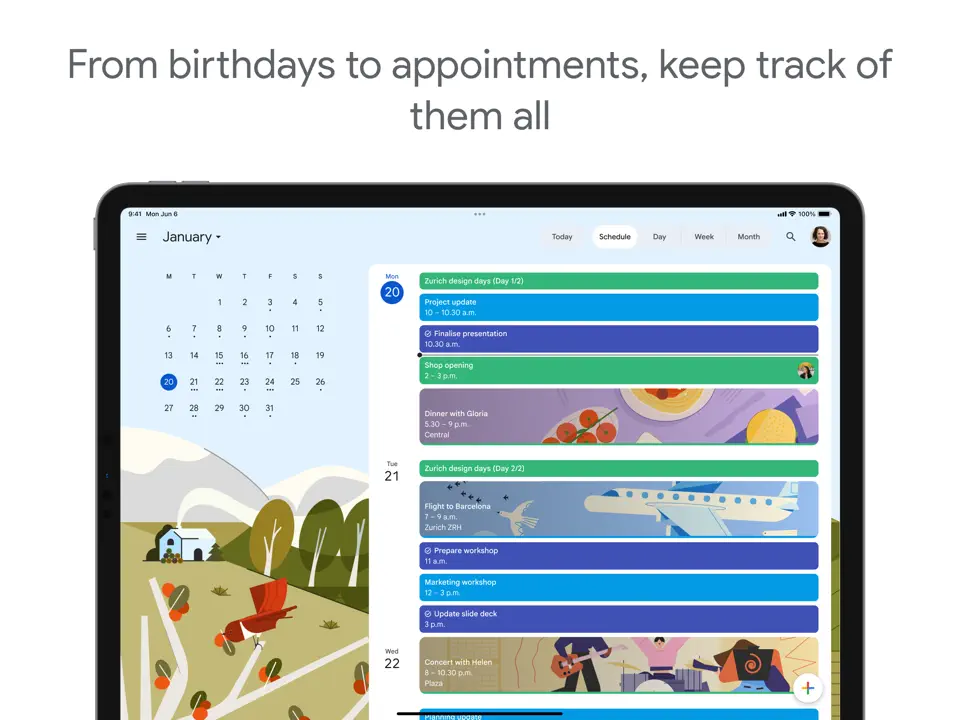
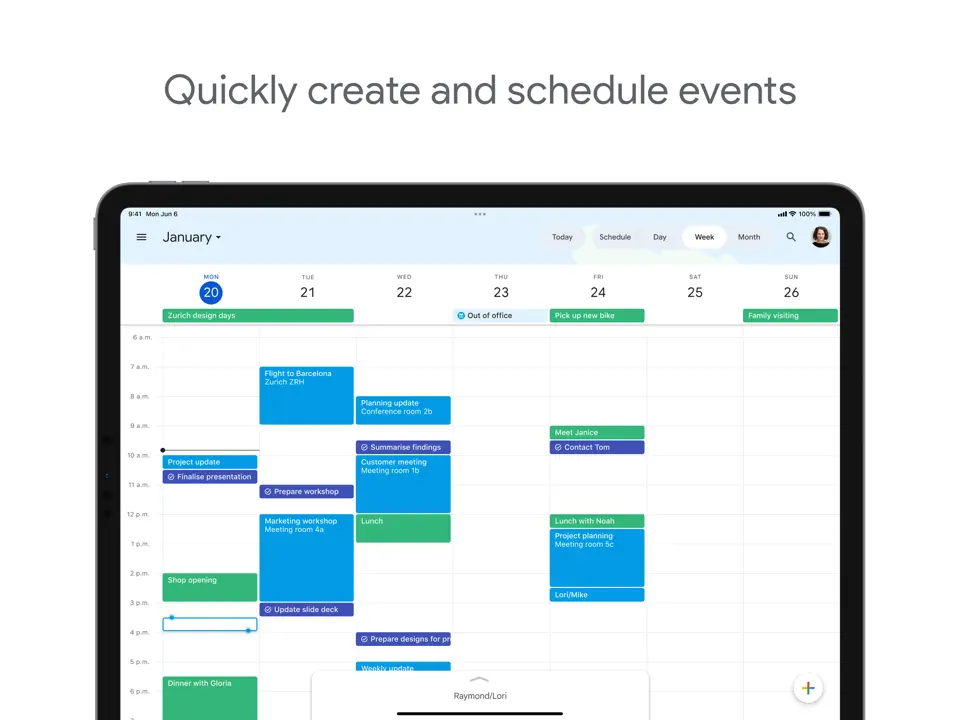
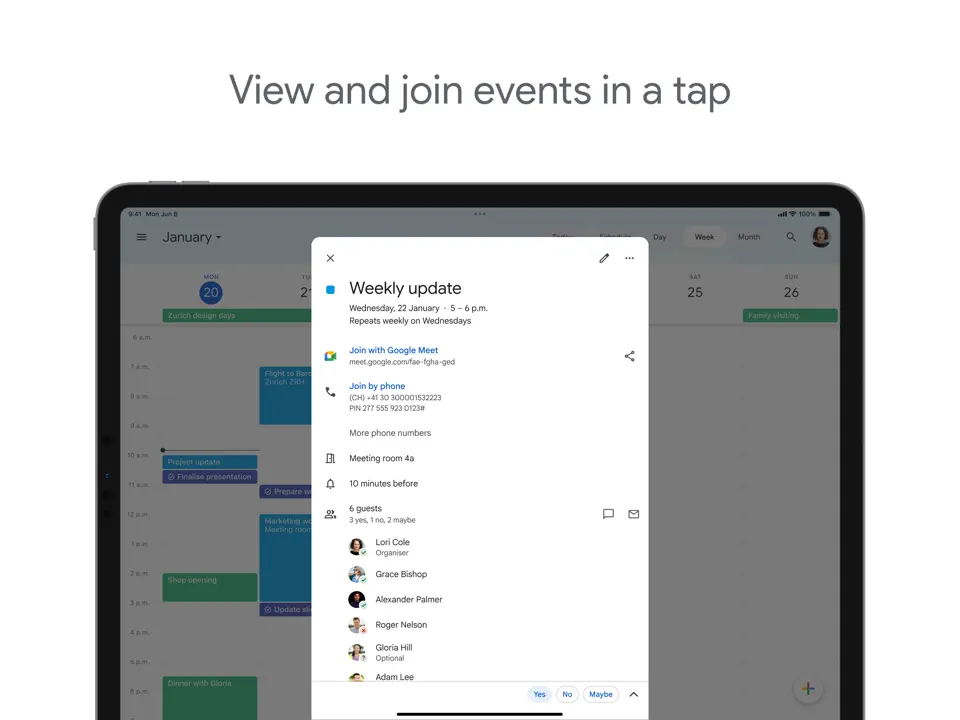
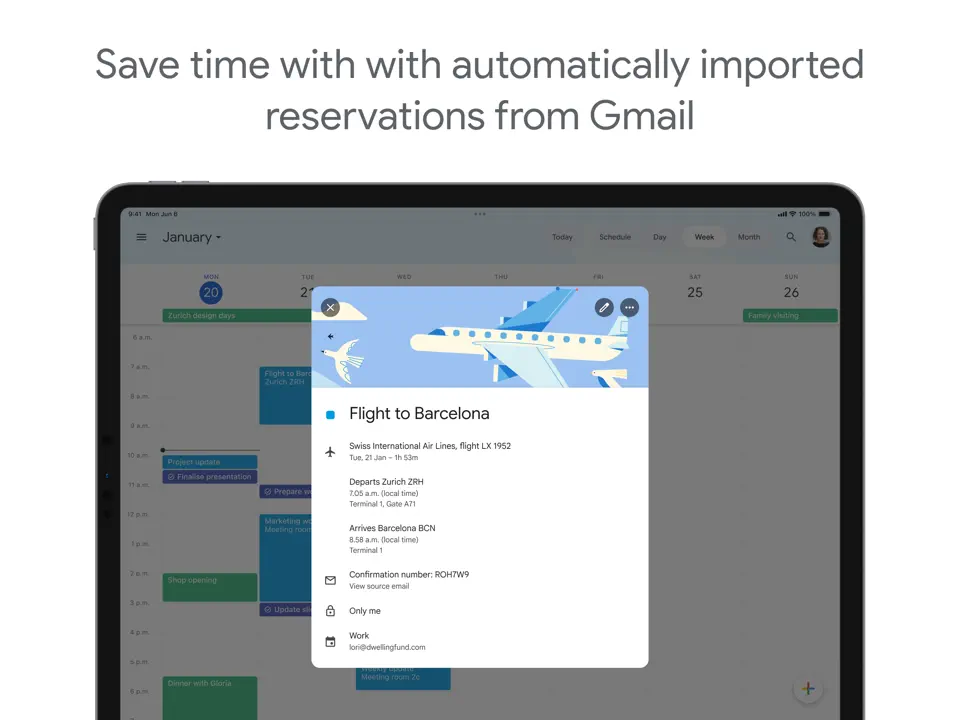
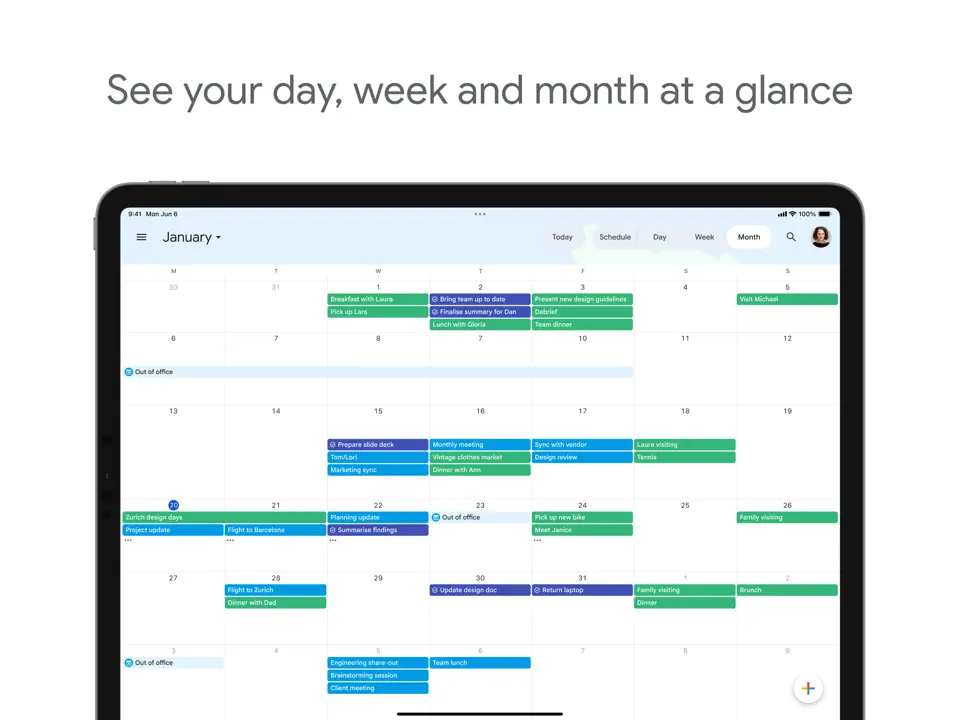
Google Calendar is the most widely used free calendar and basic task manager. It handles events, reminders, recurring tasks, time blocking, color-coding, and shared calendars with seamless integration into Gmail, Keep, and Tasks. It supports mobile, desktop, and web with no cost or ads for personal use. Google Calendar is the default choice for scheduling and simple task reminders: reliable, fast, and always available.
- Completely free
- Perfect cross-device sync
- Time blocking and goals
- Shared calendars
- Weather and suggestions
- No deep task features
- Basic note/task integration
- No gamification
Product details
| Type of app | Best for | Platforms | Developer | Pricing Model |
|---|---|---|---|---|
| Pure Calendar | Events & scheduling | Multi | Free |
Asana
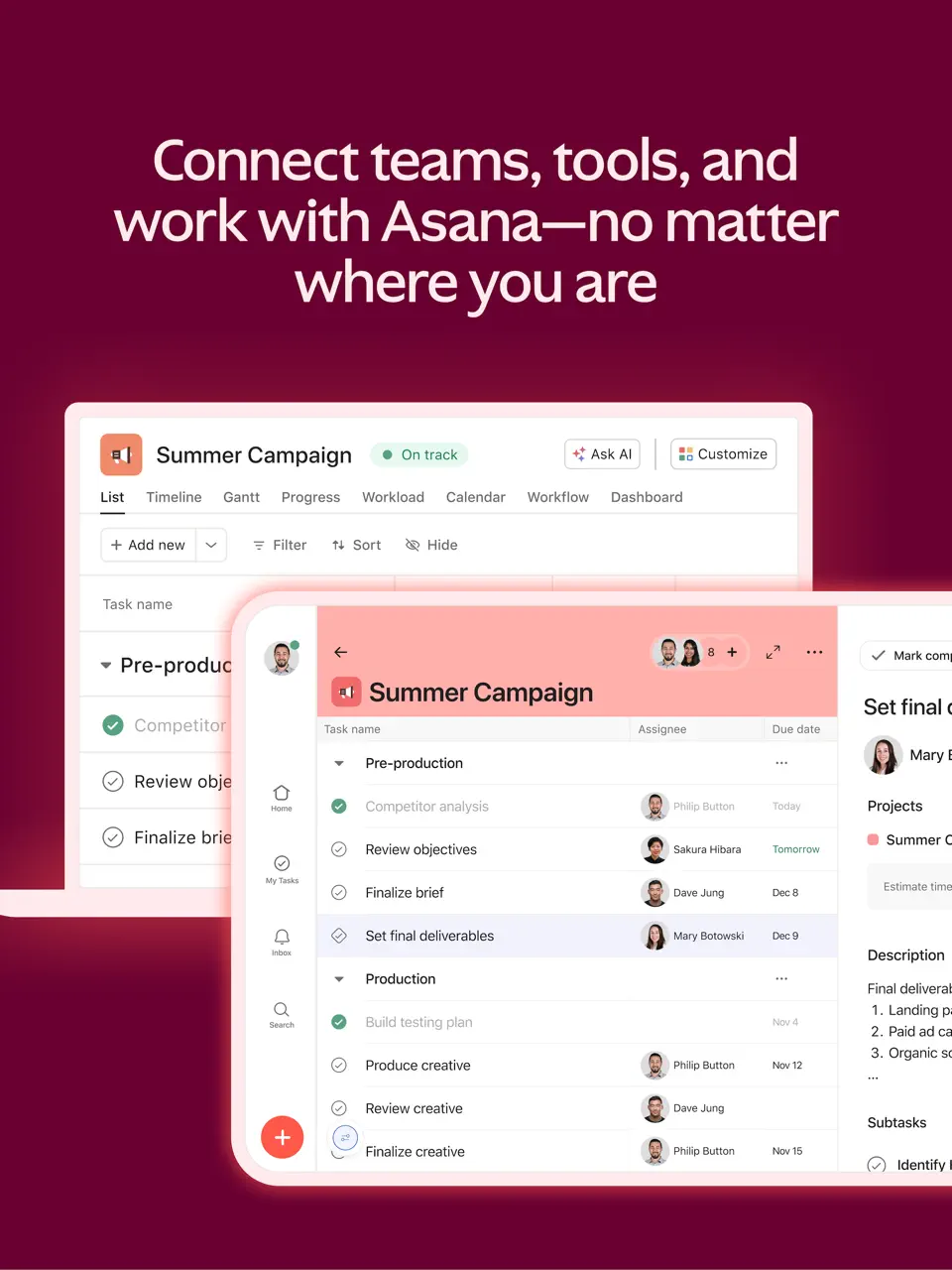
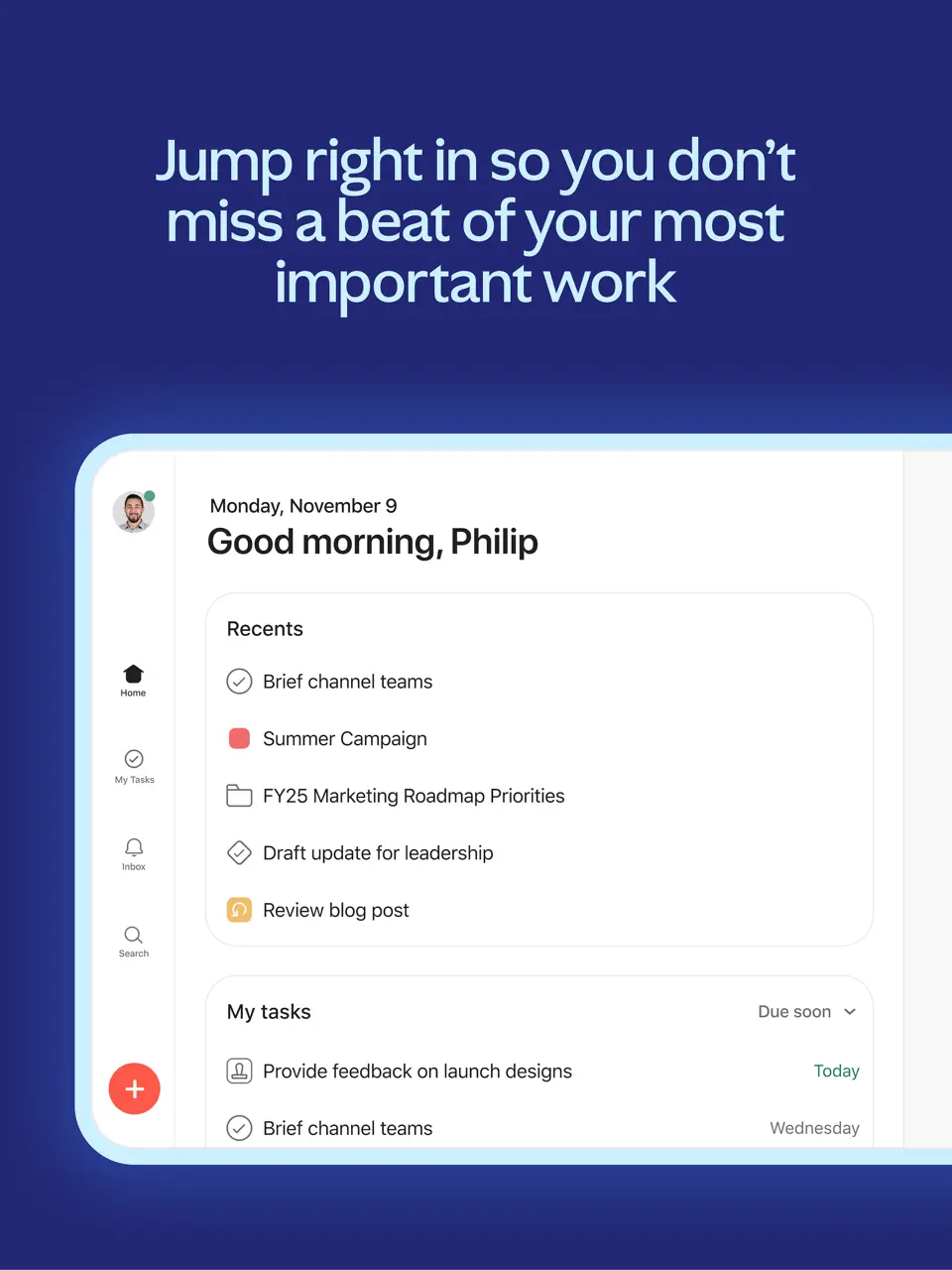
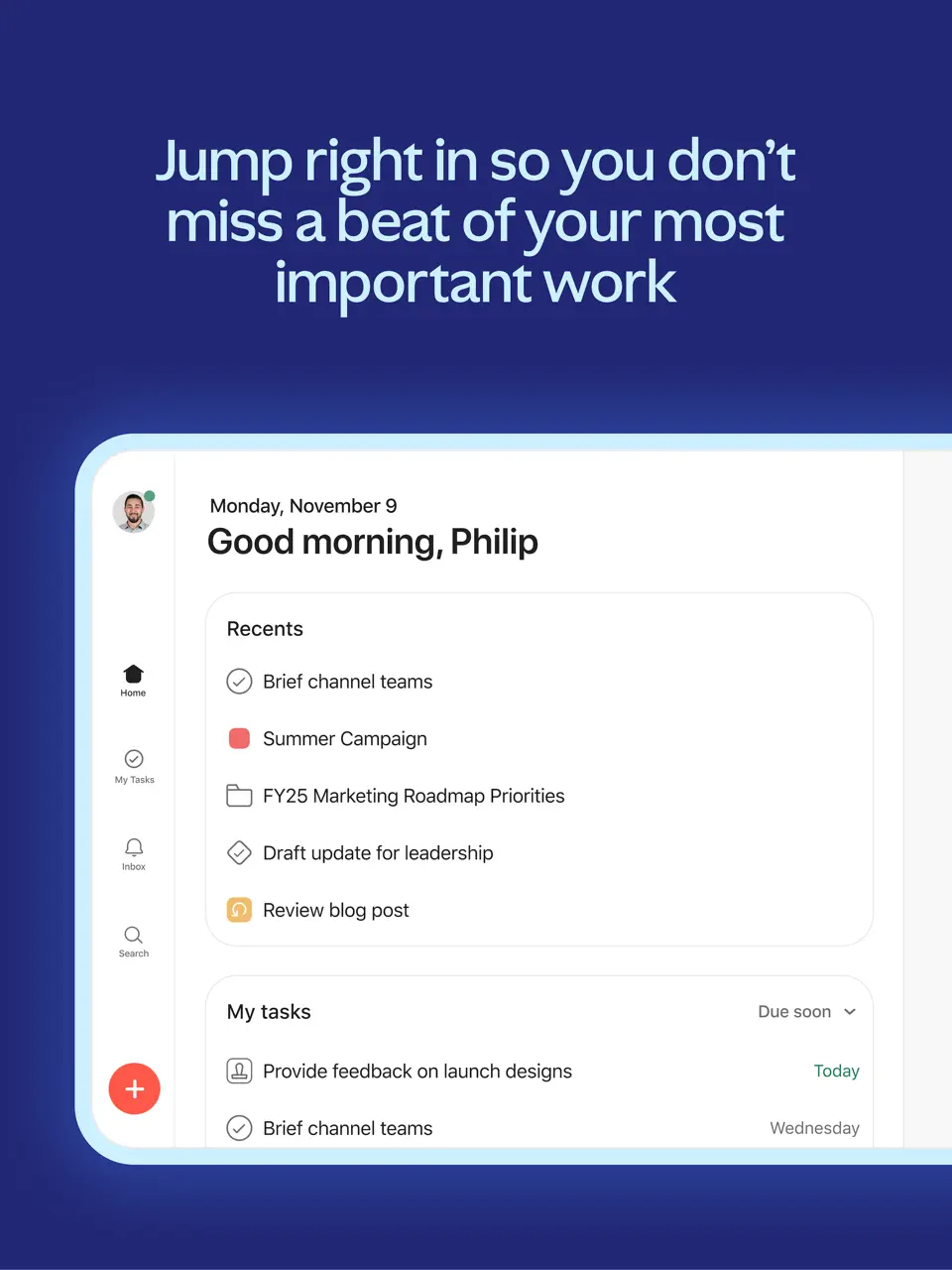
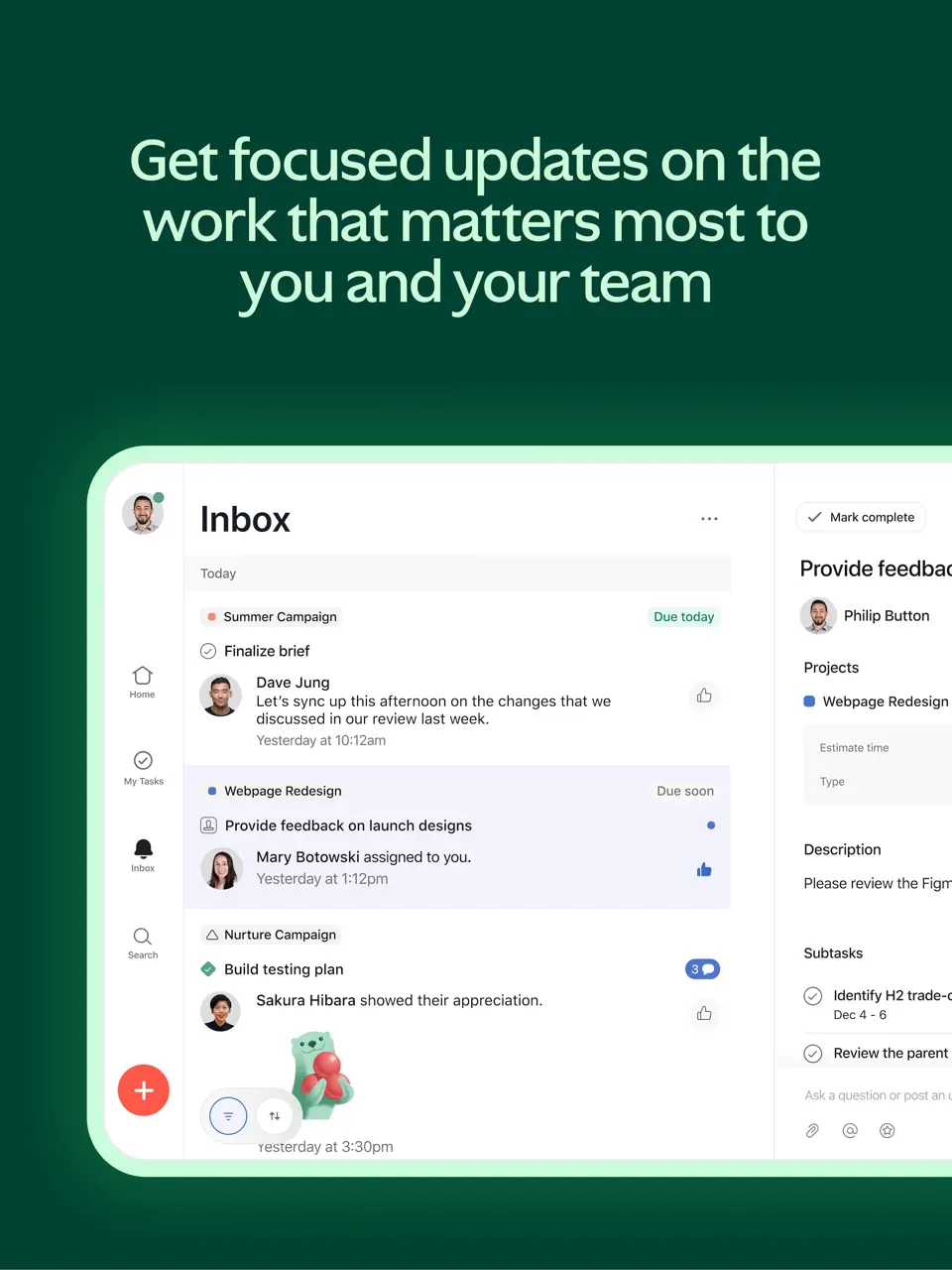
Asana is a powerful task and project management software popular for both personal and small-team use. It offers lists, boards, timelines, subtasks, dependencies, priorities, recurring tasks, reminders, and integrations (Slack, Google Calendar, Zapier). The free plan is generous for individuals; paid tiers add advanced reporting and automation. Asana excels at structured workflows and progress tracking: ideal for freelancers or anyone treating personal projects like mini-workflows. It provides clarity and visibility, though it can feel heavier than minimalist apps.
- Strong boards and timelines
- Dependencies and progress tracking
- Generous free plan
- Excellent integrations
- Collaboration features
- Can feel corporate/heavy for solo use
- Learning curve for beginners
- Some features behind paywall
Product details
| Type of app | Best for | Platforms | Developer | Pricing Model |
|---|---|---|---|---|
| Project & Task Management | Personal & small team projects | Multi | Asana | Freemium |
Monday.com
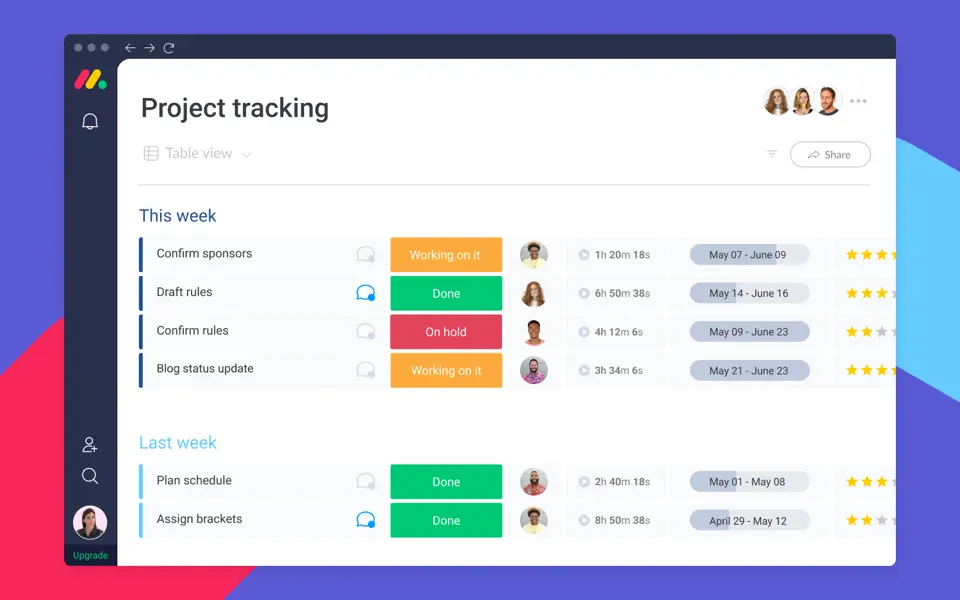
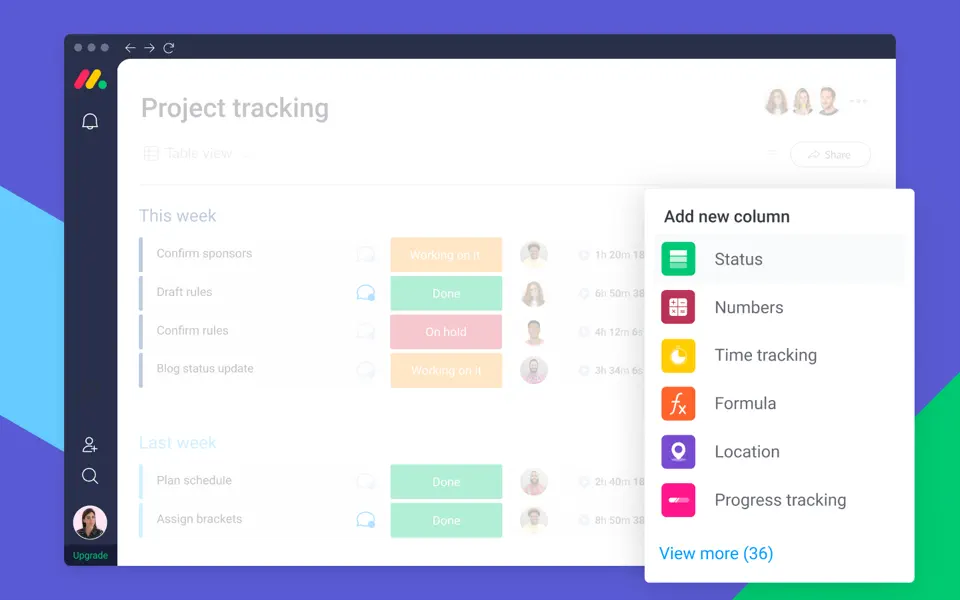
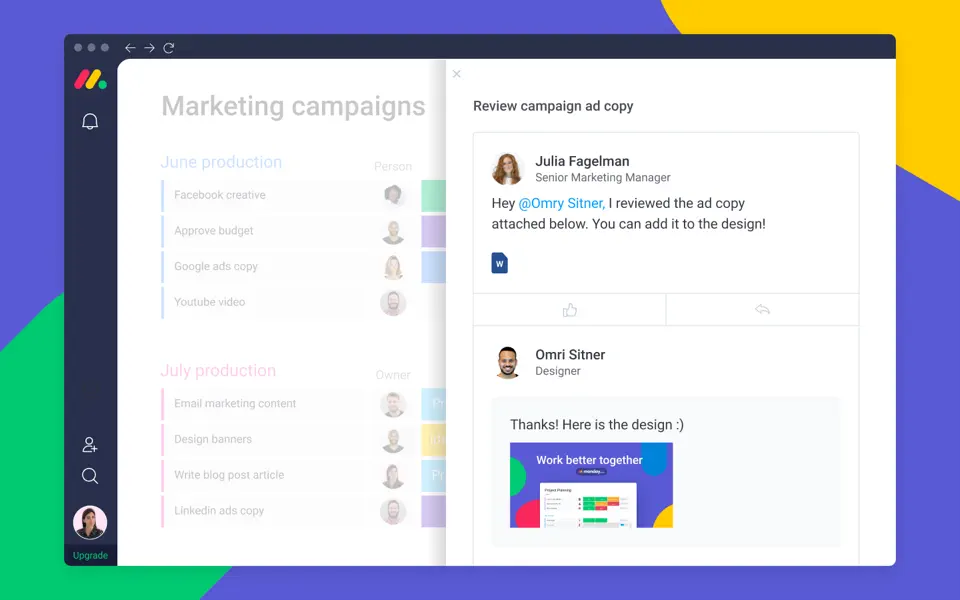
Monday.com is a visual task and project management tool known for its customizable dashboards, boards, timelines, automation workflows, and drag-and-drop interface. It supports subtasks, priorities, recurring items, reminders, and integrations (Zapier, Slack, Google Calendar). The free plan works for small use; paid tiers unlock advanced features. Monday.com is perfect for users who want a beautiful, flexible way to manage tasks and workflows: great for freelancers or creative personal projects. It reduces clutter with visual clarity and automation.
- Stunning visual dashboards
- Powerful automation workflows
- Flexible boards and timelines
- Good free tier
- Strong integrations
- Can feel overwhelming for simple needs
- Premium needed for full power
- More geared toward teams
Product details
| Type of app | Best for | Platforms | Developer | Pricing Model |
|---|---|---|---|---|
| Visual Task & Project | Dashboards & workflows | Multi | monday.com | Freemium |
Akiflow
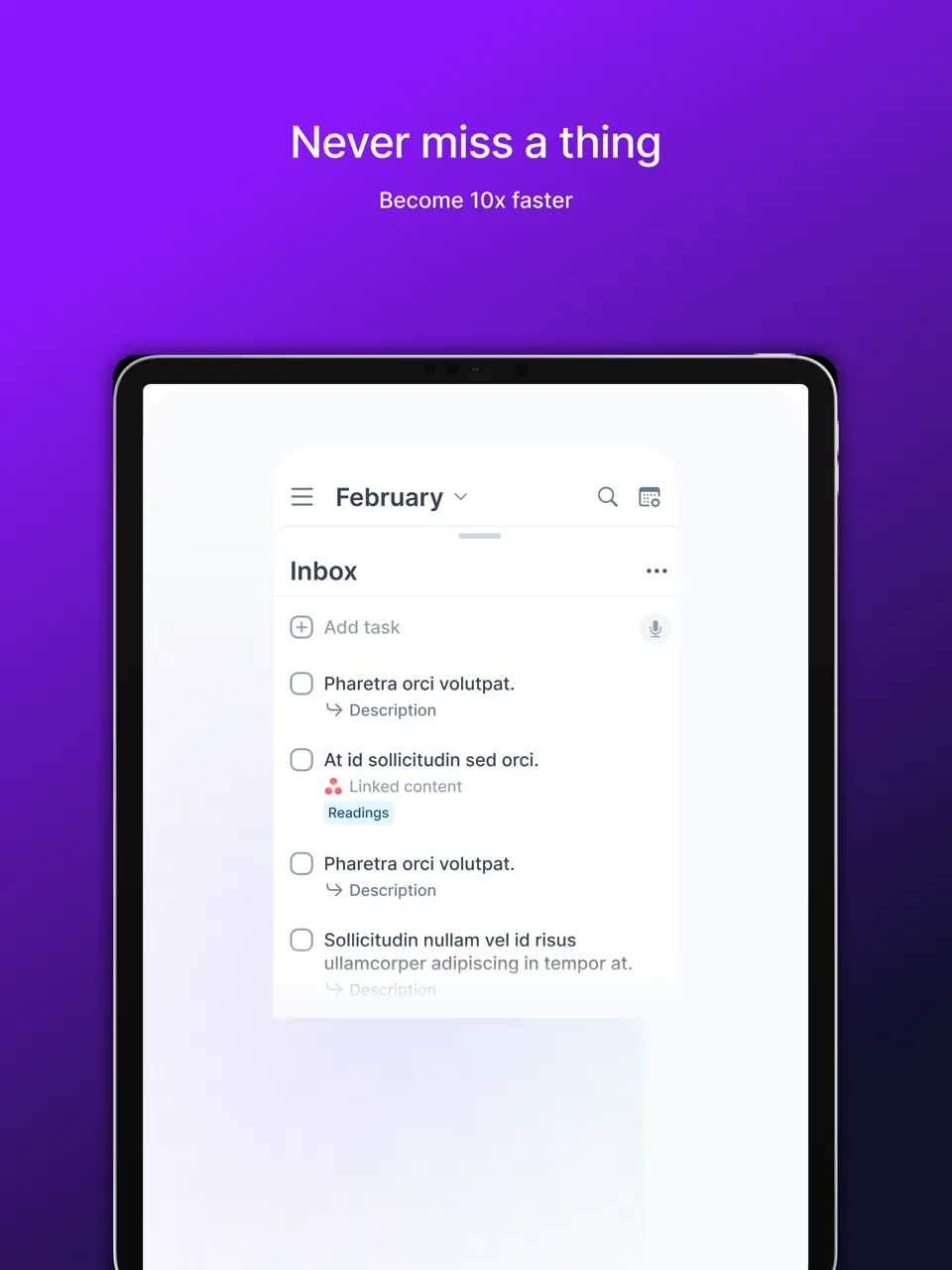
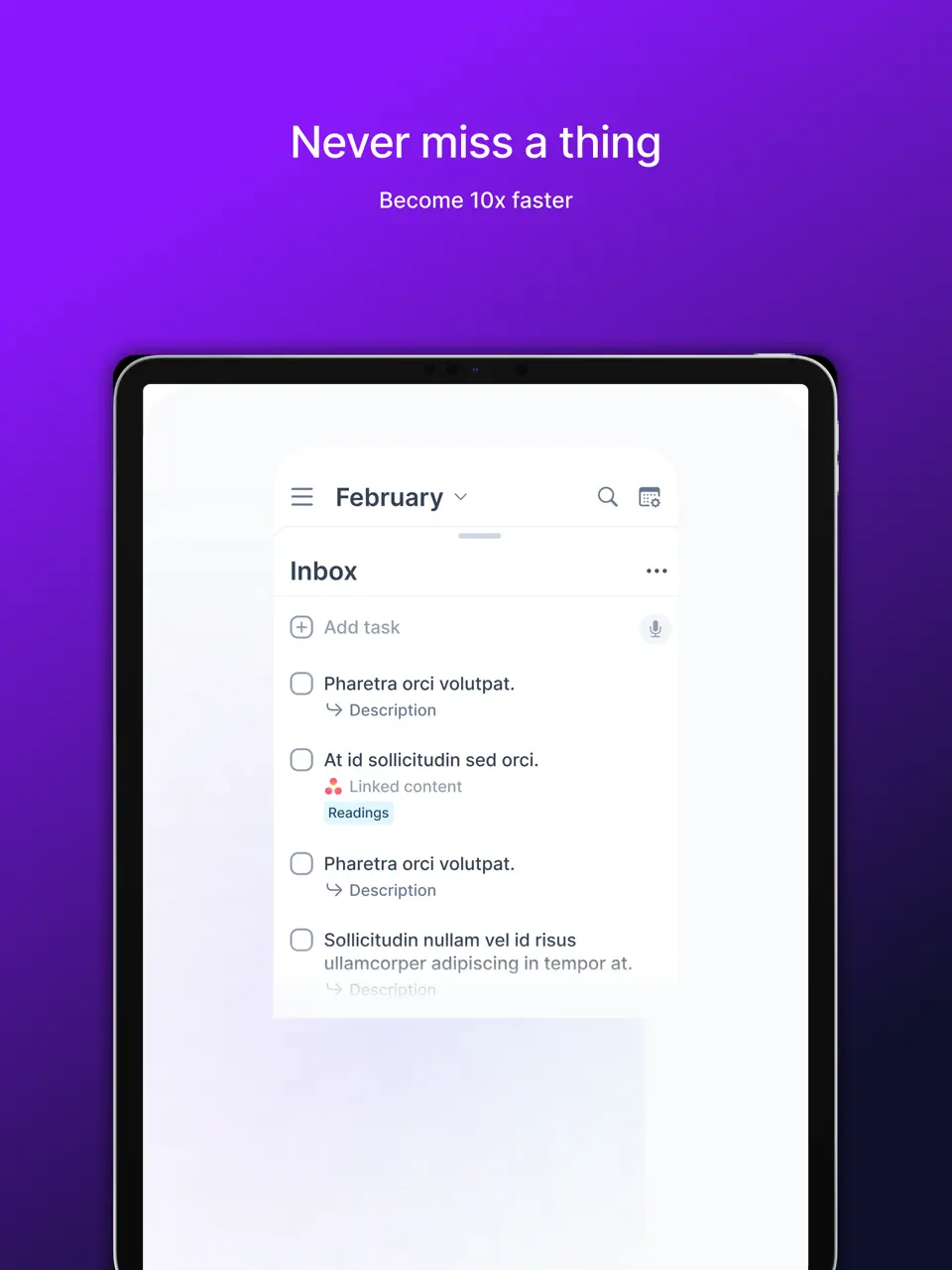
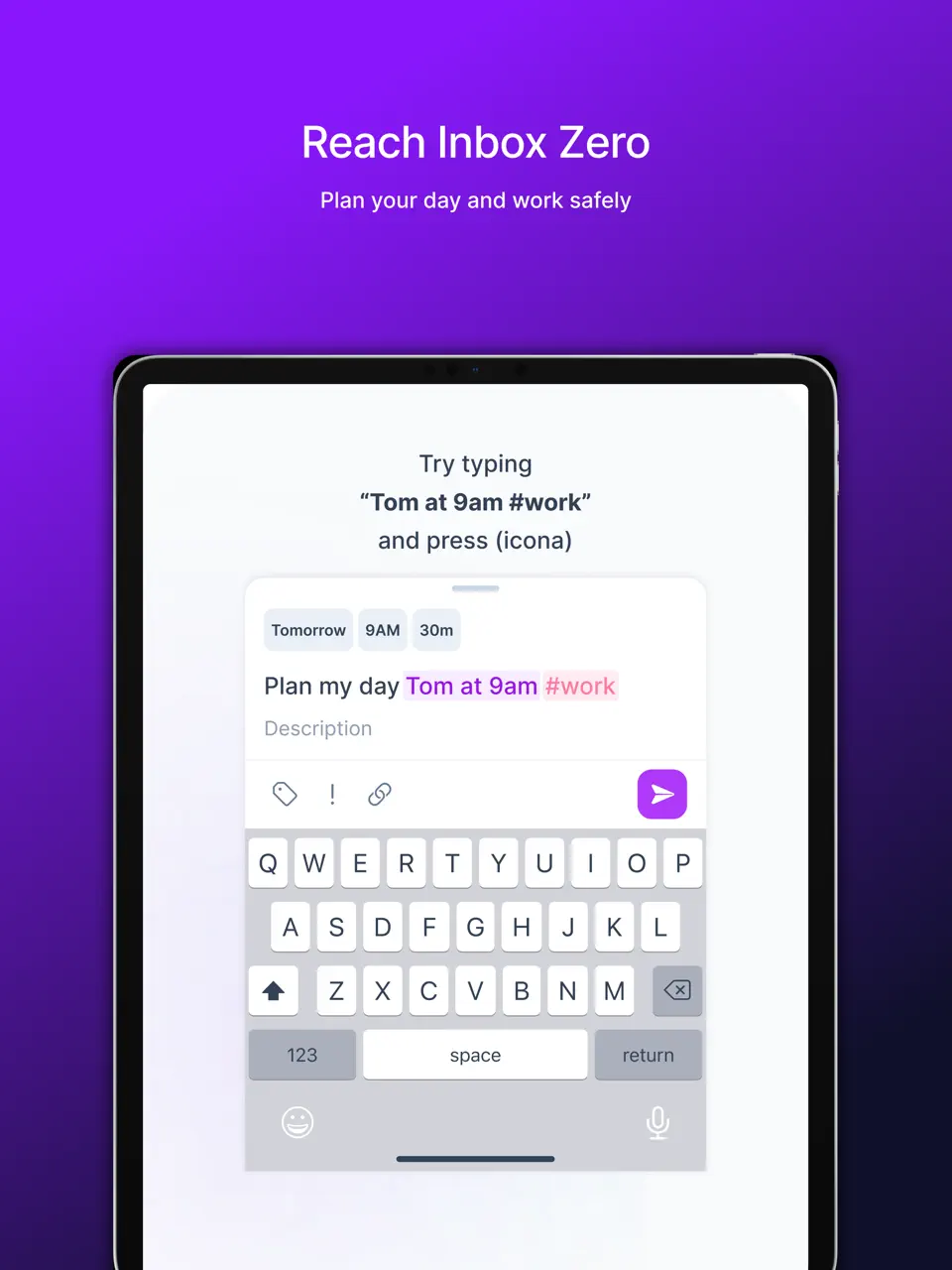
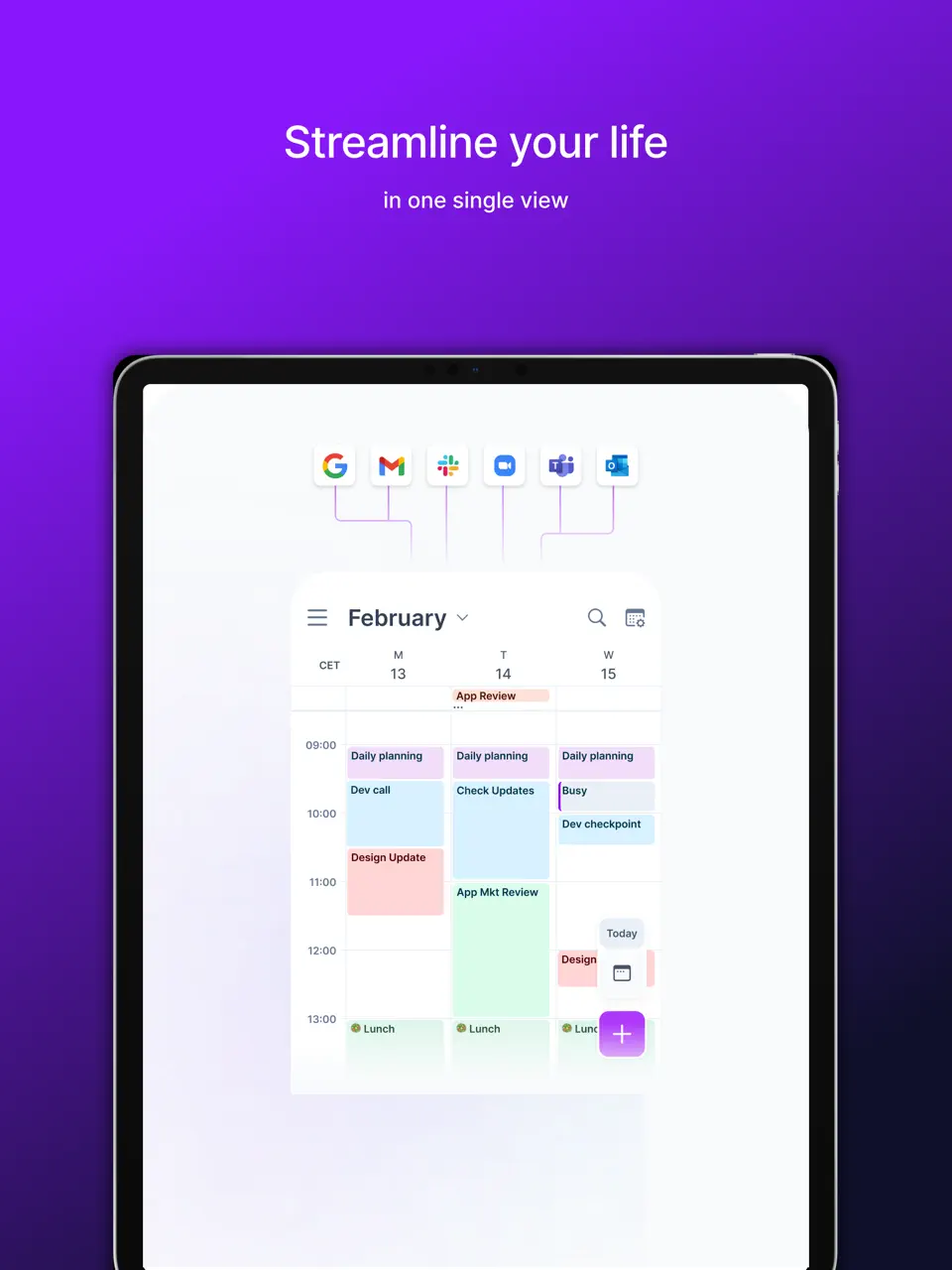
Akiflow is an AI-powered task management app that automatically prioritizes tasks, converts email into actions, and suggests time blocking. It supports subtasks, recurring items, reminders, calendar sync, and integrations. The app focuses on reducing decision fatigue with smart suggestions and clean interface. It is paid (~$15/month) but praised for efficiency. Akiflow is ideal for busy professionals who want automation and clarity without manual sorting — especially useful for inbox zero and time management.
- AI auto-prioritization
- Email-to-task conversion
- Smart time blocking
- Clean interface
- Strong integrations
- Fully paid (no free tier)
- No gamification or visual flair
- Niche for AI-focused users
Product details
| Type of app | Best for | Platforms | Developer | Pricing Model |
|---|---|---|---|---|
| AI Task Manager | Email & auto-prioritization | Multi | Akiflow | Paid (~$15/month) |
Habitica
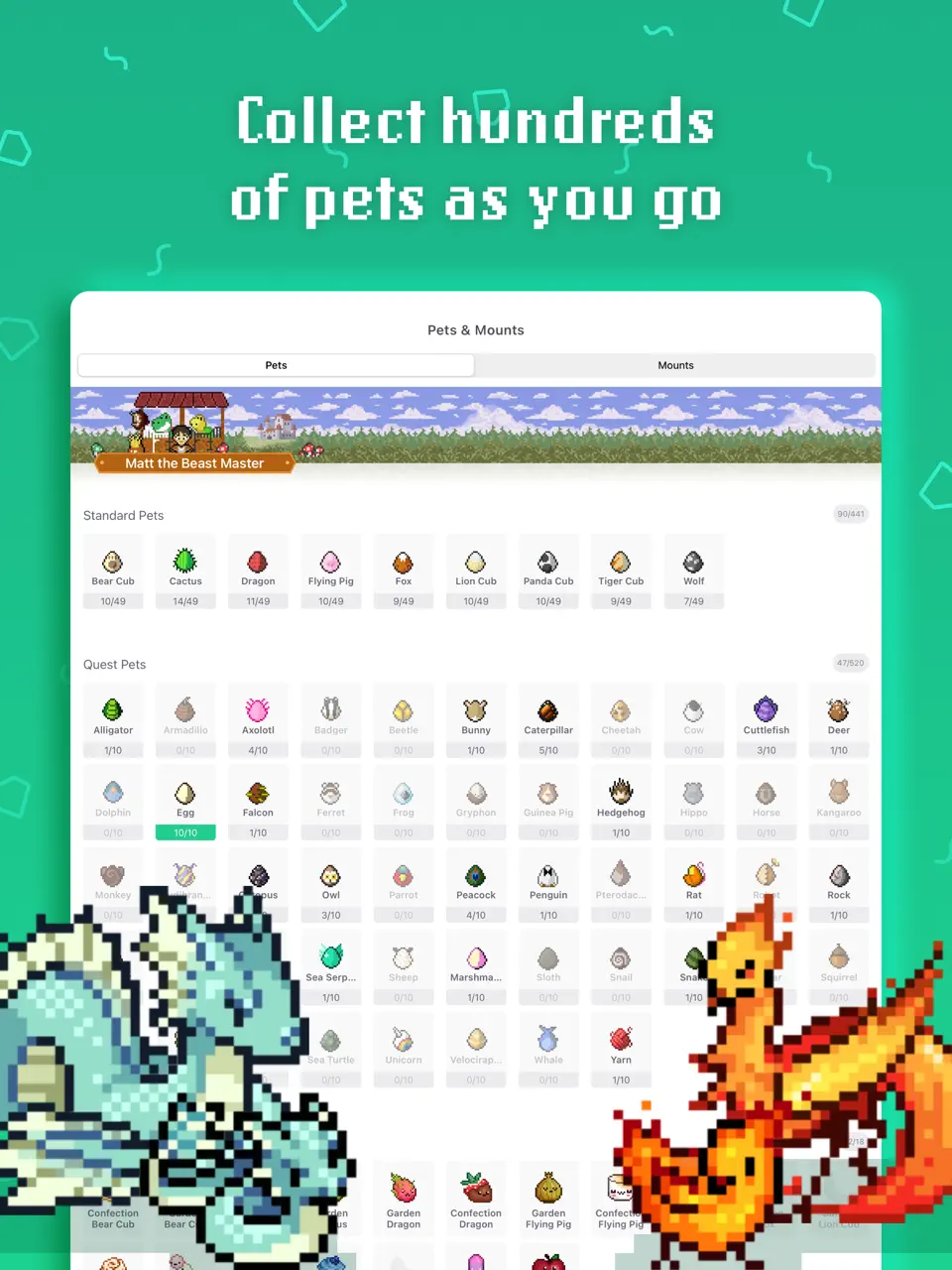
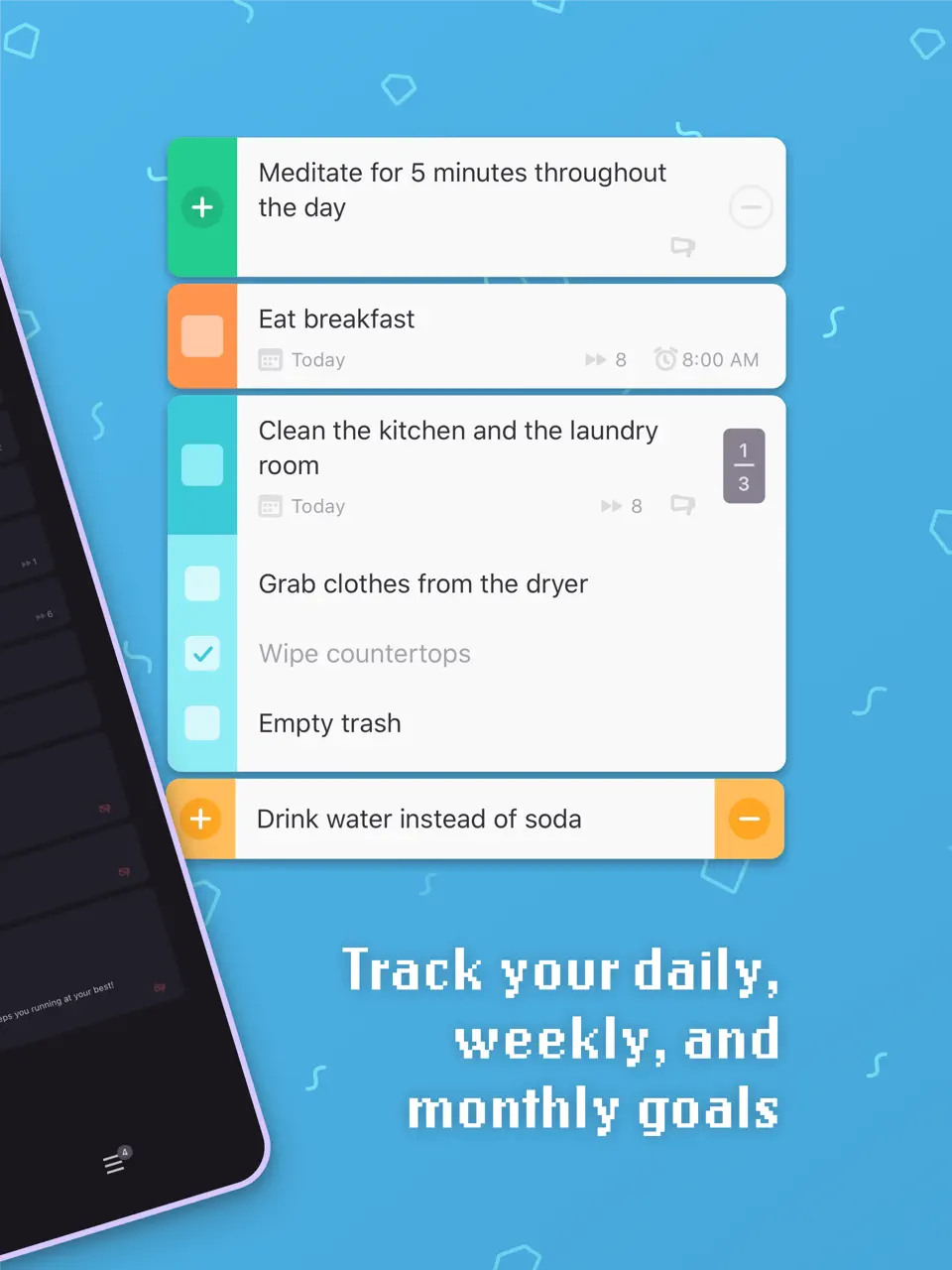
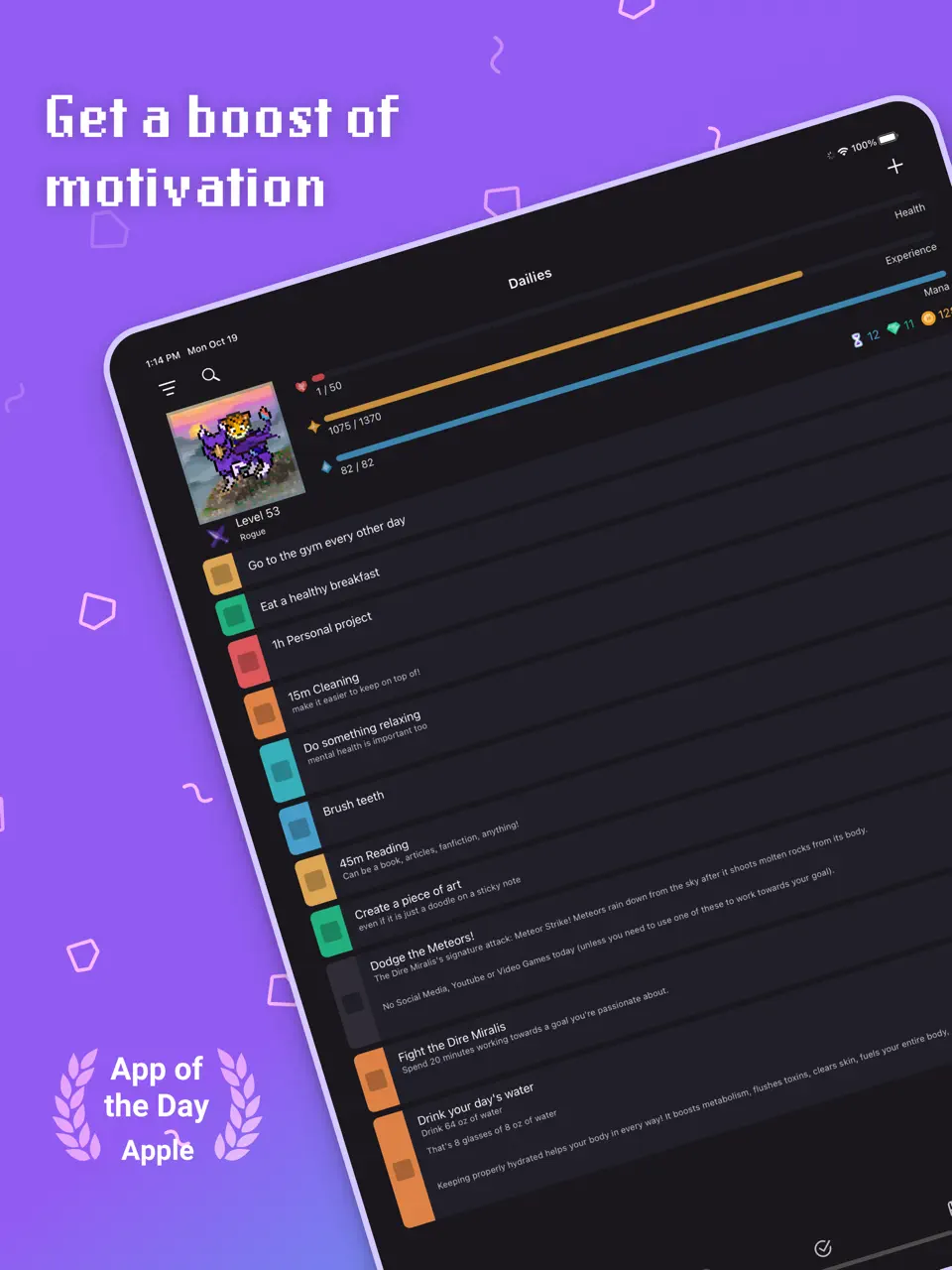
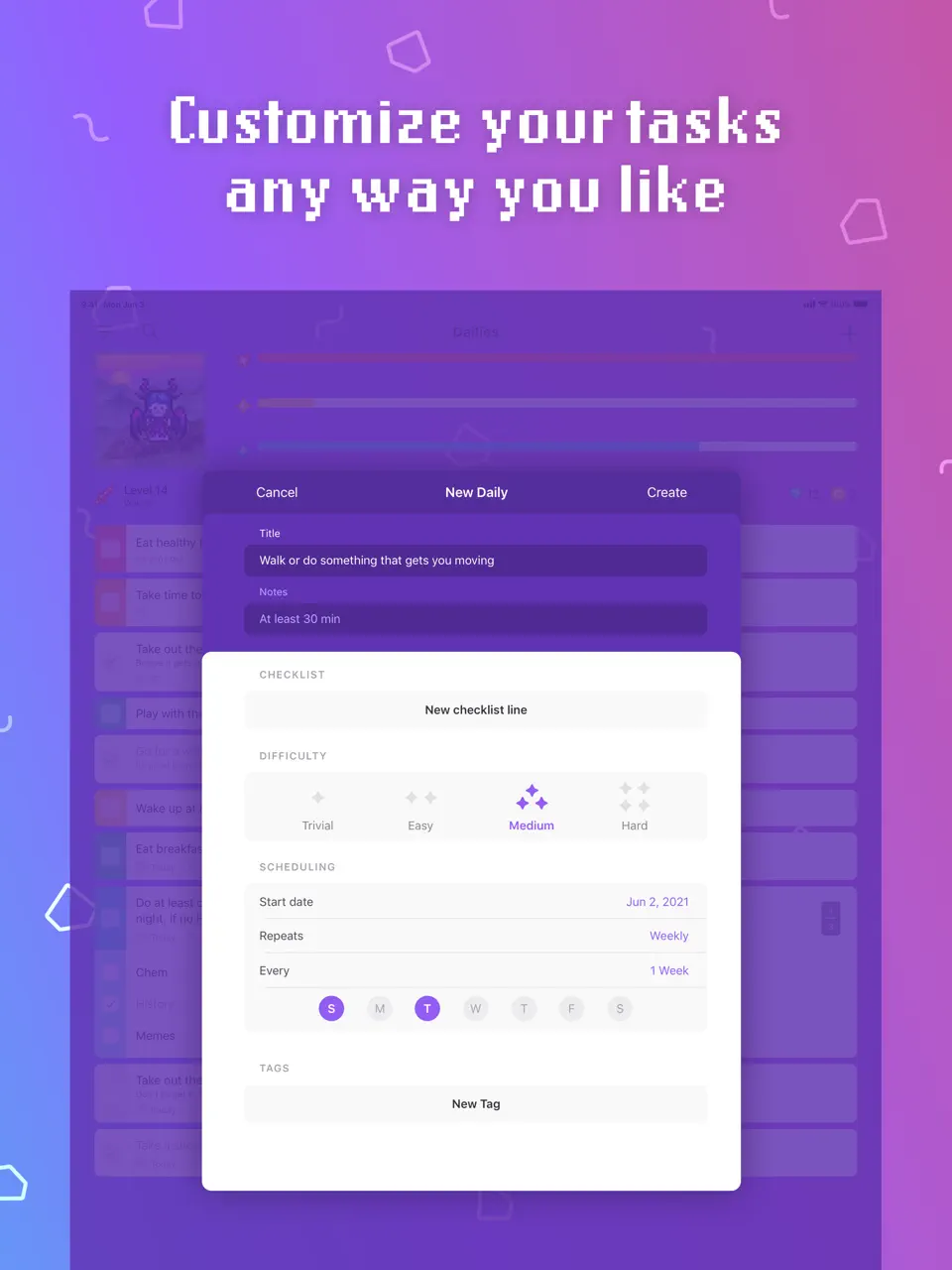
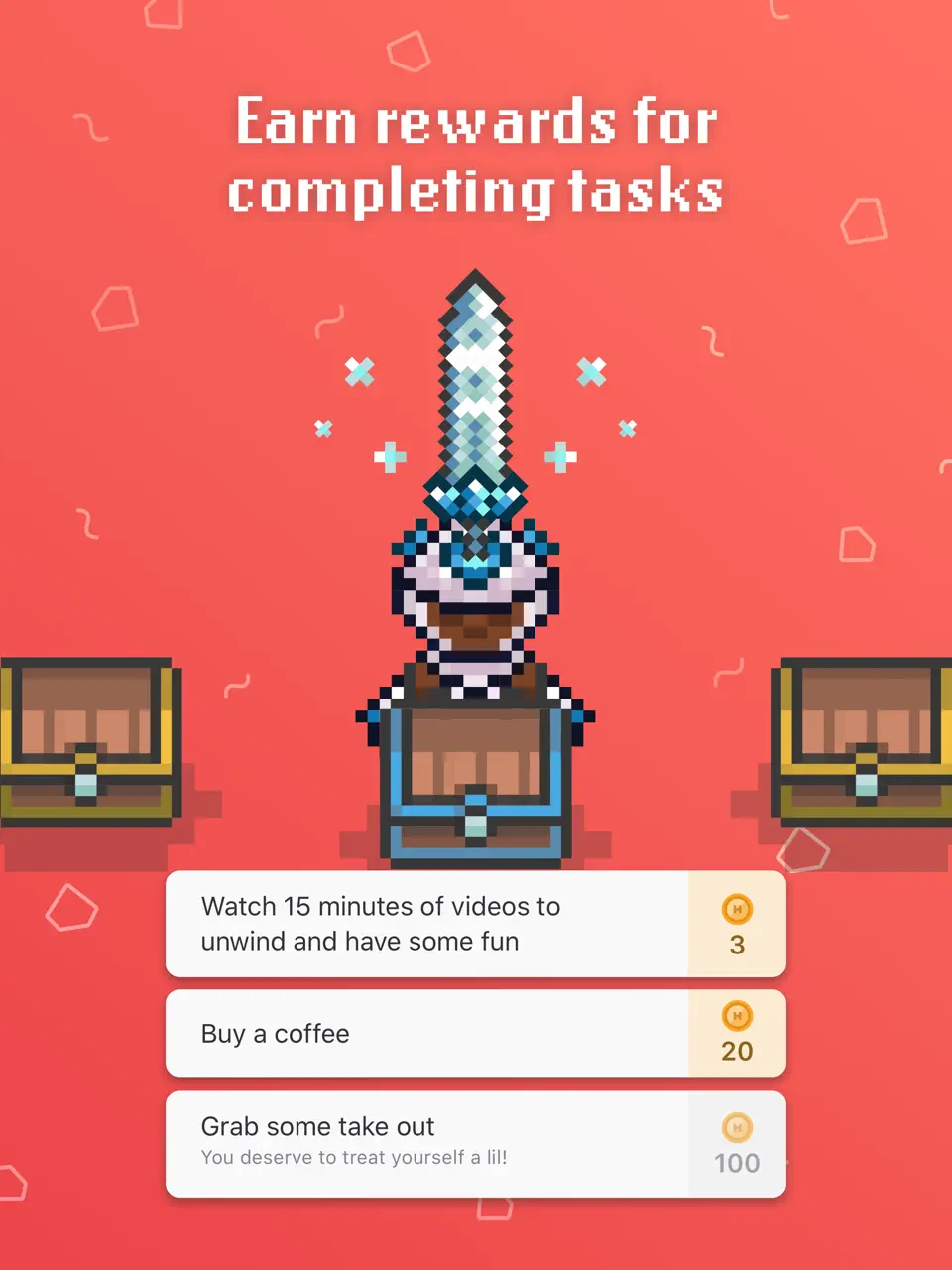
Habitica turns task and habit management into an RPG game. Complete real-life tasks to earn gold, level up your character, buy equipment, and fight bosses with friends. It supports recurring habits, to-dos, dailies, rewards, and social guilds. The core is free; subscriptions remove ads and add extras. Habitica is perfect for users who need motivation through gamification and social accountability.
- Fun RPG motivation
- Social guilds and parties
- Rewards and pet system
- Free core features
- Works for habits + tasks
- No calendar or time blocking
- Can be distracting
- Dated interface
Product details
| Type of app | Best for | Platforms | Developer | Pricing Model |
|---|---|---|---|---|
| Gamified Habit Tracker | RPG-style habits | Multi | HabitRPG | Freemium (~$5/month) |
Tiimo
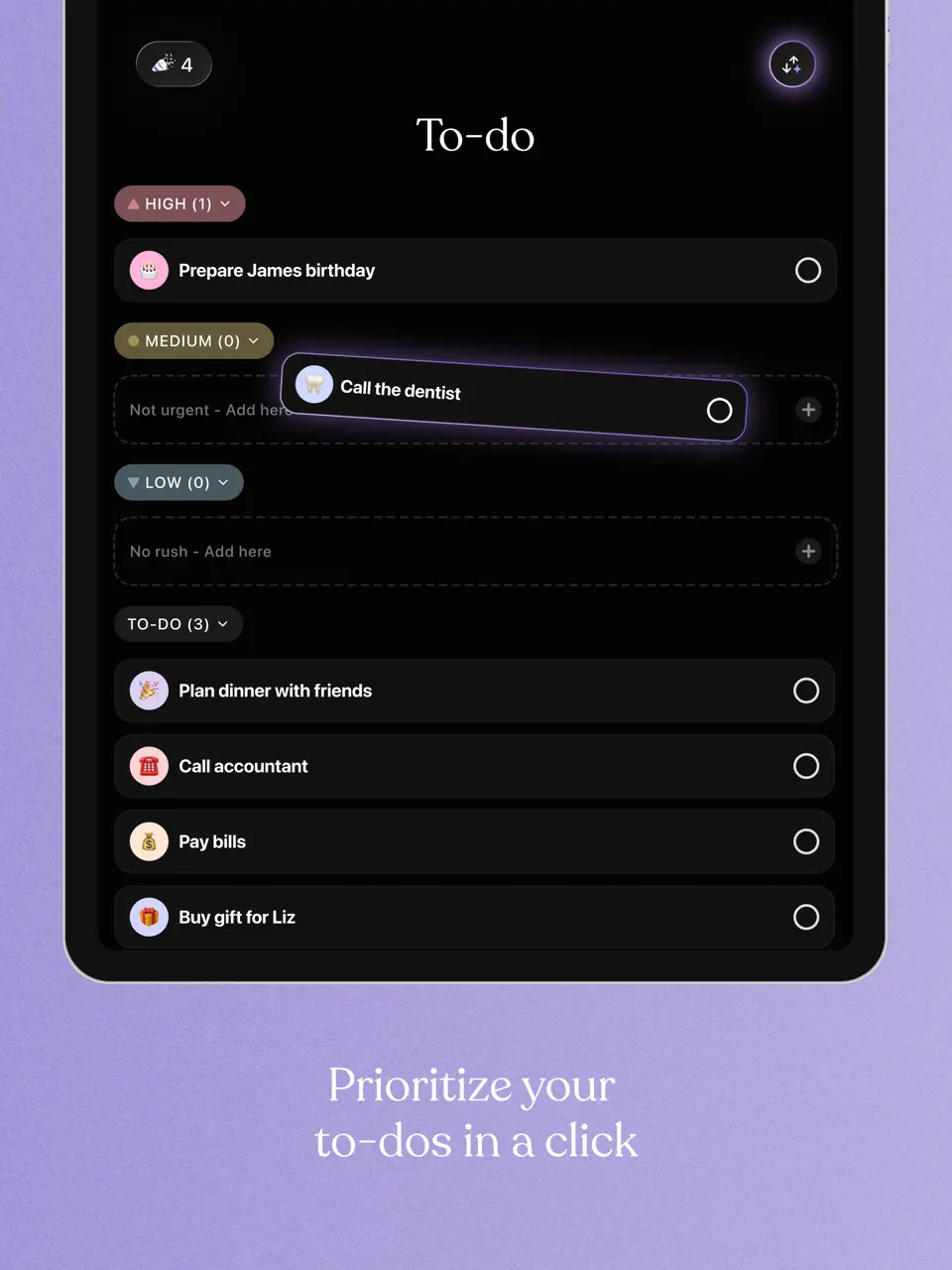
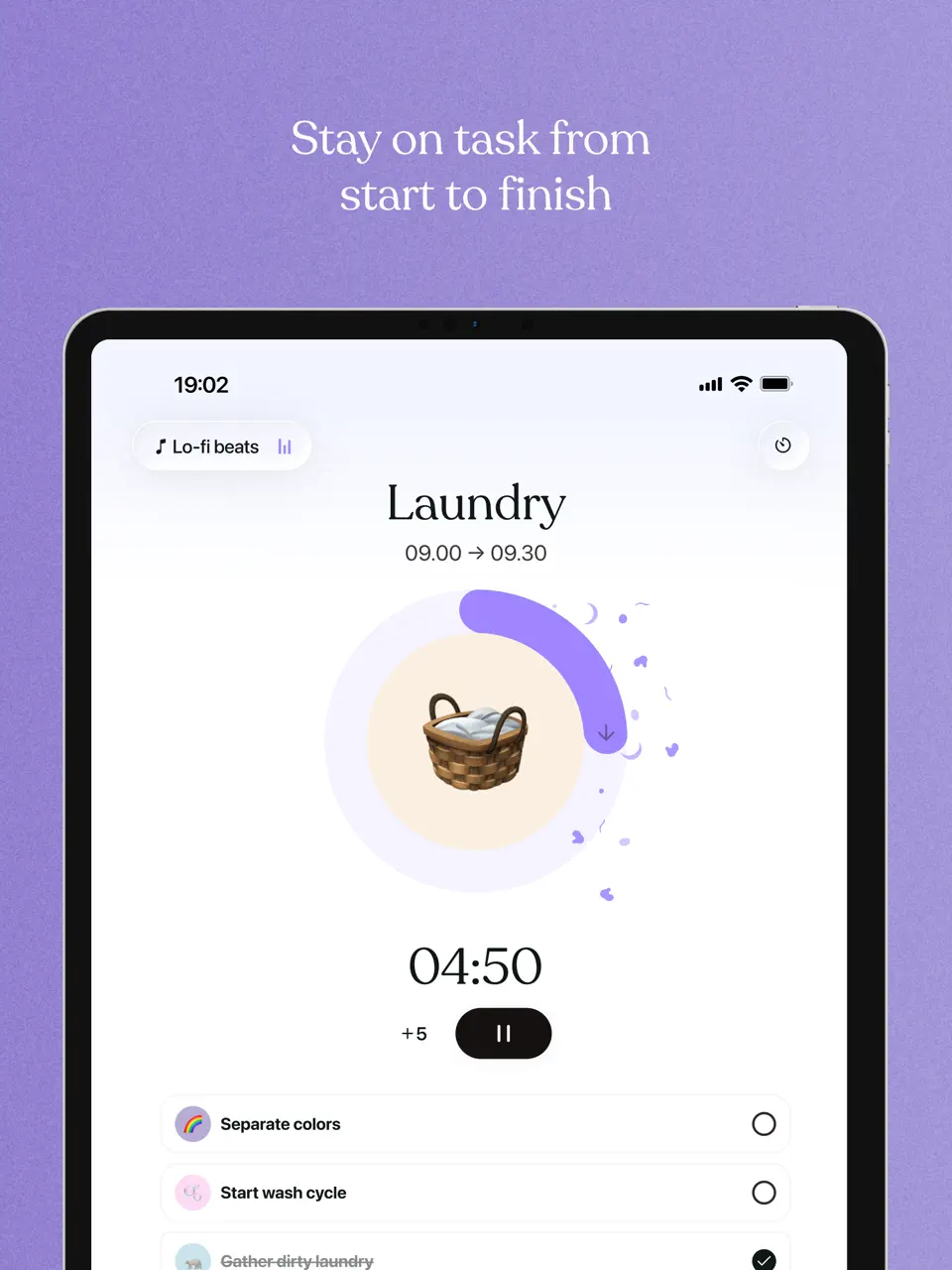
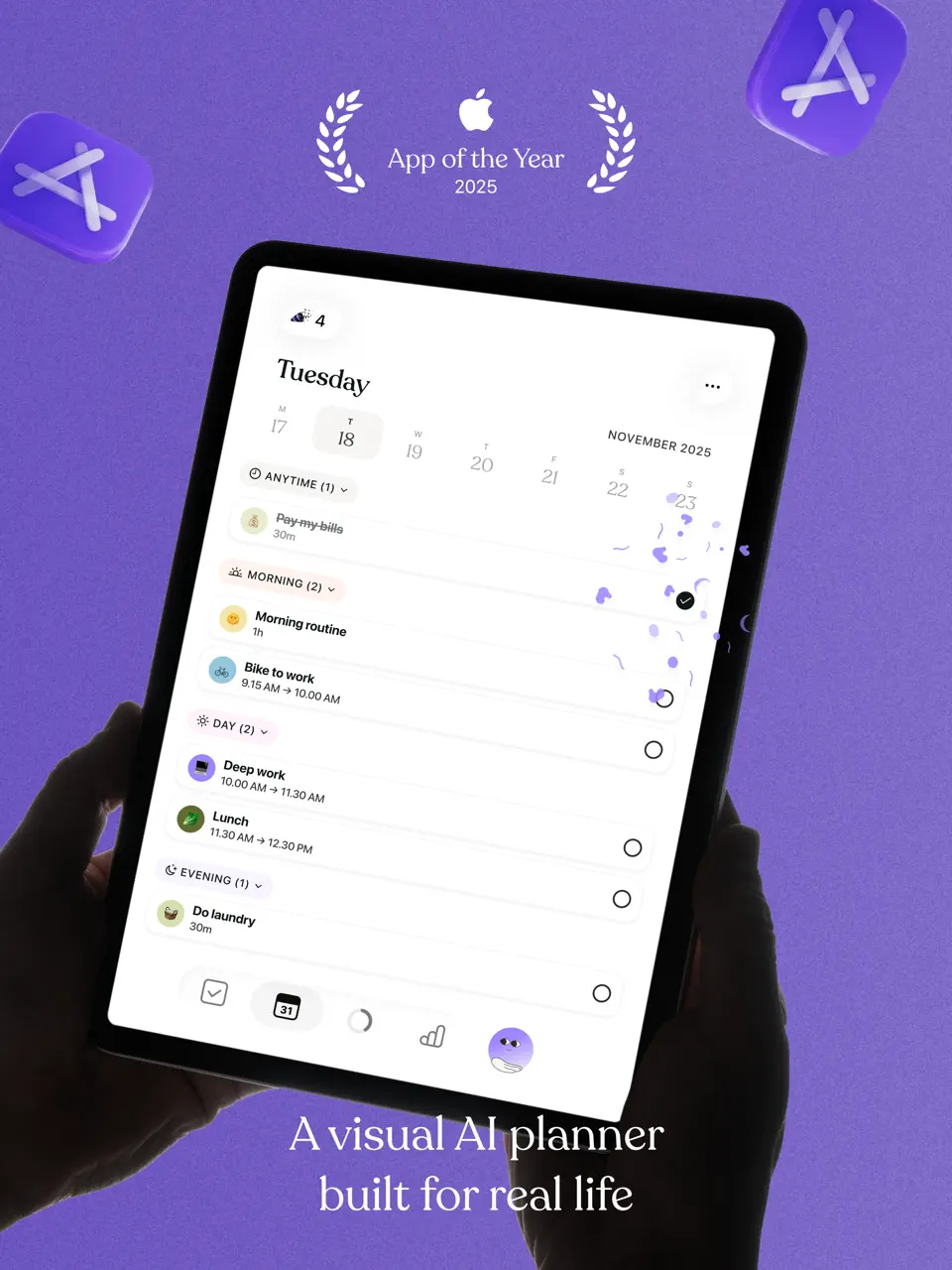
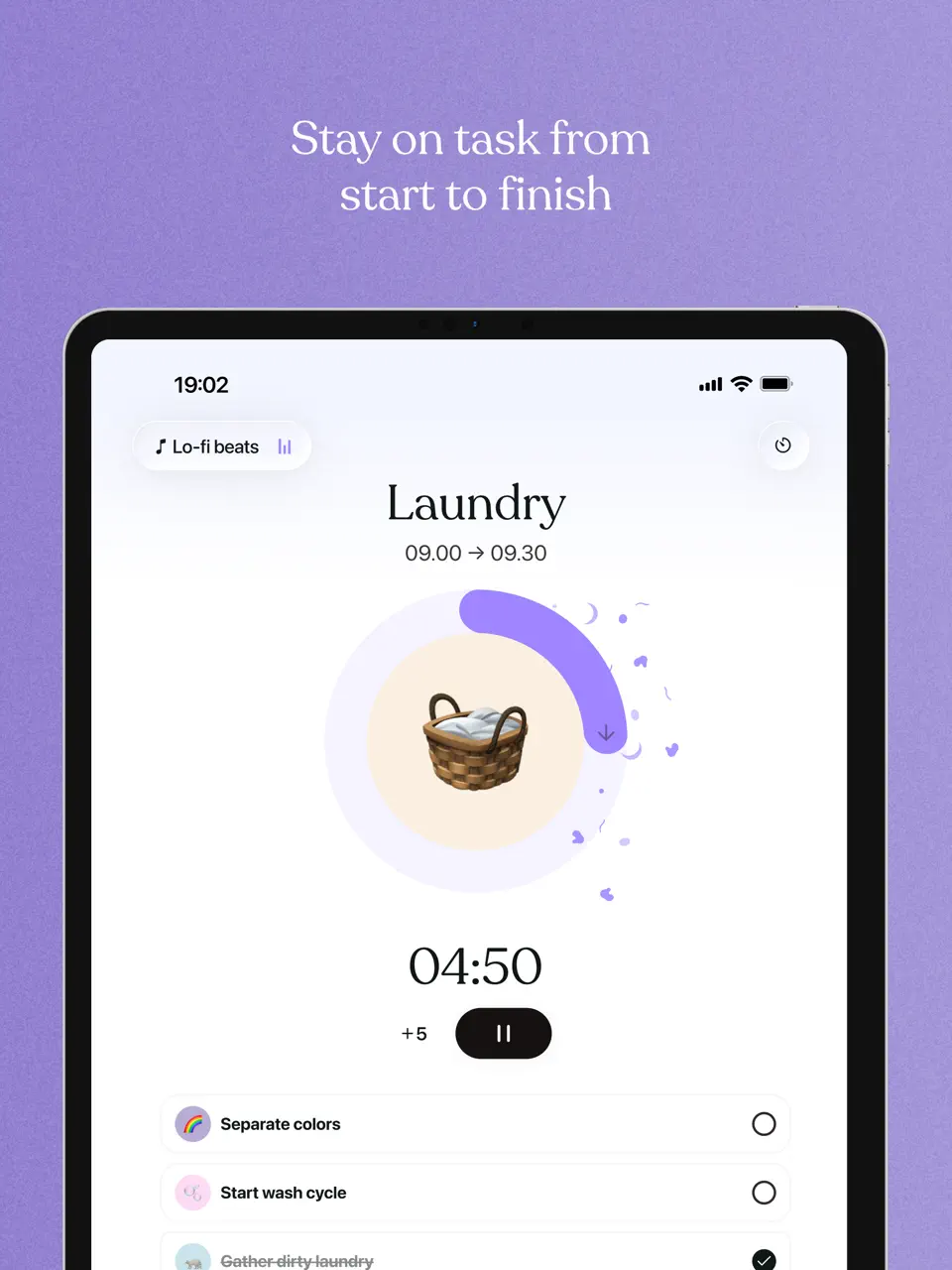
Tiimo is a visual task and routine planner designed for people with ADHD or executive function challenges. It uses icons, picture schedules, color-coded timelines, gentle reminders, flexible timers, and caregiver sharing. The app supports energy tracking and routine templates. It won Apple’s iPhone App of the Year for accessibility. Tiimo makes abstract time concrete: ideal for reducing overwhelm.
- Extremely ADHD-friendly visuals
- Picture-based schedules
- Gentle reminders
- Caregiver sharing
- Energy/spoon tracking
- Paid
- No handwriting or stickers
- Niche focus
Product details
| Type of app | Best for | Platforms | Developer | Pricing Model |
|---|---|---|---|---|
| Visual ADHD Planner | Routines & visual timers | iOS/Android | Tiimo | Paid (~$30/year) |
Conclusion
Which Task Management App Should You Choose?
If you want one flexible, visually appealing app that handles tasks, habits, calendar views, customizable templates, reminders, and cross-device sync without expensive monthly pricing tiers, the Ultimate Planner often emerges as the best balanced choice for personal use. It gives you unlimited creative freedom and practical tools at a very reasonable cost.
For absolute simplicity and zero cost: Microsoft To Do, Google Calendar, and Google Keep remain unbeatable. They cover quick lists, events, and inbox zero with no learning curve or hidden fees.
Habit-focused users will find TickTick (with Pomodoro and streaks) or Habitica (gamified rewards) most motivating for long-term consistency.
Those needing visual or ADHD-friendly structure should consider Tiimo or Routinery: both reduce overwhelm with timers, icons, and guided routines.
Power users who love deep customization usually pick Notion. It can replace multiple productivity tools if you’re willing to build your own system.
For structured projects or workflows: Asana or Monday.com provide boards, timelines, dependencies, and automation workflows that keep everything aligned.
AI-driven efficiency seekers will appreciate Akiflow for smart prioritization and email integration.
GoodNotes and Notability are still top-tier if handwriting remains central to your workflow, but they lack deep task and calendar features.
The best task management app is always the one you consistently open and use. Start with your biggest pain point - scattered tasks, forgotten deadlines, lack of motivation, or too much clutter - and test 2–3 options. Most have free tiers or trials, so there’s no risk.
F.A.Q.
TickTick offers the strongest built-in calendar + task view. Google Calendar is unbeatable for pure scheduling and free sharing. Todoist, Asana, Monday.com, and Ultimate Planner also provide excellent calendar sync and time blocking features. Choose based on whether you need deep task-calendar fusion or simple event planning.
TickTick has native Pomodoro timer built-in with focus sessions and breaks. Habitica adds light gamification to productivity sessions. Many users combine Todoist or Ultimate Planner with external Pomodoro timers for flexibility.
For beginners, Microsoft To Do and Any.Do are the easies: clean interface, no learning curve, fast task entry, and free. Google Keep is even simpler for quick lists. If you want something more powerful but still intuitive, start with Todoist or Ultimate Planner (beautiful and beginner-friendly customization).
Notion, Asana, Monday.com, and TickTick offer strong automation workflows: templates, rules, and Zapier integration. Akiflow automatically prioritizes tasks from email. Most apps support basic automation (recurring tasks, reminders), but advanced workflows usually require paid tiers.
For personal use, Ultimate Planner offers the best balance: templates, habits, calendar, reminders, and cross-platform sync at a low cost. TickTick and Todoist are excellent for tasks and habits. Notion fits if you love customization. Free options: Microsoft To Do or Google Calendar.
TickTick has a built-in Eisenhower Matrix view. Todoist and Notion let you create custom Eisenhower setups with labels and filters. Ultimate Planner supports priority tagging and can be tailored to apply the Eisenhower rule easily through custom templates.
Notion and Evernote provide strong encryption and private workspaces (enterprise-grade security). GoodNotes and Notability are local-first with strong privacy. Free Google/Microsoft apps offer decent security but less control. Most modern productivity tools prioritize security privacy in 2026.